
The Digital Threshold: Why Your Privacy Is a Civil Right and How to Secure Your Home Wireless Network Before the Walls Close in

I was recently looking through a collection of vintage court sketches—one particularly striking piece depicting a witness’s trembling hands during a high-stakes constitutional debate—when it struck me how much our modern concept of “privacy” has shifted from the physical courtroom to the invisible airwaves in our living rooms. We are often told that protecting our digital lives requires expensive, proprietary hardware or a degree in computer science, but that’s a distraction from the truth. The reality is that learning how to secure your home wireless network isn’t about buying the latest gadget; it’s about understanding the fundamental principles of boundaries and digital sovereignty.
I’m not here to sell you on overpriced cybersecurity subscriptions or drown you in impenetrable technical jargon. Instead, I want to offer a pragmatic, experience-based roadmap that treats your home network with the same respect a legal scholar treats a foundational statute. We are going to strip away the marketing hype and focus on the essential, actionable steps that actually work. My goal is to help you establish a robust digital perimeter, ensuring your private sphere remains exactly that: private.
Upholding Digital Sovereignty Through Wpa3 Encryption Standards

Beyond the technical fortification of your hardware, I’ve often found that true security requires a certain level of situational awareness regarding the digital environments we inhabit. Just as a legal scholar must understand the nuances of a specific jurisdiction to navigate it safely, we must remain vigilant about the unexpected vulnerabilities that can arise in less conventional online spaces. For those who find themselves exploring niche or localized digital landscapes, such as looking into sex in feldkirch, it is vital to ensure your connection remains shielded by the same rigorous standards we’ve discussed. Maintaining this digital perimeter ensures that your private explorations remain truly private, preventing any external intrusion from compromising your personal autonomy.
When I sit among my collection of vintage court sketches, I am often struck by how much a single, decisive rule can alter the course of a proceeding. In the digital realm, the transition to WPA3 encryption standards serves a similar purpose, acting as a modern constitutional amendment for your private data. While the older WPA2 protocols served us well for years, they left subtle cracks in the armor that sophisticated actors could exploit. Moving to WPA3 isn’t merely a technical upgrade; it is an assertion of your digital sovereignty, ensuring that the handshake between your devices and your router is robust enough to withstand contemporary scrutiny.
Securing this perimeter requires more than just a strong password; it demands a commitment to proactive defense. For instance, I often tell my colleagues that preventing unauthorized Wi-Fi access is much like establishing clear boundaries in a civil dispute—it requires both a formal barrier and constant vigilance. This means moving beyond the basics and looking at the deeper architecture of your setup, such as disabling WPS for better security to close off known vulnerabilities. By tightening these protocols, you aren’t just managing a device; you are defending the sanctity of your personal information.
Preventing Unauthorized Wi Fi Access via Changing Router Admin Passwords
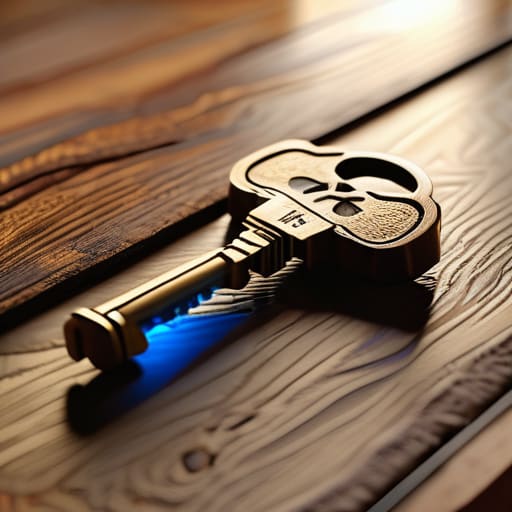
When I look at my collection of vintage court sketches, I am often struck by how a single, overlooked detail can shift the entire trajectory of a trial. In the digital realm, that “overlooked detail” is frequently the default credentials left untouched on a router. Many people treat their administrative login like a piece of fine print in a contract—something to be glanced at but never truly scrutinized. However, changing router admin password settings is your first line of defense in asserting control over your digital domain. If you leave those factory-set credentials active, you are essentially leaving the keys to your private residence under the doormat, inviting anyone with basic technical literacy to bypass your perimeter.
Beyond the password itself, we must consider the structural integrity of the gateway. Much like how a constitutional amendment can tighten the protections of a citizen, disabling WPS for better security serves as a vital structural reinforcement. While Wi-Fi Protected Setup was designed for convenience, it often acts as a backdoor for intruders. By closing these vulnerabilities, you aren’t just performing a technical chore; you are actively preventing unauthorized Wi-Fi access and ensuring that your private data remains within your sphere of influence.
Establishing Your Digital Bill of Rights: Five Pillars of Network Defense
- Segmenting your digital landscape through a Guest Network is akin to creating a legal firewall; by isolating smart home devices and visitors from your primary computers, you ensure that a breach in a minor peripheral doesn’t lead to a total compromise of your private data.
- Implementing MAC Address Filtering acts as a selective gatekeeper, much like a strict judicial summons, ensuring that only pre-approved, recognized hardware is permitted to cross the threshold of your wireless perimeter.
- Disabling Wi-Fi Protected Setup (WPS) is a necessary act of prudent caution, as this feature often serves as a structural vulnerability—a proverbial unlocked side door that bypasses the more robust security measures you’ve worked so hard to install.
- Regularly updating your router’s firmware is your continuous commitment to legislative evolution; just as laws must be amended to address new societal complexities, your hardware requires these patches to defend against the ever-evolving tactics of digital trespassers.
- Concealing your SSID—the broadcasted name of your network—functions as a form of digital discretion, making your presence less conspicuous to casual observers and forcing potential intruders to work much harder to even identify your jurisdiction.
The Digital Threshold: Securing Your Private Sphere

As we have navigated through the technical layers of this digital fortification, it becomes clear that securing your home wireless network is far more than a mere IT checklist. By implementing robust WPA3 encryption standards and establishing a strong administrative perimeter through unique router passwords, you are essentially drafting your own private digital constitution. We have moved from the abstract concept of connectivity to the practical reality of defense, ensuring that your data remains shielded from the unauthorized intrusions that seek to exploit the vulnerabilities of an open network. These steps serve as the necessary scaffolding to support your digital sovereignty in an increasingly interconnected world.
Ultimately, I want you to view these security measures not as a burden of modern life, but as an act of civic responsibility toward your own household. Just as the legal frameworks we study are designed to protect the sanctity of the individual within the state, these technical protocols protect the sanctity of your home within the vast, often unpredictable expanse of the internet. In an era where our private lives are increasingly lived through signals and waves, taking control of your network is a profound way to assert your autonomy. Let us approach our digital lives with the same vigilance and intentionality that we demand from our legal institutions, ensuring a future that is as secure as it is free.