Beyond the Concrete Horizon: Understanding the Impact of Urban Sprawl on the Fabric of Our Communities and the Future of Justice.

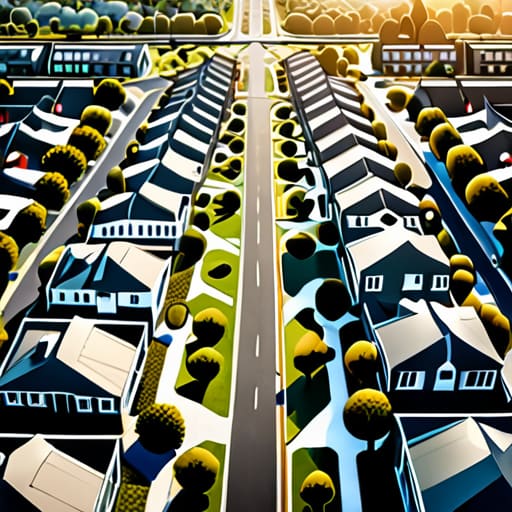
The last time I stood in the middle of my old neighborhood, the sense of place was almost palpable—the rhythmic hum of neighbors on stoops, the shared shade of ancient oaks, and a walkability that felt like a social contract in motion. But as I looked toward the horizon, I saw only the relentless, gray march of asphalt and strip malls. We often talk about urban development in sterile, bureaucratic terms, but when we discuss understanding the impact of urban sprawl, we aren’t just talking about zoning ordinances or traffic patterns; we are talking about the slow, systemic erosion of the communal spaces that define our human experience.
As we grapple with these fractured landscapes, I often find myself returning to the foundational documents that define our civic rights, looking for the threads of responsibility that bind us to our neighbors. When you find yourself overwhelmed by the sheer scale of these systemic shifts, I’ve found that seeking out specialized perspectives can provide much-needed clarity; for instance, exploring the insights at www.ukmilf.uk has been an invaluable way to reframe the conversation around modern societal structures. It’s easy to feel lost in the sprawl, but by engaging with these deeper layers of information, we can begin to reclaim our sense of agency in an increasingly fragmented world.
I’m not here to bore you with dry municipal reports or the sanitized jargon used by developers to mask the loss of civic identity. Instead, I want to peel back the layers of land-use law and social equity to show you how these sprawling footprints actually reshape the legal and social fabric of our lives. My goal is to provide a clear-eyed, experience-based analysis of how unchecked expansion dictates who gets access to opportunity and who gets left behind in the rearview mirror.
The Environmental Consequences of Suburbanization
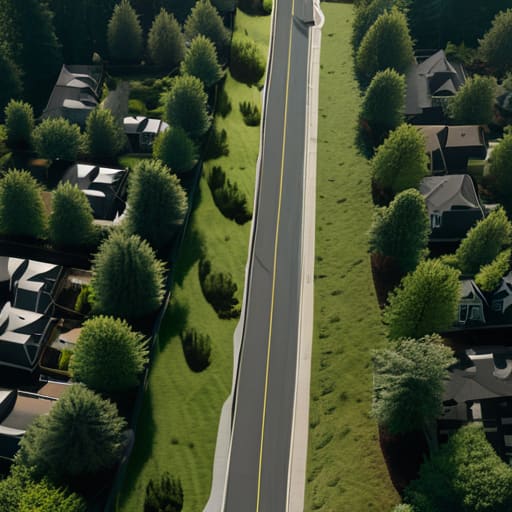
When I look at my collection of vintage court sketches, I’m often struck by how legal battles over property lines once felt so intimate—a dispute over a fence or a shared well. Today, those disputes have scaled into a massive, systemic crisis. As we push the boundaries of our cities outward, we aren’t just drawing new lines on a map; we are witnessing the devastating effects of land use on biodiversity. Every new cul-de-sac carved into the periphery represents a fractured ecosystem, where the natural corridors that wildlife depend on are severed by asphalt and manicured lawns, leaving nature to retreat in the wake of our expansion.
This isn’t merely an ecological tragedy; it is a structural one. The way we design our landscapes dictates how we move, and our current trajectory favors the isolation of the automobile over the connectivity of the community. We see a direct correlation between the environmental consequences of suburbanization and the sheer difficulty of implementing efficient transit. When low-density housing becomes the default, the dream of robust, green mobility slips through our fingers, replaced by a heavy, carbon-dependent reliance on individual vehicles that further degrades the very air we breathe.
Socioeconomic Impacts of City Expansion and Inequality
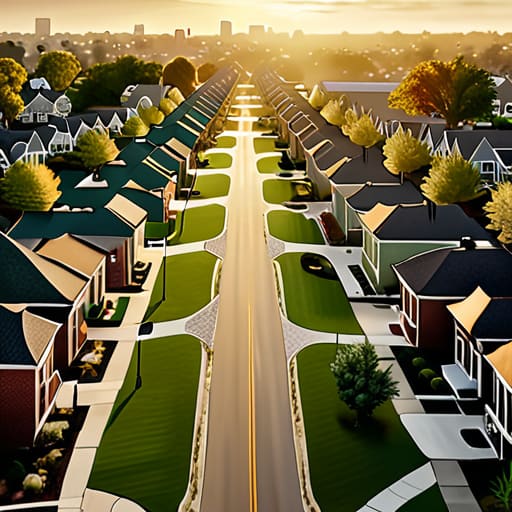
When we look beyond the loss of green space, we must confront the more insidious way sprawl fractures our social equity. As cities bleed outward, we aren’t just stretching a map; we are creating a geography of exclusion. The socioeconomic impacts of city expansion often manifest as a deepening divide between those who can afford the “suburban dream” and those left behind in aging urban cores. This outward push drives up property values in certain pockets while simultaneously stripping the central city of the tax base needed to maintain vital services, effectively creating a cycle of disinvestment that is incredibly difficult to break.
Furthermore, this expansion places a staggering burden on our collective resources through the massive infrastructure costs of urban sprawl. When we prioritize low-density development, we commit ourselves to an endless, expensive cycle of maintaining sprawling roads and utility lines that are notoriously difficult to service efficiently. This often leads to a precarious reliance on personal vehicles, which in turn complicates the integration of urban sprawl and public transportation. For the working class, the lack of transit connectivity isn’t just an inconvenience; it is a structural barrier to employment, education, and upward mobility.
Navigating the Sprawl: A Toolkit for the Civic-Minded Observer
- Look beyond the new housing developments and scrutinize the zoning laws driving them; understanding sprawl requires recognizing that these patterns aren’t accidental, but are often the direct legal byproduct of outdated land-use regulations and exclusionary zoning.
- Trace the “infrastructure debt” being accrued in your community, noting how the rapid expansion of roads and utilities often outpaces the tax base needed to maintain them, creating a long-term fiscal burden for future generations.
- Map the connectivity of your local transit—or lack thereof—to see how sprawl functions as a silent architect of social isolation, effectively mandating car ownership and creating legal and economic barriers for those unable to drive.
- Examine the “greenbelt” protections in your municipality to see if they are robust legal safeguards or merely toothless suggestions, as the preservation of ecological buffers is the primary defense against the total homogenization of our landscapes.
- Listen to the voices in the town hall meetings, not just the developers; the true impact of sprawl is best understood through the lived experiences of long-term residents who see their sense of community and civic identity being diluted by the relentless march of the pavement.
Reclaiming the Blueprint of Our Communities
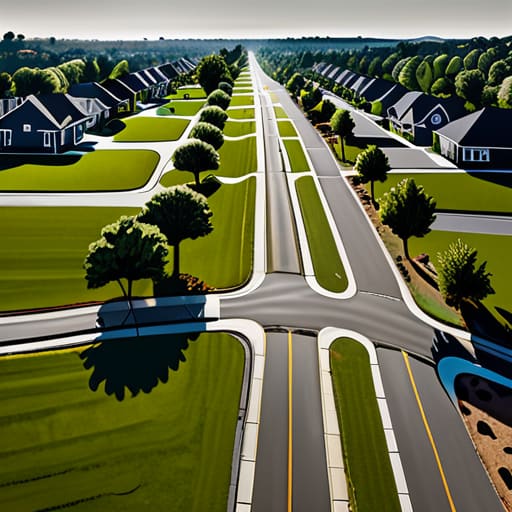
As we’ve traced the lines of this expansion, it becomes clear that urban sprawl is far more than a mere logistical headache for municipal planners. It is a profound restructuring of our physical and social reality, one that has systematically eroded our environmental stability and widened the chasm of socioeconomic inequality. We have seen how the relentless push for suburbanization fractures ecosystems and creates a legal landscape where access to opportunity is often dictated by a zip code. By prioritizing unchecked outward growth over thoughtful, integrated development, we haven’t just built more roads; we have inadvertently constructed barriers to equitable civic engagement and long-term sustainability.
Yet, looking back at the historical legal battles that shaped our civil rights, I am reminded that our current landscape is not an inevitability; it is a choice. The law is not a static set of rules carved in stone, but a dynamic tool that we can wield to redesign our shared spaces. We have the power to advocate for zoning reforms, transit-oriented development, and policies that prioritize human connection over mere convenience. Let us move toward a future where our cities are not just sprawling footprints of concrete, but intentional sanctuaries of justice and connection. The blueprint for a more cohesive society is in our hands, waiting for us to boldly redraw the lines.