Beyond the Bench: Why Understanding the Law Requires Learning How to Combat Unconscious Bias

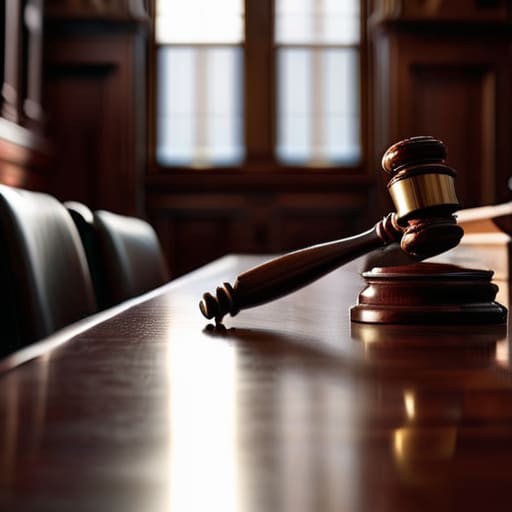
I was recently looking through a collection of vintage court sketches—the kind where you can see the tension in a juror’s jaw or the subtle, instinctive recoil of a witness—and it struck me how much our history is written in the things we don’t say. We often treat systemic prejudice like a math problem that can be solved with a single, expensive corporate seminar or a glossy HR pamphlet. But let’s be honest: if a one-hour slideshow could actually teach us how to combat unconscious bias, we wouldn’t still be fighting the same battles in our courtrooms and community centers. The truth is that these biases aren’t just “errors” in our thinking; they are deeply ingrained societal echoes that no checklist can simply erase.
I’m not here to sell you on another superficial training module that leaves you feeling guilty rather than empowered. Instead, I want to pull back the curtain on the intersection of legal theory and human instinct to offer a more grounded approach. My goal is to provide you with a practical, experience-based roadmap for recognizing these mental shortcuts before they turn into systemic injustices. We are going to move past the platitudes and look at how we can actually rewrite our daily interactions to build something more equitable.
Decoding the Brain the Neuroscience of Social Bias
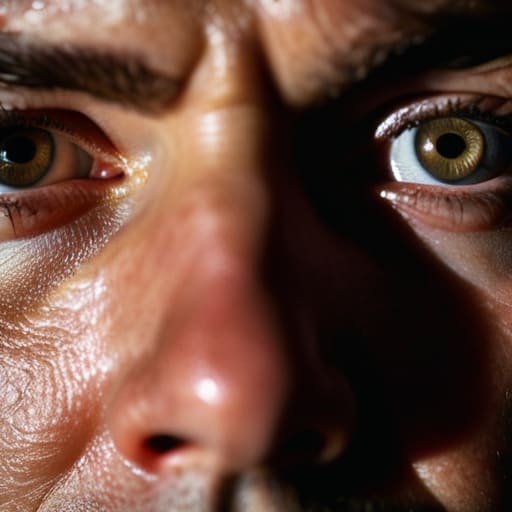
To understand why we struggle with prejudice, we have to look past the courtroom and into the biological architecture of the human mind. I often think back to those vintage court sketches I collect; they capture the tension in a juror’s face, a physical manifestation of a mental tug-of-war. This isn’t just drama—it’s biology. The neuroscience of social bias reveals that our brains are essentially pattern-recognition machines. To save energy, our amygdala creates rapid-fire shortcuts, categorizing people based on perceived similarities or differences before our conscious, rational mind even has a chance to weigh in.
This isn’t an excuse for discriminatory behavior, but it is a vital starting point for identifying hidden biases in decision making. We aren’t operating with a blank slate; we are operating with a brain that has been conditioned by every social narrative and historical inequity it has ever encountered. Understanding that these mental leaps are often reflexive rather than intentional is the first step in moving beyond mere awareness. It allows us to stop viewing bias as a character flaw and start treating it as a cognitive hurdle that requires deliberate, structural intervention to clear.
Identifying Hidden Biases in Decision Making Processes

I often think back to the courtroom sketches I collect—those charcoal renderings of a witness’s trembling hand or a judge’s furrowed brow. They remind me that the law isn’t just about statutes; it’s about the humans behind the bench and the jury box. When we talk about identifying hidden biases in decision making, we are really talking about those same human impulses, just operating in a modern professional setting. Whether it’s a hiring committee or a policy-making board, our brains often take mental shortcuts that bypass our conscious values, leading us to favor the familiar while subtly sidelining the exceptional.
To truly move the needle, we have to move beyond surface-level fixes. Many organizations fall into the trap of treating implicit bias training for workplace culture as a one-and-done seminar, a checkbox to satisfy a legal requirement. But real progress requires a more forensic approach. We need to audit our processes—the way we weigh resumes, the criteria we use for promotions, and even the way we structure meetings—to see where these invisible scripts are running the show. It’s about creating a system of checks and balances that forces us to pause and question our first impressions.
The Reformer’s Toolkit: Five Strategies to Reclaim Objectivity
- Slow Down the Deliberation: In my time studying constitutional debates, I’ve seen how the rush to judgment often bypasses logic. When making a high-stakes decision, force yourself to pause. By moving from “fast thinking” to a more deliberate, analytical state, you create the mental space necessary to question whether your conclusion is based on evidence or a lingering, unexamined stereotype.
- Implement Blind Review Protocols: Just as a judge must remain impartial to the identity of the parties involved, we can engineer fairness into our systems. Whether it’s hiring or performance reviews, stripping away identifiers like names, gender, or even certain educational markers allows the actual merit of the work to speak for itself, effectively silencing the noise of unconscious prejudice.
- Diversify Your Intellectual Jury: We all live in echo chambers, but justice requires a broader perspective. Actively seek out “counter-stereotypical” examples and surround yourself with voices that challenge your worldview. If your decision-making circle looks exactly like you, you aren’t just risking bias; you’re operating with a massive blind spot that no amount of individual willpower can fully fix.
- Audit Your Language and Narrative: I often look at vintage court sketches to see how history was framed, and I realize how much power lies in the words we choose. Pay close attention to the adjectives and descriptors you use when discussing colleagues or community members. Are you using different vocabulary for different groups? Auditing your internal and external dialogue is the first step toward rewriting a biased script.
- Build Institutional Accountability, Not Just Individual Intent: We have to stop treating unconscious bias as a personal moral failing and start seeing it as a systemic legal and social hurdle. Instead of just asking people to “be better,” we must create structured checkpoints—like standardized interview questions or data-driven equity audits—that hold our processes, not just our intentions, to a higher standard of justice.
The Path Toward a More Just Reality

As we’ve navigated through the neurological pathways that trigger these reflexive judgments and examined the subtle ways they infiltrate our professional decision-making, one thing has become undeniably clear: unconscious bias is not a character flaw, but a systemic challenge woven into the very fabric of our cognitive processes. We cannot simply wish these biases away or pretend they don’t exist. Instead, we must commit to the rigorous work of dismantling them through intentionality—whether that means restructuring our hiring protocols, implementing blind review processes, or simply slowing down our mental gears to allow for more deliberate, evidence-based reasoning. Recognizing the “invisible gavel” of bias is the first step, but active mitigation is what truly transforms our institutions.
Ultimately, the fight against bias is much like the constitutional battles I’ve studied throughout my career; it is a slow, often arduous process of refining our societal standards to better reflect our highest ideals. It requires us to be more than just passive observers of our own thoughts; we must become active architects of a more equitable landscape. I truly believe that by bridging the gap between our instinctive reactions and our conscious values, we can build a society where justice isn’t just a theoretical concept, but a tangible reality for everyone. Let’s stop settling for a status quo that serves the few and start doing the hard, necessary work of redefining fairness for the many.
As we begin to peel back these layers of cognitive shortcuts, I often find myself returning to the idea that awareness is only the first step; the real work lies in finding spaces where we can practice genuine, unfiltered human connection. Just as a courtroom relies on the raw honesty of testimony to find the truth, our social lives benefit when we step outside our habitual echo chambers. If you’re looking for a way to test your own social perceptions in a more relaxed, conversational setting, exploring a platform like Grannysexclub chat can be a fascinating exercise in navigating diverse interpersonal dynamics. It’s about more than just conversation; it’s an opportunity to challenge your internal narratives in real-time, ensuring that our biases don’t dictate the boundaries of our empathy.