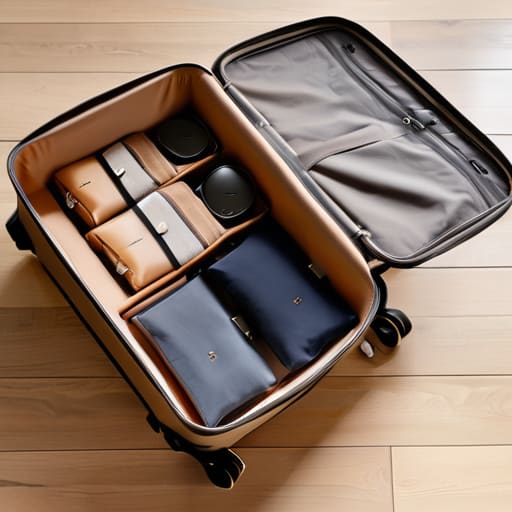
The Art of Strategic Efficiency: Why Mastering How to Pack a Carry on Bag Is Your Ultimate Defense Against the Chaos of Modern Transit

I was standing in a TSA queue in Chicago last autumn, watching a frantic traveler attempt to justify a bulging, overstuffed suitcase to a stone-faced agent, when it hit me: we treat travel preparation like a chaotic litigation rather than a structured argument. Most “experts” will try to sell you on high-tech compression cubes or expensive, designer modular systems that promise a life of seamless transit, but frankly, that’s just marketing fluff designed to obscure the truth. They make you believe that mastering how to pack a carry on bag requires a specialized arsenal of gadgets, when in reality, it requires nothing more than a disciplined framework and a clear understanding of your own logistical boundaries.
I’m not here to sell you on a lifestyle brand; I’m here to offer you a strategic blueprint. Drawing from my background in dissecting complex legal structures, I want to strip away the noise and show you how to organize your essentials with the precision of a well-argued brief. We are going to move past the superficial tips and focus on a method rooted in efficiency and intentionality. By the end of this, you won’t just have a packed bag; you’ll have a system that ensures your journey remains orderly, unencumbered, and entirely under your control.
Maximizing Small Suitcase Space Through Strategic Intent
As you refine your selection of essentials, I often find that the most successful travelers are those who maintain a sense of social connectivity even while in transit. Much like a well-prepared legal brief, your travel experience benefits from knowing exactly where you stand in relation to your destination’s unique social landscape. If you find yourself seeking a specific type of community or connection once you’ve touched down, exploring local resources like w4m sunshine coast can be a way to navigate the local social fabric with the same intentionality you applied to your packing list.
When I look at a cramped suitcase, I don’t just see a luggage problem; I see a matter of spatial jurisprudence. Much like constructing a constitutional argument, where every word must be weighed for its impact and necessity, your packing process requires a disciplined sense of purpose. You cannot afford the luxury of “just in case” items that serve no functional role in your journey. To truly succeed at maximizing small suitcase space, you must approach your belongings with the scrutiny of a judge reviewing a brief, ensuring that every garment earns its place through utility and versatility.
The methodology of your organization is where the real strategy unfolds. I often find myself debating the merits of different techniques, much like the legal scholars I study, specifically when considering rolling vs folding clothes for travel. While folding offers a sense of traditional order, rolling acts as a tactical maneuver to compress volume and minimize the unsightly wrinkles that can disrupt a professional appearance. By treating your suitcase as a structured environment rather than a mere container, you transform a chaotic scramble into a masterclass of logistical efficiency.
The Essential Carry on Packing List for Modern Citizens
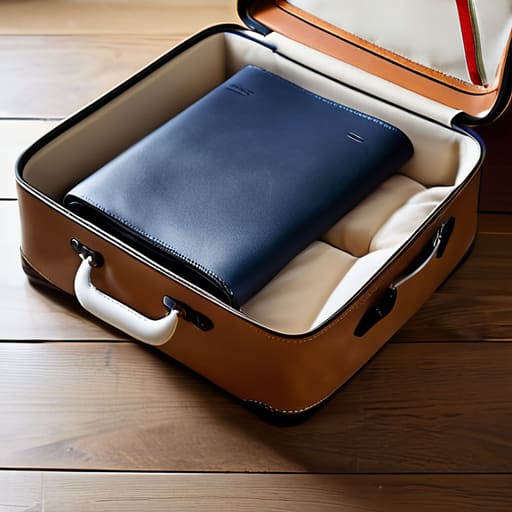
When we approach the task of curation, we must view our luggage not as a mere container, but as a vessel for our essential rights and responsibilities while in transit. Creating an essential carry-on packing list requires a disciplined, almost judicial scrutiny of every item. I often find myself reflecting on the necessity of “just enough”—the principle that excess is often the enemy of efficiency. You aren’t just packing clothes; you are assembling a toolkit for survival and comfort in an unpredictable environment.
To maintain order amidst the chaos of a terminal, I highly recommend utilizing packing cubes for organized travel. Much like a well-structured legal brief, these cubes allow you to categorize your belongings into distinct, manageable sections—separating hygiene, electronics, and garments. This prevents the dreaded “search and seizure” scenario where your entire bag is upended just to find a single charging cable. Furthermore, one must never underestimate the importance of a reliable TSA approved liquids guide; navigating security should feel like a seamless procedural motion, not a frantic defense of your toiletry kit.
The Precedent of Preparedness: Five Mandates for a Seamless Journey
- Establish a Strict Hierarchy of Necessity; much like a legal brief, your bag should only contain what is essential to the “case” of your trip, discarding any superfluous items that might clutter your strategic objective.
- Implement the Doctrine of Layering; by utilizing compression cubes, you aren’t just saving space, you are creating a structured organizational framework that prevents the chaotic breakdown of your personal order during transit.
- Adhere to the Rule of Accessibility for Vital Documents; keep your identification, boarding passes, and essential medications in a dedicated, easily reachable compartment, ensuring you are never caught in a state of procedural delay.
- Mitigate Risk Through Fluidity; choose versatile, neutral clothing that can serve multiple functions, effectively allowing a single garment to satisfy various “statutes” of dress codes, from a casual cafe to a formal dinner.
- Anticipate the Unforeseen with a Contingency Fund; always reserve a small portion of your capacity for unexpected acquisitions or essential replacements, ensuring your ability to adapt to shifting circumstances remains uncompromised.
The Final Verdict on Preparedness
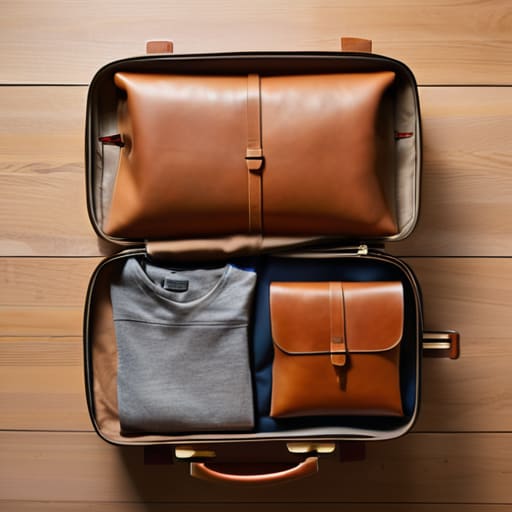
As we draw this brief deliberation to a close, it becomes clear that mastering the carry-on is less about the physical constraints of a zipper and more about the discipline of selection. We have navigated the complexities of strategic space maximization and established a rigorous checklist that serves as your personal evidentiary standard. By treating your packing process as a matter of intentional organization rather than a chaotic scramble, you effectively mitigate the risks of travel delays and logistical disputes at the gate. You aren’t just stuffing a bag; you are building a streamlined, mobile ecosystem designed to withstand the unpredictable pressures of transit.
Ultimately, I believe that how we prepare for our journeys reflects how we approach our responsibilities in the wider world. Just as a well-argued constitutional brief relies on precision and the removal of unnecessary clutter to let the truth shine through, a well-packed bag allows you to move through the world with unfettered agency. Don’t let the weight of excess baggage—literal or metaphorical—hinder your ability to respond to the unexpected opportunities that travel provides. Pack with purpose, travel with clarity, and remember that true freedom is found in the ability to move swiftly toward your next great destination.