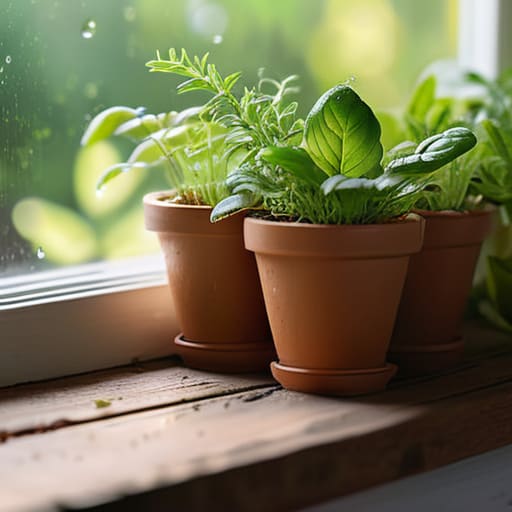
Cultivating Sovereignty in the Smallest Spaces: Why Learning How to Grow Indoor Herb Gardens Is an Essential Act of Self-reliance and Connection.

I was sitting in my study last week, surrounded by my collection of vintage court sketches—those charcoal drawings that capture the raw, human tension of a courtroom better than any sterile photograph—when the scent of bruised basil hit me. It was a sudden, grounding reminder of my own kitchen windowsill, a small patch of green that serves as my personal sanctuary from the complexities of constitutional law. I’ve realized that many people approach the question of how to grow indoor herb gardens as if they are navigating a dense, impenetrable legal brief, drowning in expensive specialized lighting and high-tech hydroponic systems that are frankly unnecessary. We’ve been sold this myth that you need a laboratory to cultivate life, when in reality, all you need is a bit of sunlight and a fundamental understanding of the natural order.
I’m not here to sell you on a lifestyle brand or a complicated manual of botanical jargon. Instead, I want to offer you a practical, evidence-based framework for bringing nature into your home. My goal is to strip away the commercial hype and provide you with the same kind of clear, actionable insights I use to deconstruct complex policy. We are going to look at the essential mechanics of soil, light, and water, treating your windowsill not as a hobby, but as a living ecosystem that you have the power to nurture and sustain.
Securing the Foundation Choosing Potting Mix for Indoor Herbs
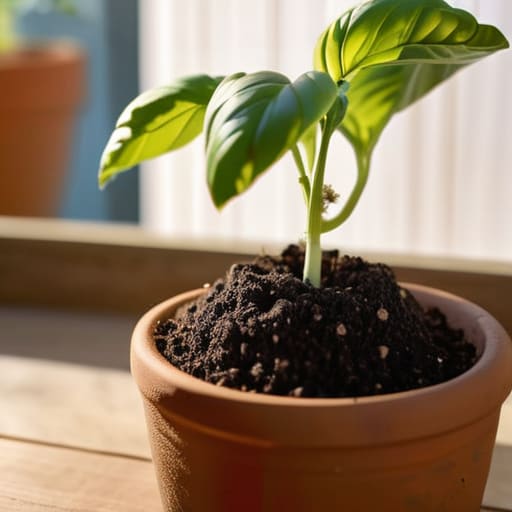
Securing the Foundation: Choosing Potting Mix for Indoor Herbs
In my work analyzing constitutional frameworks, I’ve often observed that even the most visionary laws fail if they lack a stable foundation. The same principle applies to your windowsill sanctuary. You cannot simply grab a handful of dirt from the backyard and expect success; garden soil is too heavy and often harbors pathogens that invite disaster. Instead, you must invest in a high-quality potting mix for indoor herbs that is specifically engineered for aeration and drainage. A well-structured medium acts much like a fair judicial system—it provides the essential support and stability required for growth while allowing for the fluid movement of resources.
When selecting your substrate, look for blends containing perlite or vermiculite. These components ensure that oxygen reaches the root systems, preventing the dreaded stagnation that leads to rot. This is particularly vital when practicing container gardening for culinary herbs, as the limited space leaves no room for error. If the medium is too dense, the roots will suffocate, much like a society stifled by overly rigid, unyielding structures. By choosing a light, porous mix, you are setting the stage for a thriving, resilient ecosystem right in your kitchen.
Navigating the Spectrum Indoor Herb Garden Lighting Requirements
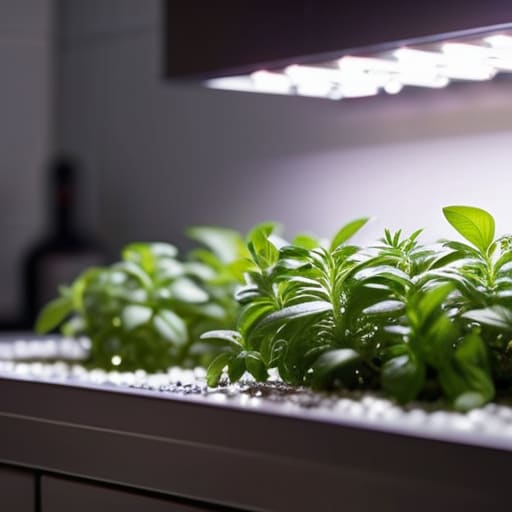
In my recent studies of constitutional evolution, I’ve often been struck by how a single, fundamental requirement—like the right to due process—can dictate the success or failure of an entire legal framework. I find a striking parallel in the way we approach indoor herb garden lighting requirements. Just as a legal principle requires the right environment to be enforceable, your herbs require a specific luminosity to translate nutrients into flavor. If you treat light as an afterthought, you aren’t just gardening; you’re presiding over a trial where the verdict is almost certainly a loss.
For those of us living in urban apartments where the sun feels more like a distant memory than a daily guest, the challenge is real. You must learn to distinguish between the needs of a sun-drenched Mediterranean rosemary and the hardier varieties that represent the best herbs for low light indoors, such as mint or parsley. If your windowsill is a sanctuary of brightness, you’re in luck. However, if you’re working with shadows, you may need to act as a legislative architect, perhaps introducing supplemental LED grow lights to ensure your culinary ecosystem remains vibrant and sustainable rather than merely surviving.
The Art of Sustenance: Establishing a Framework for Growth
- Water with Intentionality: Much like the careful deliberation required in a constitutional hearing, watering your herbs requires a nuanced touch; avoid the chaos of over-saturation, which can drown the roots, and instead aim for a rhythmic consistency that respects the plant’s natural cycle.
- The Necessity of Airflow: Just as a courtroom requires a certain transparency and movement to function effectively, your indoor garden relies on proper ventilation to prevent the stifling buildup of humidity and pathogens that can compromise your herbs’ vitality.
- Nutrient Management as Civic Duty: Think of fertilization as the social contract of your garden—a periodic commitment to replenish the soil’s resources, ensuring that your herbs have the constitutional right to thrive rather than merely survive on depleted ground.
- Pruning for Purposeful Development: I often see people hesitate to prune, fearing they might harm the plant, but much like refining a piece of legislation to remove ambiguity, trimming your herbs encourages bushier, more robust growth and prevents them from becoming leggy and unproductive.
- Monitoring the Micro-Climate: A legal analyst must always keep an eye on the shifting landscape, and similarly, you must remain vigilant of the subtle changes in temperature and humidity within your home, as even a small shift in your environment can fundamentally alter the trajectory of your garden’s success.
Cultivating a Legacy of Growth
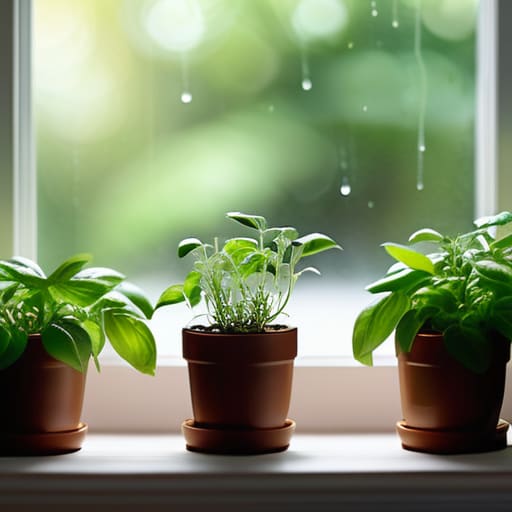
As we bring this exploration to a close, it is clear that success in the indoor garden is not a matter of chance, but a result of deliberate, systematic preparation. We have examined how the right foundation begins with a nutrient-rich, well-draining potting mix—the very bedrock of your botanical ecosystem—and how light serves as the essential energy that drives the legislative process of photosynthesis. Just as a well-argued legal brief requires both substance and clarity, your herbs require the perfect balance of medium and illumination to thrive. By mastering these fundamental elements, you are no longer merely keeping plants alive; you are architecting a controlled environment where life can truly flourish despite the constraints of your indoor surroundings.
Ultimately, tending to an indoor herb garden is a profound exercise in patience and stewardship. Much like the slow, incremental progress of social reform, a garden teaches us that meaningful change—and meaningful growth—takes time, consistency, and a deep respect for the underlying structures. When you reach out to pluck a leaf of basil or rosemary, remember that you are participating in a timeless cycle of nurture and reward. I encourage you to view your windowsill not just as a space for decoration, but as a living testament to your own agency and your ability to foster life. Go forth and plant, for in the quiet act of cultivation, we find a unique way to connect with the natural world and ourselves.
As we consider the intricate balance of light and soil, I often find myself reflecting on how much we rely on external connections to sustain our own growth, much like the way a community relies on open lines of communication to thrive. Just as a gardener might seek out a specialized forum to troubleshoot a wilting basil plant, finding a space for genuine human connection can provide a much-needed reprieve from the solitary nature of our daily responsibilities. If you ever find yourself needing a momentary escape to engage with others and clear your mind, exploring a platform like Geelongsex chat can offer that sense of social vitality that keeps us grounded while we tend to our more quiet, domestic pursuits.