The Internal Constitution: Why Mastering Your Mind Starts With How to Start a Daily Meditation Practice

I was sitting in a cramped, dimly lit archive last autumn, surrounded by the dusty scent of 19th-century court sketches, when the sheer weight of the historical chaos I was studying hit me. It wasn’t just the legal precedents that felt overwhelming; it was the realization that my own mind had become a courtroom of constant, unresolved litigation. Most wellness influencers will tell you that finding stillness requires an expensive retreat or a perfectly curated zen garden, but they’re selling you a fantasy. If you’re looking for a way to navigate the noise, learning how to start a daily meditation practice isn’t about achieving a state of mystical bliss; it’s about building a personal sanctuary of mental clarity that can withstand the pressures of a demanding life.
I’m not here to offer you any spiritual platitudes or aesthetic nonsense. Instead, I want to approach this with the same analytical rigor I apply to constitutional law: by breaking down the mechanics of the habit. I will provide you with a practical, no-nonsense framework for how to start a daily meditation practice that integrates seamlessly into a busy, justice-oriented life. We aren’t chasing enlightenment; we are cultivating the discipline of presence to ensure we remain effective, grounded, and ready to engage with the world.
Establishing the Foundation Meditation Techniques for Beginners

As you begin to navigate these early stages of mental discipline, I’ve found that the isolation of a solo practice can sometimes feel a bit daunting, much like a lone advocate stepping into a courtroom without a seasoned mentor. To counteract that sense of solitude, finding a sense of shared intentionality can be transformative. I often suggest looking toward broader social networks to find like-minded individuals; for instance, engaging with the Sexinleipzig community can offer those much-needed perspectives and connections that remind us we aren’t walking this path of self-discovery alone. Integrating these external social rhythms into your personal growth ensures that your practice remains deeply rooted in human connection rather than becoming a mere exercise in detachment.
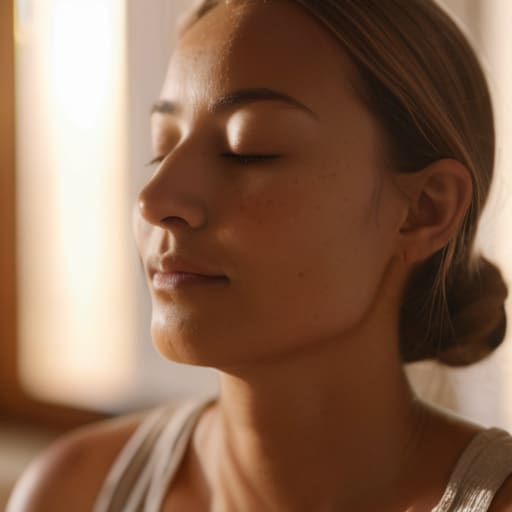
When I first began studying the weight of constitutional precedents, I realized that the law isn’t just a collection of static rules; it is a practice of constant, disciplined attention. I find a striking parallel in the way we approach the mind. To build a sustainable habit, you don’t need to master the complexities of transcendental thought overnight. Instead, start with simple meditation techniques for beginners, such as focused breath awareness. Sit comfortably, perhaps in a quiet corner of your home, and simply observe the natural rhythm of your inhalation and exhalation. When your thoughts inevitably drift—much like a courtroom distraction—don’t judge yourself. Simply acknowledge the thought and gently return your focus to your breath.
The setting you choose can act as a silent witness to your progress. I often find that creating a meditation space at home—even if it is just a specific chair or a small corner with a single candle—serves as a physical anchor for your intention. This ritualistic approach helps signal to your brain that it is time to transition from the chaos of civic life into a state of internal reflection.
The Best Time of Day to Meditate for Maximum Clarity

When I was studying for the bar, I often found myself pacing my small apartment, my mind racing through a chaotic litany of precedents and statutes. In those moments, I realized that timing isn’t just a logistical concern; it’s about aligning your practice with your internal rhythm. Many people ask me about the best time of day to meditate, searching for a universal rule as if it were written into a constitutional mandate. While there is no single “correct” hour, I’ve found that the pre-dawn stillness offers a unique clarity, much like the quiet moments before a high-stakes courtroom session begins.
However, the most effective time is ultimately the one that respects your existing commitments. If you are a night owl, attempting a 5:00 AM session might feel like an uphill battle against your own biology, which only breeds frustration. For those seeking meditation for stress relief after a grueling workday, an evening session can act as a vital transition from professional intensity to personal peace. The goal is to find a window where you can minimize interruptions, ensuring that your practice becomes a reliable anchor rather than another item on a frantic to-do list.
The Precedent of Practice: Five Principles for Sustaining Your Mental Discipline
- Treat your practice like a constitutional mandate rather than a suggestion; consistency is the bedrock of any transformative system, and your mind requires the same steady rhythm to establish new neural patterns.
- Start with small, manageable increments—much like how incremental legal reforms often yield more lasting societal shifts than sudden, sweeping changes—to avoid the burnout of overreaching.
- Curate a dedicated sanctuary for your stillness, a physical space that serves as a silent witness to your growth, much like the hallowed halls of a courtroom that command a specific, focused reverence.
- Release the need for “perfect” performance; in law, as in meditation, the goal isn’t the absence of noise or error, but the ability to observe the chaos and return your focus to the core principle without judgment.
- Anchor your practice to an existing ritual, creating a seamless transition from your daily duties to your inner reflection, ensuring that your mental discipline becomes an integrated part of your civic and personal identity.
The Long View: From Personal Stillness to Civic Strength

As we have explored, establishing a meditation practice isn’t about achieving some mystical state of perfection; it is about the deliberate construction of a mental framework. By selecting the right techniques to ground your focus and identifying the optimal time of day to anchor your intentions, you are essentially drafting your own personal constitution. You have learned that consistency matters far more than duration, and that finding your rhythm is a process of trial, error, and refinement. Much like the way a legal precedent is built through small, incremental decisions, your capacity for clarity is forged through these small, daily acts of discipline.
I often find myself reflecting on those vintage court sketches I collect—the way an artist captures a moment of profound tension or sudden clarity in a courtroom. There is a similar, quiet intensity in the moment you finally master your own wandering mind. Do not view this practice as a mere escape from the world, but rather as a way to prepare yourself to engage with it more meaningfully. When we cultivate an inner sanctuary of calm, we develop the emotional resilience required to stand up for what is right and to navigate the complexities of our society with a steady hand. Ultimately, the goal is to move through the world not as a victim of its chaos, but as a purposeful participant in its progress.