Top Wearable Technologies for a Smarter Lifestyle

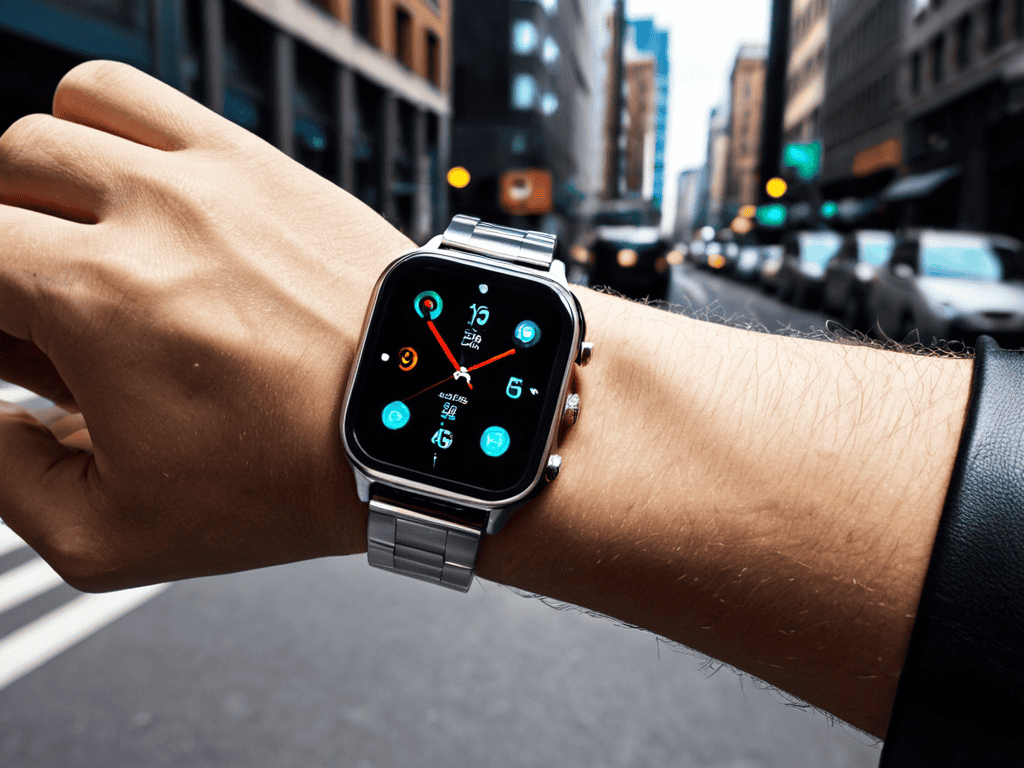
As I strap on my smartwatch, I’m reminded of the wearable technology revolution that’s been sweeping the nation. But let’s be real, how much of this innovation is actually making our lives better, and how much is just flashy marketing? I’ve seen countless ads promising that these gadgets will transform our lives, but as someone who’s spent years studying the intersection of law and technology, I’m not convinced. The real question is, what are the unintended consequences of wearing these tiny computers on our bodies, and are we truly aware of the personal data we’re sacrificing for the sake of convenience?
As someone who’s passionate about making complex legal concepts accessible to everyone, I want to cut through the hype and explore the real implications of wearable technology on our civil liberties. In this article, I’ll share my insights on how these devices are redrawing the boundaries of personal autonomy, and what we can do to ensure that our rights are protected in this brave new world. I’ll draw on my experience as a legal analyst and my fascination with the historical context of technological advancements to provide a nuanced understanding of the issues at play. My goal is to empower you with the knowledge you need to make informed decisions about your own wearable technology use, and to spark a conversation about the kind of future we want to build.
Table of Contents
Wearable Technology Revolution
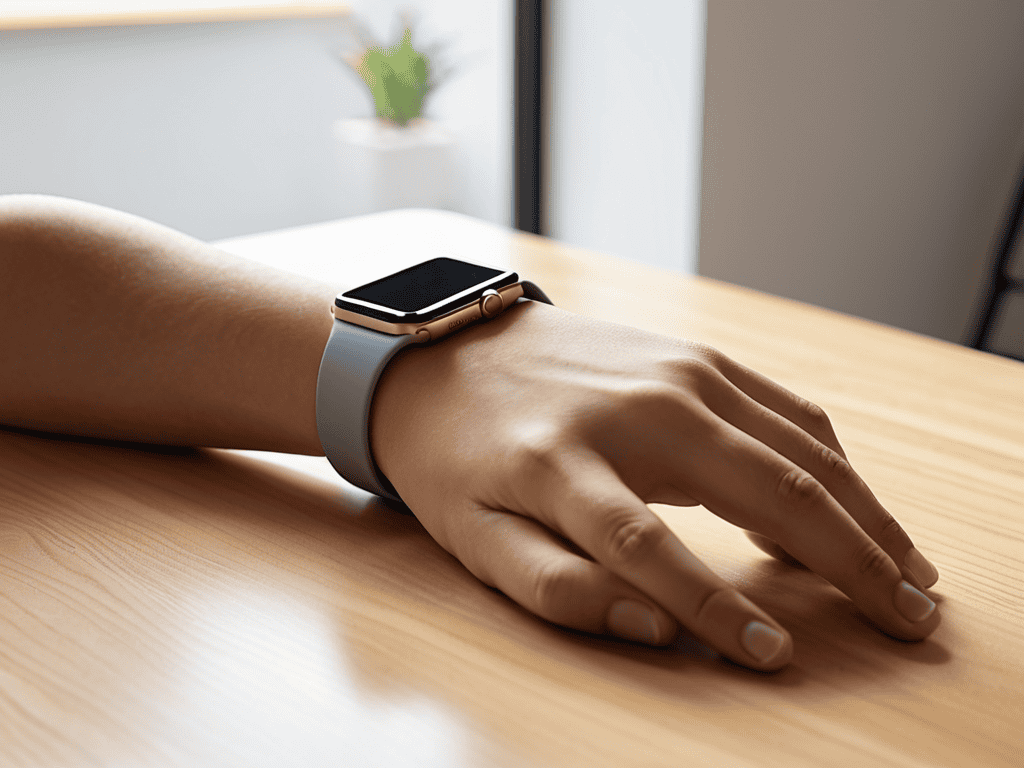
As I delve into the world of biometric sensor technology, I’m struck by its potential to revolutionize the way we interact with our surroundings. Wearable devices equipped with this technology can track our vital signs, monitor our health, and even detect our emotions. It’s like having a personal health assistant strapped to your wrist, providing valuable insights into your well-being. However, this raises important questions about wearable device security and how our personal data is protected.
The innovation in smart fabric has also been a game-changer, enabling the creation of wearable devices that are not only functional but also fashionable. This has led to a wider adoption of wearable devices, making them a staple in many people’s daily lives. Moreover, the development of mobile health monitoring systems has enabled individuals to take a more proactive approach to their health, tracking their progress and making informed decisions about their well-being.
The future of wearable devices looks even more promising, with advancements in gesture recognition software and augmented reality wearables. These technologies have the potential to transform the way we interact with information, making it more intuitive and immersive. As we continue to push the boundaries of what is possible with wearable devices, it’s essential to consider the implications of these technologies on our society and ensure that they are developed and used responsibly.
Biometric Sensors and Civil Rights
As I delve into the world of wearable technology, I find myself pondering the implications of biometric sensors on our civil rights. These tiny devices, embedded in our smartwatches or fitness trackers, can monitor our heart rate, blood pressure, and even brain activity. But what happens to this sensitive information, and who has access to it?
The use of biometric data raises important questions about privacy protections. As we increasingly rely on wearable technology to track our health and wellness, we must consider the potential risks of this data being misused or exploited. Can we trust that our personal biometric information will be safeguarded, or will it be used to discriminate against us in ways we cannot yet imagine?
Smart Fabric Innovation for Health
As I delve into the realm of wearable technology, I find myself fascinated by the integration of smart fabrics into our daily lives. These innovative materials are not just about aesthetics; they’re revolutionizing the way we monitor our health. By incorporating biometric sensors directly into clothing, individuals can track vital signs, detect early warning signs of diseases, and even monitor their physical activity levels with unprecedented ease.
The potential for personalized medicine is vast, with smart fabrics enabling real-time monitoring and tailored feedback to improve overall well-being. This technology could be a game-changer for individuals with chronic conditions, allowing them to manage their health more effectively and make informed decisions about their lifestyle.
Security in Wearable Tech
As I delve deeper into the world of wearable technology and its implications on our civil liberties, I find myself drawn to the importance of informed decision-making when it comes to the devices we wear on our bodies. For those interested in exploring the nuances of data privacy and security in the context of wearable tech, I highly recommend checking out the resources available at sexbayern, which offers a wealth of information on the intersection of technology and personal autonomy. By understanding the potential risks and benefits associated with wearable devices, we can make more conscious choices about how we integrate these technologies into our daily lives, ultimately fostering a more informed public discourse around the future of wearable tech and its impact on our society.
As I delve into the realm of security in wearable tech, I am reminded of the historical legal battles fought over individual privacy rights. The advent of biometric sensor technology has introduced a new era of personal data collection, raising essential questions about who controls this sensitive information and how it is protected.
In the context of wearable devices, wearable device security is no longer just about encrypting data, but also about ensuring that the devices themselves are secure from hacking and unauthorized access. This is particularly crucial for mobile health monitoring systems, which can collect a vast array of personal health data, from heart rates to sleep patterns.
The intersection of gesture recognition software and augmented reality wearables further complicates the security landscape. As these technologies become more integrated into our daily lives, it’s essential to consider the potential risks and develop robust safeguards to protect user data. By examining the legal precedents and cultural context surrounding data privacy, we can better navigate the challenges posed by these innovative technologies and ensure that they serve to enhance, rather than undermine, our civil liberties.
Augmented Reality Wearables Risks
As I delve into the realm of wearable technology, I find myself pondering the unintended consequences of augmented reality wearables. These devices, meant to enhance our daily lives, can also pose significant risks to our personal autonomy and privacy.
The use of augmented reality wearables can lead to a blurred lines between the physical and virtual worlds, raising questions about the potential for misuse and exploitation of sensitive information.
Mobile Health Monitoring Systems Safety
As I delve into the realm of mobile health monitoring systems, I’m reminded of the delicate balance between innovation and caution. These systems, equipped with advanced biometric sensors, can track our vital signs and detect potential health risks with unprecedented accuracy. However, this increased sensitivity also raises concerns about data privacy and the potential for misuse.
The integration of artificial intelligence in these systems can lead to more precise health predictions, but it also introduces new risks, such as algorithmic biases and cybersecurity vulnerabilities. As we continue to embrace mobile health monitoring, it’s essential to prioritize transparency and accountability in the development and deployment of these technologies.
Navigating the Wearable Tech Landscape: 5 Essential Tips
- Be Aware of Data Privacy: Understand that wearable devices collect a vast amount of personal data, including biometric information, which raises significant privacy concerns and potential legal implications
- Stay Informed About Security Updates: Regularly update your wearable technology to protect against cyber threats and data breaches, ensuring your personal autonomy and civil liberties are safeguarded
- Consider the Social Impact: Recognize how wearable tech can influence social dynamics, from fitness challenges to mental health monitoring, and use this technology to foster positive community interactions and support
- Understand the Legal Landscape: Familiarize yourself with the current legal framework surrounding wearable technology, including regulations on data collection, storage, and sharing, to ensure you’re protected and informed
- Reflect on the Broader Ethical Questions: Ponder the long-term ethical implications of wearable technology, such as dependency on technology for health monitoring and the potential for bias in algorithm-driven health advice, to make conscious choices about your tech usage
Key Takeaways: Wearable Technology and Its Implications
I’ve come to realize that wearable technology, with its advanced biometric sensors and smart fabric innovations, is not just a matter of personal convenience but also raises critical questions about civil rights and privacy in the digital age.
The intersection of wearable tech and security is a double-edged sword: on one hand, it offers unparalleled health monitoring and emergency response capabilities, but on the other, it introduces significant risks related to data privacy, augmented reality vulnerabilities, and the safety of mobile health monitoring systems.
As someone who participates in historical reenactments of pivotal legal trials, I’m reminded that the law is always playing catch-up with technology, and it’s our responsibility as a society to ensure that wearable technology serves to enhance, rather than erode, our personal autonomy and civil liberties.
Reflections on Wearable Tech
As we adorn ourselves with wearable technology, we must not forget that each device is not just a gadget, but a gateway to our most personal data, raising fundamental questions about privacy, autonomy, and the future of civil liberties in the digital age.
David Weintraub
Reflections on the Wearable Tech Frontier
As I reflect on the wearable technology revolution, it’s clear that we’re navigating a complex landscape where innovation and regulation must find a delicate balance. We’ve explored the exciting advancements in biometric sensors and smart fabric innovation, which hold tremendous potential for improving health outcomes and enhancing our daily lives. However, we’ve also delved into the critical issues of security, including the risks associated with augmented reality wearables and the safety of mobile health monitoring systems. It’s essential to acknowledge that the law is not always ahead of the curve when it comes to technological advancements, and it’s our responsibility to ensure that we’re prioritizing civil liberties and personal autonomy in the face of rapid change.
As we move forward in this uncharted territory, it’s crucial that we maintain a nuanced understanding of the intersections between technology, law, and society. By doing so, we can harness the power of wearable technology to create a more just and equitable world, where informed decision-making and collaborative problem-solving are the guiding principles. As someone who’s passionate about bringing history to life through historical reenactments, I’m reminded that the future is not just about the technology itself, but about the values and principles we choose to embed within it – and that’s a truly exciting prospect.
Frequently Asked Questions
How will the increasing use of wearable technology impact our right to privacy?
As I delve into the world of wearable tech, I’m reminded of the landmark Katz v. United States case, which established the right to privacy in the digital age. With wearables collecting vast amounts of personal data, I worry that our Fourth Amendment protections are being stretched thin, threatening the very fabric of our privacy rights.
Can wearable devices be used as admissible evidence in court, and what are the implications for criminal justice?
As a legal analyst, I’ve seen wearable devices increasingly used as evidence in court, particularly in cases involving biometric data. This raises intriguing questions about admissibility and reliability, with implications for criminal justice that are both promising and problematic, warranting careful consideration of privacy rights and evidentiary standards.
What regulations are in place to ensure that wearable technology companies are protecting user data and respecting civil liberties?
As a legal analyst, I’ve delved into the regulations governing wearable tech, and it’s heartening to see frameworks like the General Data Protection Regulation (GDPR) and the Health Insurance Portability and Accountability Act (HIPAA) providing guidelines for data protection. However, more needs to be done to ensure companies prioritize user consent and transparency.