
Addiction Epidemic: Addressing the Crisis and Finding Hope

Did you know more than 107,000 Americans died from drug overdoses in 2021? This was a 15% jump from the year before, the CDC tells us. Such numbers show how serious the substance abuse situation has gotten in the United States. Especially with opioids turning into a vast public health issue.
Experts, including Kathryn Santoro from the National Institute for Health Care Management Foundation, shed light on the problem. They say synthetic opioids and stimulants have driven this crisis up. Over 10 years, the overdose death rate nearly doubled, and the pandemic made it worse. It brought more isolation, economic hardships, and made treatment hard to get.
However, there’s still hope. There are many efforts and plans in place to fight this addiction battle. The U.S. Department of Health and Human Services (HHS) is giving over $1.6 billion to communities to help. Along with the CDC and the Substance Abuse and Mental Health Services Administration (SAMHSA), millions more are going towards recovery and preventing drug use.
By using detailed recovery programs and public health strategies, we can directly confront the opioid problem. We offer hope to those battling with these disorders. Let’s look at how these strategies are being used and their positive effects. Many people are working on solutions for this issue.
The Growing Addiction Epidemic in the United States
The addiction epidemic in the United States has grown immensely, leading to a severe public health crisis. We will look into its start, the influence of synthetic drugs, and how COVID-19 changed addiction rates.
Historical Context and Current Statistics
The U.S. has seen three main waves of addiction. It started with too many opioid prescriptions in 1999, causing deaths to spike. By 2017, deaths from prescription opioids jumped from 3,442 in 1999 to 17,029. Then, heroin use increased, with overdoses peaking at 13,165 in 2020. The arrival of synthetic opioids like fentanyl in 2013 made things worse, with deaths from opioids shooting up from 49,860 in 2019 to 81,806 by 2022. 
In 2022, around 108,000 people died from drug overdoses in the U.S. Fentanyl was responsible for 73,838 of these. Stimulants like cocaine and meth accounted for 27,569 and 34,022 deaths, respectively. These numbers show the huge impact of stimulant abuse.
The Role of Synthetic Opioids and Stimulants
Synthetic opioids, mainly fentanyl, have significantly worsened the addiction crisis. Deaths from fentanyl nearly tripled from 2016 to 2021. Its high potency and hidden production have led to many overdose deaths. Alongside, abuse of stimulants such as methamphetamine and cocaine has increased. Deaths from meth went from 5,716 in 2015 to 34,022 in 2022. Cocaine-related deaths also rose from 6,784 in 2015 to 27,569 in 2022.
More people are now using opioids and stimulants together, making the situation more complex. This mix raises the risk of deadly overdoses. This shows how closely linked synthetic opioids and stimulant abuse are in today’s addiction scene.
Impact of the COVID-19 Pandemic on Addiction Rates
The COVID-19 pandemic made addiction rates go up, leading to more overdose deaths. It put a lot of stress on people’s mental health, pushing some towards drugs. Dr. Jan Losby from the CDC says that increased loneliness, financial struggles, and limited access to treatment during the pandemic made things worse, deepening the health emergency.
From 2019 to 2022, the unchecked spread of synthetic drugs led to a big increase in overdose deaths. During this time, deaths from fentanyl overdoses among youths aged ten to nineteen doubled from 2019 to 2021. This adds urgency to tackle this growing crisis.
Understanding Substance Abuse and Its Effects
Substance abuse deeply affects a person’s life. It shows why we need broad health strategies. Learning about its effects helps in creating ways to lessen its impact on society.
Physical and Mental Health Implications
Substance abuse hits physical and mental health hard. Drugs, from painkillers to synthetics like K2 and Spice, cause big health problems. Symptoms include strong cravings and ignoring duties. Withdrawal is tough.
The effects on mental health are scary. Drugs can cause disorders, hallucinations, and paranoia. We need to focus on prevention and treatment to deal with this.

The COVID-19 pandemic made substance abuse problems worse. Reports say 13% of Americans used more substances because of pandemic stress. Overdoses increased by 18% across the country. This situation shows we must act fast to help during crises.
Societal and Economic Consequences
Substance abuse doesn’t just harm health. It also burdens society and the economy. Opioid issues increase deaths and emergency visits, straining healthcare. The costs are huge, affecting healthcare, work, and the legal system.
In Kentucky, the pandemic led to fewer methadone treatments and fewer new patients. This puts financial strain on healthcare and shows why ongoing treatment is vital. Telehealth for drug treatments could help solve some of these challenges.
Public Health Strategies to Combat Addiction
Fighting addiction needs strategies based on evidence. It’s crucial to use overdose prevention steps. We also must stick to CDC guidelines to truly tackle this issue.
The Role of CDC and NIHCM in Prevention Efforts
The CDC and NIHCM are key in stopping addiction. They push for strong data analysis and take quick action when needed. Their use of health data helps spot and address drug misuse.
They start programs like Overdose Data to Action (OD2A). It combines data collection and opioid prescribing advice. This helps doctors use the right care methods.
The CDC and NIHCM focus on helping communities hit hard by drug misuse. In 2023, overdoses caused more than 100,000 deaths. This shows why we need strong prevention work.
Data-Driven Approaches to Reducing Overdoses
To lower overdoses, using data is key. Public health experts can find problem areas and act fast. The OD2A program is one way they’re tracking and tackling overdose issues quickly.
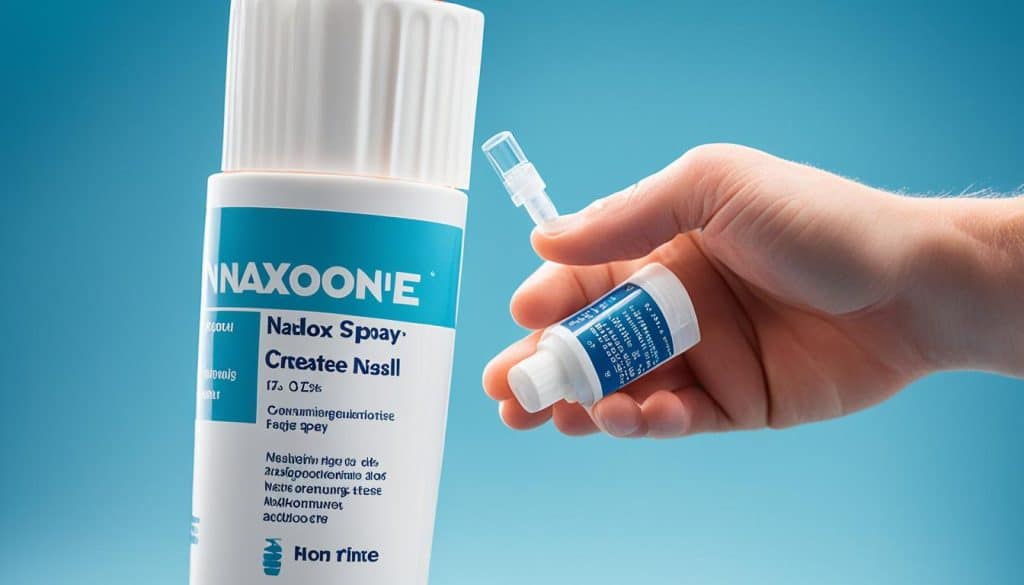
Getting resources like naloxone to everyone is also a top goal. The American Rescue Plan set aside $30 million for harm reduction services. This is part of the effort to prevent overdoses.
President Biden’s budget for FY2022 asks for $41 billion for drug policies. This shows a big push to fight addiction. It includes $10.7 billion for many programs, from research to recovery. These funds are crucial for sticking to CDC guidelines and better opioid prescribing.
Challenges in Accessing Treatment and Support
Getting help for substance use disorders (SUD) is hard due to societal stigma and COVID-19 challenges. Many people don’t seek help because they fear judgment and discrimination. This fear is a big barrier to treatment. The COVID-19 pandemic has also made it hard for people to get health care and support.
Stigma and Its Impact on Seeking Help
Stigma about substance use makes it tough for people to look for treatment. It leads to shame and judgment, causing some to avoid getting help. Recent statistics show that only 10% of over 20 million people with SUD got treatment last year. Stigma affects personal choices and lessens support for health care resources. It’s even harder for minority communities, where stigma adds to other social problems.
Barriers Faced During the COVID-19 Pandemic
The COVID-19 crisis greatly affected access to treatment and support. Many services moved online, making access hard for some. This change led to fewer people getting treatment for addiction and fewer naloxon prescriptions, which help prevent overdoses.
About 37% of adults could not afford mental health care during the pandemic. Similarly, 31% couldn’t afford care for substance use. The pandemic’s effects made it especially tough for people in need to find help.
Organizations like the Administration for Community Living (ACL) and the Substance Abuse and Mental Health Services Administration (SAMHSA) helped a lot. They connected people to essential services. With support from the American Rescue Plan Act, these agencies got more funds for mental health and substance use programs. This funding is crucial for improving access to treatment, tackling stigma, and helping those hit hardest by the pandemic.