Media Bias: Understanding the Influence on Public Perception

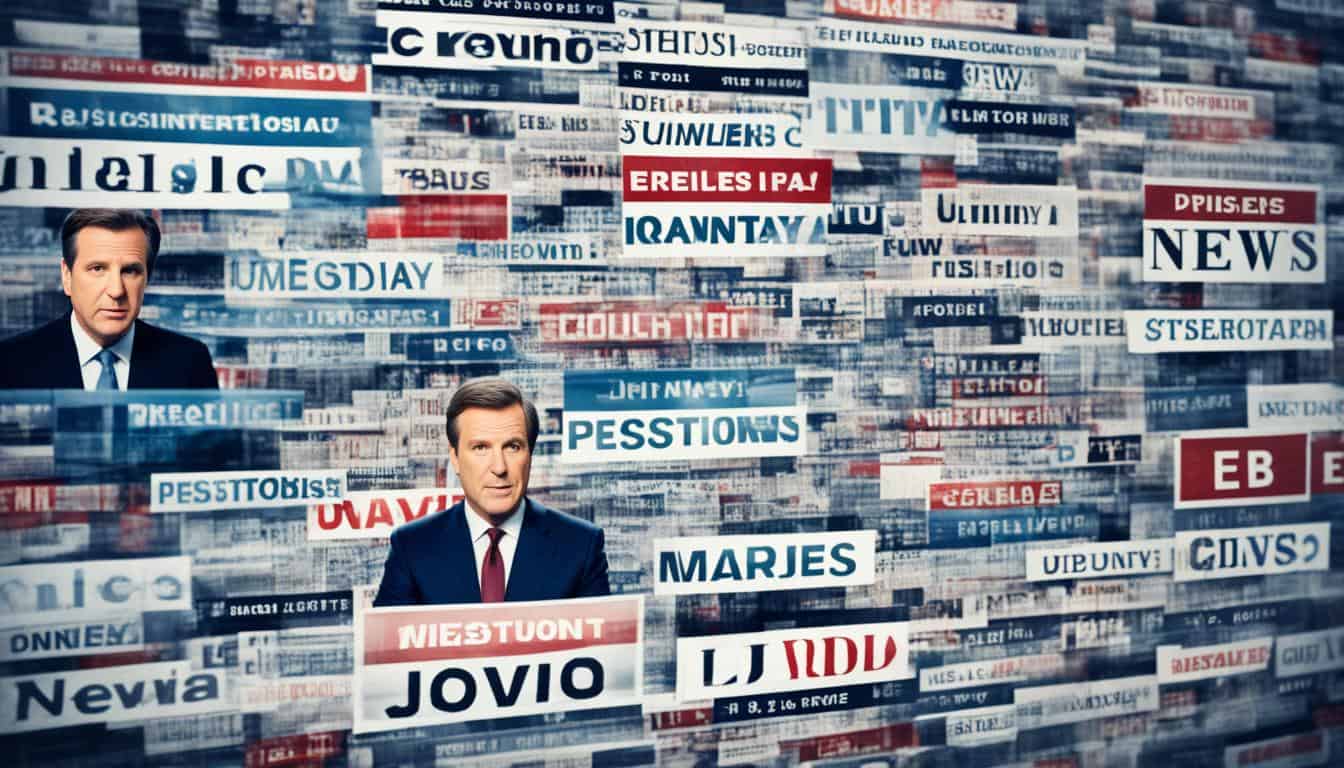
Did you know some news outlets are 75% more likely to cover crimes involving people of color than white individuals? This reporting style strengthens harmful racial stereotypes. Media bias shapes public opinion and impacts politics. It can twist facts through selective reporting and framing, affecting views and behavior.
Media bias can subtly change how news is seen. It often supports certain political or social viewpoints. For example, during the COVID-19 pandemic, differences in social distancing showed how bias affects public actions. This can foster political divides and heighten racial tensions.
Reducing media bias involves maintaining journalistic standards like fairness and accuracy. A balanced news coverage aims to give the public reliable information. This helps people make informed choices. But fighting bias isn’t just up to the media. Readers and viewers should also seek various news sources and think critically about what they read.
Understanding media bias is key to knowing its effects on society. It shapes politics and can deepen racial issues. In today’s world, where information is everywhere but may be biased, staying alert and looking for trustworthy reports is vital. Together, we can work to lessen media bias and build a more informed and fair society.
What is Media Bias?
Media bias happens when news reports show unfair preference in their coverage. The issue and extent of bias vary across different countries. Journalists sometimes can’t report everything due to certain limits. In places like China and North Korea, government control skews media reporting. The interaction between politics and media bias can affect society’s power dynamics. Bias can also come from who owns the media. Learning about bias is important for understanding media.
Types of Media Bias
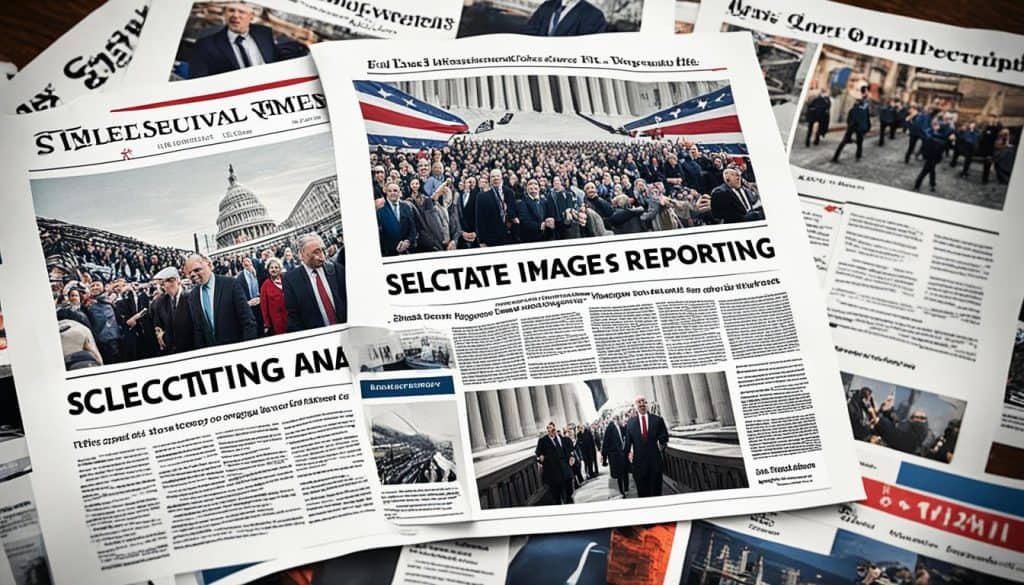
Media bias comes in many forms. This includes bias from advertisers, against science, and in how stories are picked. Biases like favoring a party, seeking sensation, and structural issues affect reporting. For example, partisan bias picks stories that help a political side. Sensationalism makes events seem bigger to draw in viewers. And who owns a media outlet can influence what news gets shown.
Historical Perspective of Media Bias
In the U.S., the government has sometimes censored media, claiming bias. This includes during the 1700s and the Civil War. Accusations of bias have also targeted Hollywood in the past. Recognizing different biases shows the challenge of staying neutral in journalism. Efforts like the AllSides Media Bias Chart™ help show media biases visually.
“Providing multiple perspectives on news and issues can empower the reader to better understand stories or issues from different angles.”
Learning how to recognize bias in media is key. It helps people tell apart what’s opinion and what’s fact. This knowledge is essential for a society that’s well-informed and understands the media’s influence.
How Media Bias Shapes Public Opinion
Today’s world is flooded with information, making it essential to understand media bias. Media affects what people think and believe through selective reporting and loaded language.
The Role of Selective Reporting
Selective reporting highlights some stories while ignoring others. This can skew how we see facts, shaping our views on events. An example is the 2016 U.S. Presidential Election, where media choices influenced voters and the final result.
Influence of Framing and Loaded Language
Framing and loaded language shape how news is received. Through specific words and images, media can craft stories that sway opinions. This strategy played a big role in the 2018 Brexit vote, affecting many voters’ choices.
“According to critics, media bias can be intentional or more subtle, influencing the presentation of facts.” (Michael Alliprandi and Simone Isadora Flynn, 2018)
Case Studies of Media Influence
Several studies have shown the strong effects of media on opinions. For instance, during COVID-19, trust in media shaped how people acted and saw the risks. This shows how media can change public attitudes.
Media’s power lies in selective reporting and clever framing. These tools have a big impact on public opinion. From politics to health, media bias shapes how society thinks.
Journalism Ethics and Media Bias
Journalism ethics are key for trust in news, focusing on truth, fairness, and responsibility. These core values help journalists seek the truth and maintain accuracy in their reports. It’s what keeps news reliable and credible.
Principles of Journalism Ethics
The main ideas of journalism ethics stress the need for honesty, fairness, and being open. Journalists work to reduce harm, stay neutral, and steer clear of biases. Schools like New York University offer great journalism studies. Online programs from Yellowbrick and NYU teach how to stick to these ethical rules.
Challenges in Maintaining Objectivity
Staying objective is tough. Reporters’ own views and outside pressures can twist their reporting. It’s vital they keep biases in check to ensure their news is fair. Techniques like checking facts and looking for many viewpoints help keep their work honest.
Impact on Press Freedom
Press freedom is hurt by media bias. Biased news can harm democracy and lose public trust. Reporters need to weigh the need for news against its possible harm. The ethics code from the Society of Professional Journalists advises care and less harm, especially to those most at risk.
Efforts to Combat Media Bias
Many steps are taken to fight media bias. Reporters try to share their sources, stay open, and note conflicts of interest. Using checks, diverse sources, and learning more helps keep media fair. Groups and schools also boost reporting standards, aiding in honest journalism.
The Role of Media Bias in Political Polarization
Media bias influences political polarization a lot. This is clear in the different stories told by liberal and conservative media. They promote certain beliefs, making the split in opinions wider. This change affects what people think and talk about in politics.
Media Bias in Liberal vs. Conservative Outlets
Fox News leads as the top cable news network in the U.S., famous for sharing lots of opinions. Seen as a favorite for conservatives, it’s quite different from MSNBC, which leans to the left. The Pew Research Center says 47% of solid conservatives pick Fox News for their news on government and politics. Meanwhile, liberals often choose NPR, MSNBC, and the New York Times. This split shows how liberal and conservative media create different worlds for their viewers.
Effect on Political Discourse
Media bias shapes political talk, affecting both its tone and content. By choosing what to report, these outlets feed into what viewers already believe. This pushes people toward more extreme views. Exposure to political media makes people’s views on the other side worse. Instead of bringing people together, it makes the divide bigger and conversations harder.
Public Perception of Political News
How people see political news is largely shaped by media bias. People trust news that matches their opinions more. According to Pew Research Center, 81% of solid liberals don’t trust Fox News, while 88% of solid conservatives do. This difference in trust changes how news is watched and understood, putting personal biases over facts. This leads to a divided media world, making it hard for everyone to agree.
Fake News and Polarization
Fake news makes the problem of political polarization worse. Sites like YouTube and Facebook add to this by keeping people in bubbles. They only show content that users agree with. Studies show that bots spread 33% of widely shared, low-credibility content on social media. This makes it tough to tell real news from fake, hurting efforts to have a well-informed public.
Media Bias and Racial Representation
The way media shows race is a big deal, especially how it portrays Black people. Four in five Black adults often see racist or unfairly negative images of themselves in the news. This kind of bias affects how people see each other and increases racial inequality.
Racial Stereotyping in Media
News often shows minority groups in a bad light. About 63% of people say news about Black individuals is usually more negative. Also, 57% think the media only shows certain types of stories about Black communities. This ignores their diversity and leads to wrong ideas in society.
The Impact on Minority Communities
Biased media hurts society. It leads to discrimination and blocks opportunities for people. Surprisingly, both 46% of Republicans and 44% of Democrats think the news stereotypes Black people. Also, people from different income levels notice this bias, with 57% of lower-income and 75% of higher-income groups seeing it in the news.
Efforts to Achieve Equitable Coverage
There are efforts to fix media bias. Having more Black journalists is seen as key by 40% of survey takers. They believe Black reporters should lead on race and inequality stories. This diversity can help correct wrong stereotypes in the news.
Recent Research on Racial Letters of Bias
Recent studies looked at 200 million newspaper stories about 32,000 Black and White people. They found coverage of Black individuals was similar to that of White people with the same level of public interest. The research used tools like the Lydia text analysis system to understand racial bias in the media.
But, even with some balanced coverage, Black people are still less seen in leadership roles. This research points out the barriers Black professionals face in politics, government, and business. It shows larger problems that the media doesn’t fully address.