A No-nonsense Guide to Removing Carpet Stains: Cutting Through the Hype to Find What Actually Works

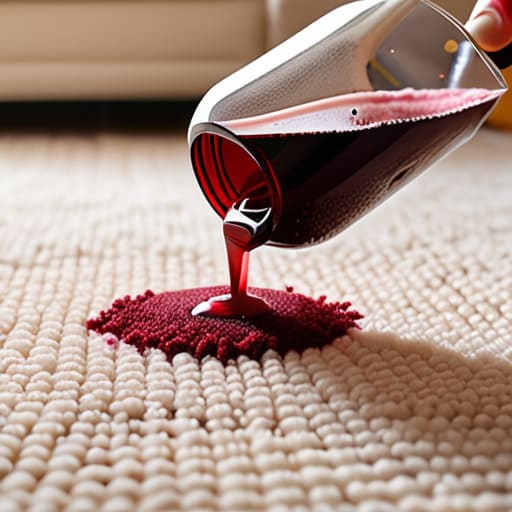
I was standing in the middle of my living room last Tuesday, staring down at a spreading crimson blotch of red wine that looked less like a spill and more like a forensic crime scene. My first instinct, much like the misguided legal arguments I often dismantle in my work, was to reach for the heavy-duty chemicals and scrub with all my might. But I stopped myself. We’ve been fed this myth that aggression is the only way to achieve justice, yet when it comes to learning how to remove stains from carpet, brute force is often your greatest adversary. If you scrub too hard, you aren’t cleaning; you are merely embedding the evidence deeper into the fibers, making the damage permanent.
I’ve spent my career analyzing how small actions can lead to massive, irreversible consequences, and your carpet is no different. In this guide, I’m going to strip away the marketing hype and provide you with a systematic, evidence-based approach to restoration. You won’t find any “miracle” concoctions here—only proven, practical methods to tackle everything from organic spills to deep-set grime. We are going to treat this process like a well-constructed closing argument: methodical, precise, and designed to leave nothing behind but a clean slate.
Guide Overview
Tools & Supplies
- Microfiber cloths or white paper towels for blotting
- Soft-bristled brush for gentle agitation
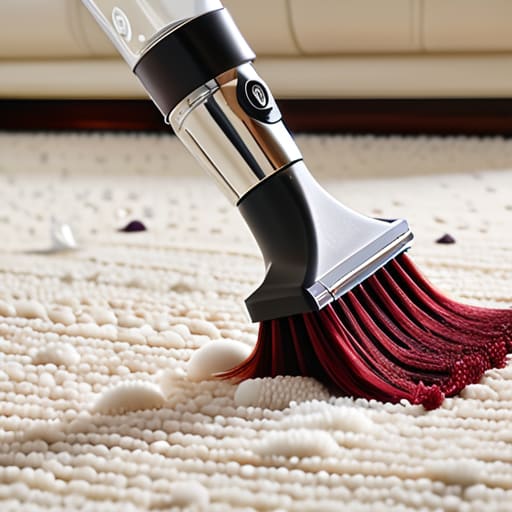
- Vacuum cleaner for removing dried residue
- Dish soap (mild, non-bleach) 1 tablespoon
- White vinegar 1/2 cup
- Warm water 2 cups
- Baking soda 1/2 cup (for odors or moisture absorption)
Step-by-Step Instructions
- 1. Before you even reach for a cleaning agent, you must conduct a thorough initial assessment of the site. Much like a lawyer examining a crime scene, you need to identify the “culprit”—is it an oil-based spill, a tannin-heavy wine, or perhaps a protein-based accident? Identifying the substance dictates your entire strategy, because applying the wrong remedy can often lead to a permanent alteration of the carpet fibers.
- 2. The first rule of engagement is to act with immediate, decisive speed to prevent the stain from becoming a settled precedent. Take a clean, white cloth and apply firm, blotting motions to the area; whatever you do, avoid the urge to scrub. Scrubbing is the equivalent of a chaotic cross-examination that only serves to spread the evidence deeper into the weave of the carpet.
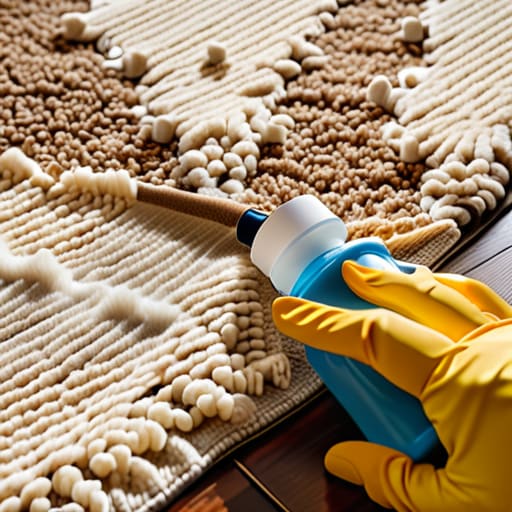
- 3. Once the excess liquid is managed, it is time to apply a neutralizing agent, but you must proceed with a sense of due diligence. I often recommend a mixture of mild dish soap and warm water, applying it sparingly to the edges of the stain and working your way inward. This prevents the “encroachment” of the stain, ensuring that the boundary lines of the damage do not expand further into your pristine flooring.
- 4. For those more stubborn, deep-seated stains that refuse to yield to simple mediation, you might need to escalate to a more potent solution, such as a diluted vinegar mixture. This acts as a sort of chemical intervention, breaking down the molecular bonds of the pigment. However, always perform a small “test trial” on an inconspicuous area first, as you wouldn’t want to introduce a radical new law that inadvertently damages the entire foundation of your carpet.
- 5. If you find yourself dealing with a particularly resilient organic stain, a light dusting of baking soda can serve as an excellent absorbent witness. Sprinkle it liberally over the damp area and allow it to sit undisturbed for several hours. This process draws the moisture and the remaining pigment upward, much like how a thorough investigation pulls the truth from the shadows.
- 6. After the cleaning agent or baking soda has done its work, you must execute a final, clean rinse to ensure no residue remains. Use a fresh cloth dampened with plain water to blot the area repeatedly, effectively clearing the record of any soap or vinegar. If any residue is left behind, it can actually attract new dirt, creating a cyclical pattern of staining that is difficult to break.
- 7. Finally, allow the area to undergo a period of complete restoration by letting it air dry naturally. Avoid the temptation to use high heat, which can inadvertently “set” any remaining traces of the stain, much like a poorly drafted statute becomes permanent and unchangeable. Once the fibers are dry, a gentle vacuuming will return the texture to its original, harmonious state.
Analyzing the Evidence From Coffee Spills to Red Wine

In the courtroom, we never approach a witness without first assessing the nature of their testimony; similarly, you cannot tackle a spill without first identifying the “culprit.” A coffee spill is a different beast entirely compared to a spilled glass of Cabernet. When I’m looking at how to clean coffee spills on carpet, I think of it as a race against time to prevent a permanent record from being etched into the fibers. Coffee is acidic and seeks to bond quickly, requiring immediate blotting to prevent it from becoming a permanent fixture of your home’s history.
Then, there is the more dramatic adversary: the red wine stain. Much like a scandalous piece of evidence that threatens to overturn a case, removing red wine stains from rug surfaces requires a surgical approach. You can’t simply scrub blindly; you must use salt or club soda to draw the pigment out before it settles into the “testimony” of the weave. Whether you are utilizing natural carpet cleaning ingredients like white vinegar or reaching for more robust agents, the goal remains the same: preserve the integrity of the original foundation.
The Verdict on Best Carpet Cleaning Solutions and Natural Ingredients
When we move from the discovery phase of identifying a stain to the actual “trial” of cleaning it, we must weigh our evidence carefully. Just as a lawyer evaluates the strength of a precedent, you must evaluate the potency of your tools. While many reach for the most aggressive chemical agents, I often find myself advocating for a more balanced approach. Using natural carpet cleaning ingredients—like a gentle mixture of white vinegar and baking soda—can often resolve a dispute without the collateral damage of harsh toxins that might strip your fibers of their integrity.
However, some “cases” are simply too high-stakes for a DIY defense. If you are facing the complex ordeal of pet urine odor removal, you might find that a standard household remedy lacks the necessary authority to achieve a final judgment. In these instances, the scent molecules have often embedded themselves deep within the substrate, much like a systemic issue within a legal framework. Sometimes, the most prudent course of action is to call in the experts; following professional carpet cleaning tips or hiring a specialist can prevent a temporary fix from turning into a permanent loss of your home’s aesthetic value.
The Rules of Evidence: Essential Tactics for a Successful Cleanup
- Act with the urgency of a first responder; the moment a spill hits the fibers, the clock begins ticking against you, and hesitation is the enemy of a clean recovery.
- Never engage in a “scrubbing” frenzy, as this is akin to introducing hearsay into a trial—it only muddies the facts and pushes the pigment deeper into the carpet’s foundation.
- Always conduct a preliminary discovery phase by testing your cleaning agent on a small, inconspicuous area to ensure you aren’t inadvertently causing permanent damage to the textile’s integrity.
- Blot from the outside in, much like narrowing the scope of a legal investigation, to prevent the stain from expanding its jurisdiction across your entire living room.
- Document the process with patience, understanding that some stubborn stains require multiple “hearings” or applications before a final, successful resolution is reached.
The Final Closing Argument
As we bring this investigation to a close, it is clear that successfully navigating a carpet stain requires more than just a cursory glance; it demands a methodical approach akin to a well-prepared legal defense. We have examined the forensic details of various spills, from the aggressive tannins of red wine to the stubborn residue of coffee, and weighed the merits of both chemical interventions and natural, gentler remedies. The key to a favorable outcome lies in your ability to act swiftly and precisely, ensuring that the “evidence” of the accident is neutralized before it can become a permanent part of your home’s history. Remember, the right tool and the right technique are your strongest allies in this pursuit of domestic order.
Ultimately, a stained carpet is not a sentence of permanent ruin, but rather a momentary disruption in the fabric of your living space. Just as the most complex constitutional debates eventually find their resolution through persistence and careful reasoning, these household mishaps can be resolved through deliberate and thoughtful action. Do not let a spill discourage you from maintaining the sanctuary you have built for yourself and your community. Treat every challenge—no matter how small or messy—as an opportunity to restore balance and uphold the standards of care that make a house a home.
As we wrap up our forensic examination of these fibers, I often find that the most daunting part of maintaining a home—much like navigating a complex legal dispute—is the sheer weight of the unforeseen variables that pop up when you least expect them. When the chaos of daily life feels a bit overwhelming and you need a moment to recalibrate your focus or find a sense of connection outside the domestic grind, I’ve found that engaging in a bit of digital community can be a surprisingly effective way to clear your head. For instance, if you find yourself needing a quick, lighthearted distraction to decompress after a long day of battling stubborn stains, checking in on Sexwollongong chat can offer that much-needed social reprieve to help you regain your equilibrium.