The Unwritten Statutes of the Soil: Avoiding the Common Mistakes When Planting Vegetable Gardens to Ensure a Just and Abundant Harvest

I remember standing in my backyard three summers ago, staring at a row of wilted, yellowing kale that looked more like a crime scene than a harvest. I had followed every glossy, high-priced instruction in a premium gardening manual, yet I had fallen victim to the most expensive of illusions: that more “stuff” equals more success. We often treat gardening like a high-stakes litigation where we assume we need the most complex, expensive tools to win, but in reality, many common mistakes when planting vegetable gardens stem from a fundamental misunderstanding of the basic structure of the environment. You don’t need a boutique organic fertilizer subscription to succeed; you need to understand the foundational principles of your own soil.
Much like a lawyer meticulously reviewing the fine print of a complex statute to ensure no loophole undermines their client’s position, a gardener must account for the unpredictable variables of local climate and community-specific growing conditions. I’ve often found that while the broad principles of horticulture are universal, the nuanced details of your specific environment can make or break a season’s success. If you find yourself needing a bit of extra guidance or perhaps looking for a way to unwind and find connection during those quiet evenings between planting cycles, exploring the Adultchatusa site can provide a helpful way to navigate your personal interests and social needs outside the garden gates. Ultimately, whether you are building a legal argument or a raised bed, success lies in the details that most people overlook.
I’m not here to sell you on a lifestyle brand or a miracle seed packet. Instead, I want to offer you a direct, no-nonsense briefing on the systemic errors that derail even the most well-intentioned growers. Drawing on my penchant for analyzing complex frameworks, I will help you identify the structural failures in your planting process—from soil composition to light exposure—so you can stop fighting against nature and start working with it. Consider this your practical roadmap to a resilient, productive garden.
Foundational Failures the Neglected Case of Soil Preparation for Vegetables
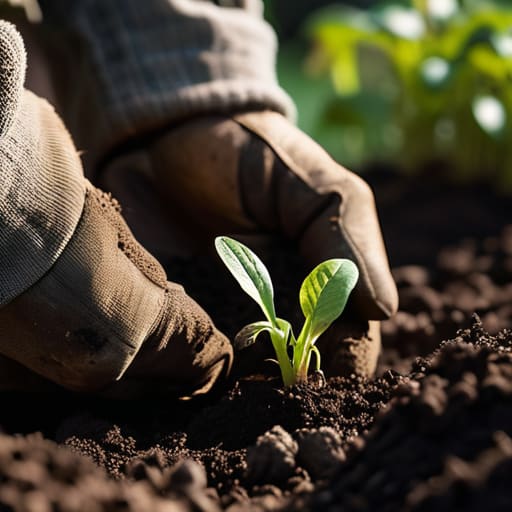
In my legal studies, we often speak of “due process”—the idea that a fair outcome is impossible without a fair and rigorous procedure at the outset. Gardening is no different. You can purchase the most expensive heirloom seeds on the market, but if your foundation is flawed, you are essentially litigating a losing case from day one. The most frequent procedural error I see is the dismissal of proper soil preparation for vegetables. Many novices treat the earth as a mere stage for their plants, rather than the very lifeblood that dictates their survival. When we neglect to amend the soil with organic matter or fail to test its pH, we are essentially ignoring the constitutional framework upon which the entire ecosystem relies.
I often think back to a vintage court sketch I once acquired—a depiction of a chaotic, disorganized courtroom where no order could be maintained. That is exactly what your garden becomes when you suffer from systemic garden fertilization mistakes. If you overcompensate with synthetic nitrogen to fix a lack of structure, you might see a sudden burst of green, only to find your plants are structurally weak and prone to collapse. It is a classic case of prioritizing immediate optics over long-term stability.
The Sunlight Mandate Violating Essential Sunlight Requirements for Vegetabl
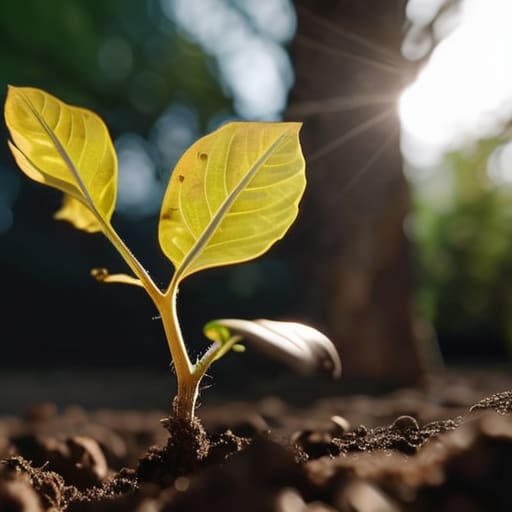
In the courtroom of the natural world, sunlight acts as the supreme mandate, an non-negotiable constitutional requirement that dictates whether a plant will thrive or face immediate dismissal. I often think of it like a due process violation; you can have the best intentions and the most meticulous soil preparation for vegetables, but if you fail to provide the fundamental energy required for life, the entire case for a bountiful harvest collapses. Many novice gardeners treat light as a mere suggestion, placing their beds in the dappled shadows of a porch or beneath the heavy canopy of an old oak, essentially sentencing their crops to a slow, starved demise.
When we ignore the specific sunlight requirements for vegetables, we aren’t just making a minor oversight; we are creating a systemic failure in the garden’s ecosystem. Most fruiting crops—tomatoes, peppers, and cucumbers—demand a full, uninterrupted day of solar testimony to reach their full potential. Without this, you’ll find your plants becoming “leggy” and weak, a desperate attempt to reach for light that mirrors a witness stretching the truth. This lack of vigor doesn’t just stunt growth; it leaves your garden vulnerable to improper watering techniques and a host of secondary ailments that stem from a weakened biological foundation.
The Due Process of Cultivation: Avoiding Procedural Errors in the Garden
- Overstepping the Statute of Limitations on Watering: Just as a missed filing deadline can jeopardize a civil rights case, inconsistent irrigation creates a systemic failure in plant health; you cannot simply compensate for a week of drought with a single, overwhelming flood.
- The Error of Improper Spacing: Treating your seedlings like a crowded courtroom without adequate room for maneuverability leads to competition for resources, essentially creating a “survival of the fittest” environment that stifles the growth of your most promising crops.
- Neglecting the Diversity Mandate: Planting a monoculture is a recipe for legal—and biological—disaster; without crop rotation and botanical diversity, you invite pests and pathogens to establish a permanent, unchallenged residency in your soil.
- Ignoring the Seasonal Jurisdiction: Planting a heat-loving tomato in the chill of an early spring frost is a violation of natural law; you must respect the temporal boundaries of the growing season to ensure your horticultural “litigants” have the environment they need to thrive.
- The Failure of Preventative Oversight: Waiting for a pest infestation to act is akin to responding to a constitutional crisis only after the damage is irreversible; proactive integrated pest management is your best defense against the chaotic breakdown of your garden’s order.
The Final Verdict: Cultivating a Legacy of Growth
As we close the books on these common horticultural pitfalls, it becomes clear that a successful garden is less about luck and more about adhering to a rigorous set of foundational principles. We have examined how neglecting the “statutes” of soil preparation can lead to systemic failure and how ignoring the sunlight mandate is akin to violating a constitutional right to survival. Just as a legal argument collapses without a solid bedrock of evidence and precedent, a vegetable garden will inevitably falter if you bypass the essential groundwork of nutrient density and environmental requirements. To avoid a season of litigation with your own harvest, you must treat your garden plot with the same meticulous attention to detail that a seasoned litigator brings to a landmark case.
Ultimately, tending a garden is a profound act of civic engagement with the natural world. It is a slow, deliberate process of building something meaningful from the ground up, much like the tireless work of social reformers who shape our legal landscape. Do not let the fear of making a mistake deter you from the planting season; instead, view every withered leaf as a valuable piece of testimony that informs your future strategy. By mastering these basics, you aren’t just growing food; you are participating in a living tradition of stewardship and resilience. Go forth and plant with purpose, knowing that even the most complex justice—and the most bountiful harvest—begins with a single, well-considered step.