
Digital Divide: Bridging the Gap in Tech Access

In 2021, it was found that 14.5 million Americans do not have good internet at home. This shows a big problem in our country called digital inequity. It means not everyone gets to use the internet and technology the same way, due to different reasons like where they live or how much money they make.
People living in the countryside, those with less money, and groups that often get overlooked suffer the most. They don’t have strong internet or even enough money to buy a smartphone. A study by Pew Research Center says 24% of adults with less than $30,000 yearly don’t have a smartphone.
Not having tech or online access keeps people from getting to important services, learning new things, finding jobs, and staying informed. We need to work on making tech available for everyone. This means more internet in different places, teaching tech skills, and making sure the internet is affordable. This will help everyone have the same chance to use technology.
Understanding the Digital Divide
The term “digital divide” first focused on who had telephone access. Now, it looks at who can get online and use Information and Communication Technology (ICT), especially broadband.
The digital divide shows up between city and country areas, different education and income levels, and between rich and poor countries. For example, in 2022, 80% of Europeans could use the internet but only 22% of Africans. This big gap shows the wider issues of wealth and digital access.
Cities usually have better internet than rural spots. There, people have about double the internet use. In the U.S., 5 million rural homes can’t get broadband. Even in cities, 15.3 million Americans are without good broadband.
Money matters a lot for internet access. A study found that 40% of people making less than $30,000 yearly don’t have broadband or a computer at home. About 24% don’t even have a smartphone. Without internet, it’s harder for these people to catch up in society and economy.
Internet speeds vary greatly around the world. Some countries, like Venezuela and Egypt, have very slow internet. This slow internet makes it tough for these countries to grow and join the world’s digital economy.
There are efforts to fix the digital divide, like the $65 billion from the Infrastructure Investment and Jobs Act. This act aims to close the digital gap. The U.N. also tries to help with events like World Information Society Day.
Making sure everyone can access the internet is key to fair growth. With more cities becoming “smart,” it’s even more important to keep the digital gap from getting bigger. High-speed internet matters for school, jobs, and more. Better broadband access and making sure everyone can use ICT are important for true Internet Equity.
Factors Contribiting to the Digital Divide
The digital divide remains because of many linked factors. Each one limits digital access and increases connectivity gaps. Knowing these factors helps create good solutions.
Socioeconomic Status
Socioeconomic status is key in digital access. Rich people can buy the newest devices and fast internet. Poor people have trouble affording them. This limits their digital world access. High education means better tech skills. So, those with less money and education fall behind.
Geographic Location
Where you live affects your digital access. Rural areas often don’t have the needed tech setup. They have slow internet and less broadband. This makes it hard for rural folks to use digital services. Even crowded cities can lag if their tech is old.
Age and Education Level
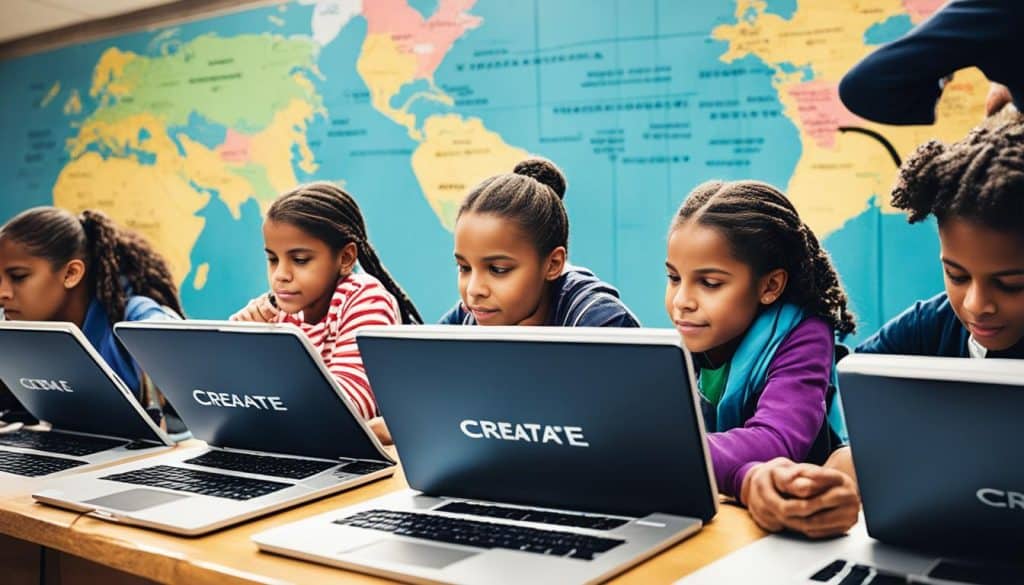
Age and education also impact the digital divide. Older people might struggle with new tech. They might think tech doesn’t fit in their lives. People with less education might not know how to use digital tools. This leaves many out of the benefits of education and technology.
Fixing this issue needs focused efforts. We need to make sure everyone has equal access. And, we must boost digital skills for all, closing the digital gap.
The Impact of Limited Technology Access
Limited technology access affects different parts of society. It leads to big gaps in education, jobs, and basic services. This is especially true in areas that don’t have enough tech resources. There, people find it hard to learn online or improve their digital skills.
Educational Disparities
Having fast internet at home is key for students to keep up in digital learning. Yet, 17% of students can’t do homework because they lack internet. This problem is worse for low-income families. About 50% of them don’t have the tech needed for online learning.
Ethnic differences also play a role. For example, 27% of American Indian, 19% of Black, and 17% of Hispanic students don’t have good internet. This digital divide makes educational gaps worse. It increases inequality.

Employment Opportunities
Limited tech also impacts jobs. People without digital skills or the internet are at a big disadvantage in today’s job world. Without a computer or internet, many find it hard to apply for jobs or get online training. Overcoming this requires efforts to include everyone in the digital job market.
Access to Essential Services
With limited technology, accessing key services becomes tough. People can’t use online health care, government help, or manage money online. For example, many low-income families struggle to pay for internet and phones. This stops them from joining the digital world fully. Thus, enhancing digital access and skills is crucial to lessen these problems.
Efforts to Enhance Technology Access
Billions around the world are affected by the digital divide. This has led to initiatives aimed at improving technology access. Digital Inclusion Strategies focus on fair access for everyone. UNESCO’s research shows that about 54.8% of households worldwide have internet, leaving nearly 45% without.

Community Internet Programs are key, especially in areas with limited services. They provide affordable, dependable broadband. For example, 123NET’s Project OVERCOME in Detroit helps by offering fast, low-cost internet and educational programs.
Public-private partnerships are crucial in this effort. They combine resources from governments, nonprofits, and businesses to create lasting solutions. This collaboration helps improve infrastructure, bringing high-speed internet to rural and underprivileged areas.
Technology Equity is a significant issue, especially for marginalized groups. UNESCO notes that up to 40% of American students from minority backgrounds struggle with digital literacy. Women in Africa, Asia, and South America use the internet far less than men, showing a wide gender gap.
Good policies are key to overcoming these challenges. Initiatives like IDEA 2030 focus on improving internet infrastructure and digital skills, showing government dedication. They use specific goals to measure success in closing the digital divide.
Investing in community training is also critical. It boosts digital skills, helping people thrive in today’s economy. UNICEF reports nearly 1.3 billion children don’t have home internet, highlighting the need for educational programs.
For better digital access, technology and internet services must be affordable. Solutions like subsidies and free access programs help make technology accessible to everyone, leading to a digitally inclusive society.
The Role of Digital Literacy in Bridging the Divide
Today, as the digital world grows, it’s crucial to improve digital literacy. This helps close the technology gap and promotes empowerment through technology. Many programs work to boost digital understanding across different groups.
Community-Based Training Programs
Training sessions in the community are key to boosting digital knowledge in less-served regions. They offer hands-on experience with cutting-edge tech. For example, there’s $30 million over five years to help CDFIs and MDIs. This money updates their systems and grows their ability to give these trainings.
Integration of Digital Literacy in Education
Making digital literacy a big part of school programs is picking up speed. Schools see how crucial tech skills are for students. They’re adding more digital tools and teaching to the mix. This effort helps nearly 9 million K-12 students get tech they can’t otherwise afford.
HBCUs, often in places with little internet, will really benefit from better digital education. This supports accessible computing education and narrows the tech divide.
Digital Literacy Resources for Diverse Populations
There are many digital literacy resources for different people. They offer materials that respect different cultures. This helps everyone, even those in remote areas with scant internet, use the digital world better. There’s $10-15 million for improving systems and tech. This underscores the value of accessible computing education for all.
Global Strategies for Digital Inclusion
Efforts to bridge the digital divide include international connectivity efforts. They aim for inclusive tech access. Currently, 2.7 billion people around the world don’t have internet access. This is a big chunk of the world’s population. In Africa, where only 40% can get online, the need for action is urgent. The United Nations takes steps with things like World Information Society Day. This helps make more people aware and encourages action to close the digital gap. The good news is, in 2020, the internet welcomed 466 million new users.
The push for global smart cities highlights the need for tech advancement with fair access. Take India’s Smart Cities Mission as an example. It shows a well-rounded way to make digital options open to everyone. These types of programs show how using policy changes, partnerships, and local efforts can make tech access a right, not a privilege. The gap in internet use between city and rural areas grew in 2021. This makes the push for equitable tech access even more critical.
We also need to fix the gap in tech use between different groups of people. In 2022, 264 million more men were online than women. Women are less likely to have a mobile phone or use mobile internet. To fix this imbalance, digital pioneers should make policies that focus on using data well, getting communities involved, and improving digital skills. These steps are part of a bigger plan to include more people in the digital world. By working together, governments, tech companies, and community groups can make a more connected, fair world.