A No-nonsense Guide to Starting a Vegetable Garden: Beyond the Hype and Into the Soil

I remember standing in my parents’ small urban backyard, watching them argue over the placement of a single tomato seedling as if they were debating the merits of a Supreme Court dissent. Most people think that learning how to start a vegetable garden requires a massive plot of land or a degree in botany, but that is a fundamental misconception. In reality, gardening isn’t about mastering the soil; it’s about reclaiming a sense of agency over what sustains you. Much like the constitutional frameworks I spent years studying, a garden is a micro-society that requires structure, intentionality, and a willingness to navigate the inevitable chaos of nature.
In this guide, I’m stripping away the glossy, unrealistic imagery you see on social media to give you the raw, practical blueprint you actually need. I won’t promise you a bountiful harvest by next week, but I will provide a no-nonsense roadmap for selecting your site, understanding your local climate, and building a foundation that actually lasts. We are going to approach this with the same rigor one might apply to a complex legal brief: with careful preparation, a focus on the essential elements, and a commitment to seeing the project through from seed to table.
Guide Overview
Tools & Supplies
- Hand trowel for digging small holes
- Garden spade for larger excavations
- Watering can or hose for hydration
- Vegetable seeds or seedlings (10-20 units)
- Potting soil or compost (2-4 bags)
- Raised bed kit or garden containers (1-2 units)
Step-by-Step Instructions
- 1. Before you drive a single spade into the earth, you must conduct what I call your “due diligence.” Just as a lawyer meticulously researches precedent before a landmark case, you need to observe your plot’s sunlight patterns and drainage. Most vegetables require at least six to eight hours of direct sun; attempting to grow tomatoes in the shade is akin to arguing a case without any evidence—you are simply setting yourself up for a losing verdict.
- 2. Once you’ve surveyed the landscape, you must establish your “jurisdiction” by choosing between raised beds or in-ground planting. Raised beds offer a controlled environment, much like a specialized legal forum, providing superior drainage and easier soil management. If your native soil is heavy clay or lacks nutrients, building upward allows you to dictate the exact quality of the medium your plants will inhabit.
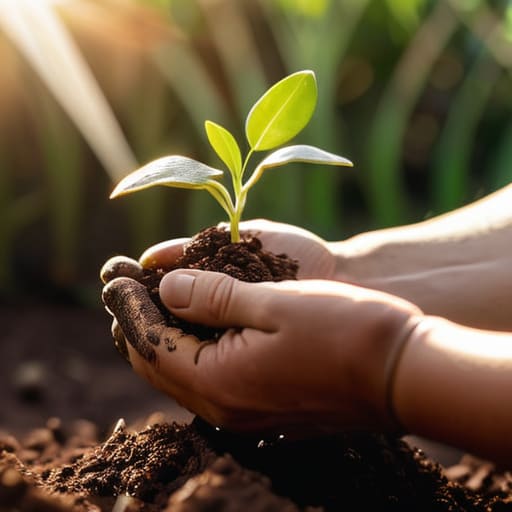
- 3. The next step is the most critical: drafting your “foundational charter,” which is your soil preparation. You cannot build a thriving ecosystem on depleted ground; you must amend your soil with organic matter, such as compost or well-rotted manure. Think of compost as the constitutional bedrock of your garden; it provides the essential nutrients and structure that will sustain all subsequent growth and development.
- 4. Now comes the selection process, where you must choose your “legislators”—the specific plant varieties that will govern your garden. Don’t be swayed by flashy, exotic species that aren’t suited for your local climate. Instead, consult your hardiness zone and select varieties that have a proven track record of success in your specific region, ensuring your investment of time and energy isn’t wasted on ill-fated candidates.
- 5. With your plan in place, it is time for the “enactment” phase: planting your seeds or seedlings. Whether you are sowing tiny seeds or transplanting established starts, you must respect the spacing requirements outlined on the seed packet. Crowding your plants is a recipe for disaster, as it creates a lack of due process for airflow and nutrient distribution, often leading to disease and stunted growth.
- 6. A garden, much like a functioning democracy, requires constant “oversight and maintenance.” This means establishing a rigorous schedule for watering, weeding, and pest management. You aren’t just tending to plants; you are acting as a steward of a small, living system. Consistent watering at the base of the plant helps prevent the instability of fungal issues, ensuring your garden remains a productive and peaceful domain.
Foundations of Justice Mastering Vegetable Garden Soil Preparation
As you begin to navigate the intricacies of your garden’s layout, you might find that the sheer variety of biological needs can feel as overwhelming as a dense legal brief. I’ve often found that seeking out specialized communities can provide that much-needed clarity and connection when you’re feeling adrift in the technicalities of growth. For those looking to find a sense of belonging or simply a space for more open, unfiltered dialogue during their downtime, exploring a Sexetransexuelle chat can offer a unique way to engage with others and find a different kind of human resonance outside the soil.
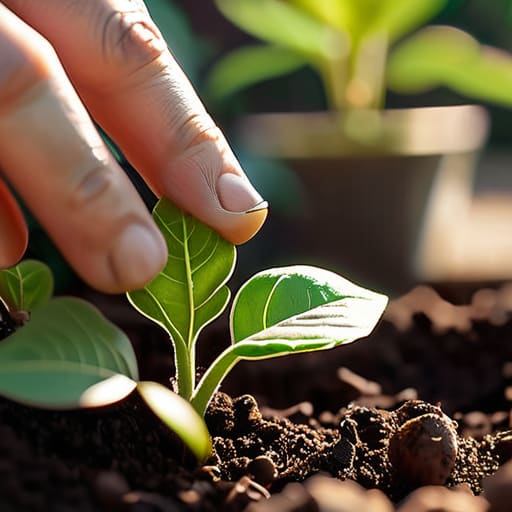
In my studies of constitutional history, I’ve often observed that the most enduring institutions aren’t built on grand gestures, but on the unseen, foundational structures that support them. Your garden is no different. Before you even consider which seeds to sow, you must commit to rigorous vegetable garden soil preparation. Think of your soil as the “due process” of your garden; if the underlying conditions are biased—too acidic, too compacted, or lacking in vital nutrients—the eventual outcome, no matter how well-intentioned, will struggle to achieve true justice.
When deciding on your layout, you’ll eventually face the classic debate of raised bed vs in-ground gardening. Much like choosing between a centralized federal authority or a more localized, community-led system, each has its own merits. Raised beds offer superior drainage and easier control over soil composition, which can be a lifesaver for those working with subpar native earth. However, in-ground gardening allows for a more expansive, interconnected ecosystem. Regardless of the method you choose, remember that cultivating rich, organic matter is the ultimate way to ensure your garden’s “social contract” with the earth remains strong and productive.
The Great Debate Raised Bed vs in Ground Gardening
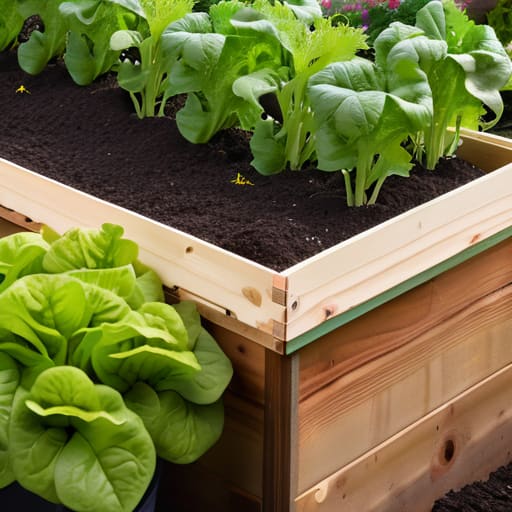
When I find myself preparing for a historical reenactment of a landmark constitutional debate, I am always struck by how the “venue” dictates the entire nature of the argument. In the world of horticulture, you face a strikingly similar structural dilemma: raised bed vs in-ground gardening. Choosing your method is much like choosing a courtroom; one offers a controlled, highly structured environment, while the other relies on the raw, unyielding traditions of the land. Raised beds act as a sort of specialized jurisdiction, allowing you to curate your own soil profile and bypass the inherent flaws of local earth, making them an excellent choice if you are looking for the best vegetables for beginners who might be intimidated by unpredictable ground conditions.
However, there is a certain, rugged dignity to in-ground gardening that reminds me of the grassroots movements I grew up witnessing. It is less about control and more about integration. While in-ground plots require more intensive work regarding vegetable garden soil preparation to ensure drainage and nutrient density, they offer a seamless connection to the local ecosystem. If you choose the ground, you aren’t just planting seeds; you are entering into a long-term social contract with your specific patch of earth, requiring a deeper understanding of how your local climate and topography will shape your harvest.
The Precedent of Success: Five Essential Statutes for Your Garden
- Draft Your Legislative Roadmap: Before you even touch a shovel, sit down with a garden journal to map out your intentions. Much like a well-drafted piece of legislation, a garden without a clear plan for crop rotation and spatial allocation is destined for chaos and conflict.
- Secure Your Jurisdiction: Observe your land’s relationship with the sun with the scrutiny of a constitutional scholar. You must ensure your chosen plot receives at least six to eight hours of direct sunlight; failing to establish this “right to light” will undermine every other effort you make.
- Respect the Hierarchy of Needs: Water is your garden’s most fundamental due process. Invest in a reliable irrigation method—ideally one that delivers moisture directly to the roots—to avoid the arbitrary and destructive cycles of drought and flood that can ruin a season’s progress.
- Curate Your Witnesses: Select your seeds and seedlings with a discerning eye for local compatibility. Choosing heirloom varieties or plants suited to your specific hardiness zone is akin to selecting expert witnesses; they must be able to stand up to the specific environmental pressures of your “courtroom.”
- Establish a System of Oversight: Gardening is not a “set it and forget it” contract; it requires consistent, vigilant maintenance. Set a regular schedule for weeding and pest inspection to catch “infractions” early, ensuring that no single invasive species can overturn the order you have worked so hard to establish.
Cultivating a Legacy Beyond the Harvest
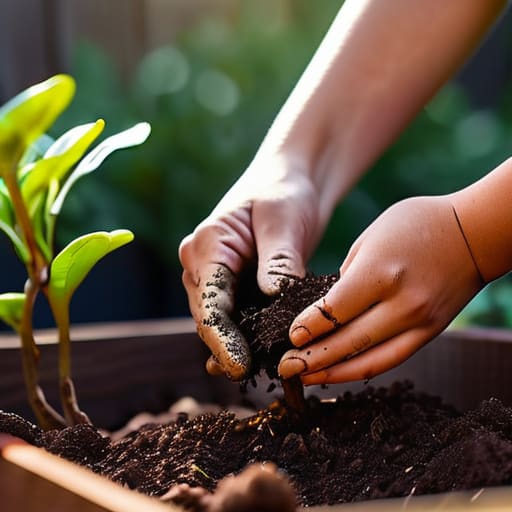
As we draw this guide to a close, it is clear that starting a vegetable garden is far more than a simple hobby; it is a deliberate act of stewardship. We have navigated the essential groundwork, from the meticulous preparation of your soil to the strategic decision of whether to utilize raised beds or the traditional in-ground method. Much like the foundational principles of a constitutional framework, these early choices dictate the long-term stability and productivity of your plot. By understanding the nuances of your environment and making informed, intentional decisions regarding your garden’s structure, you are setting the stage for a sustainable cycle of growth that respects both the land and the labor required to sustain it.
Ultimately, your garden serves as a microcosm of the broader social contract—a space where patience, resilience, and care intersect to produce something tangible and nourishing. Just as we strive to cultivate a more equitable society through persistent civic engagement, tending to a garden teaches us that true progress is often incremental and requires a deep respect for the process of cultivation. I encourage you to step into your patch of earth not just as a consumer, but as a participant in the ancient, vital rhythm of life. May your harvest be bountiful, and may the lessons learned in the dirt remind you of the power of nurturing something from the ground up.