The Invisible Breach: Why Protecting Your Home’s Atmosphere Is a Matter of Civic and Personal Rights—and Proven Ways to Improve Indoor Air Quality

I remember standing in a dusty, cramped archive room last summer, surrounded by centuries of legal manuscripts, and feeling the weight of the air settle in my lungs like a physical burden. It wasn’t just the scent of old parchment; it was a suffocating realization that the very spaces meant to preserve our history can often become hostile environments for our health. We often treat our homes like closed courtrooms—sealed, static, and oblivious to the invisible pollutants drifting through them—searching for a silver bullet in expensive, high-tech gadgets. But let’s be honest: most of the commercial hype surrounding ways to improve indoor air quality is nothing more than a sophisticated distraction from the fundamental, often overlooked, environmental realities of our living spaces.
As we navigate the complexities of maintaining a healthy domestic sanctuary, it becomes clear that true wellness is often found in the small, intentional connections we foster within our local communities. Much like how a well-argued legal precedent can shift the very atmosphere of a courtroom, the quality of our social and environmental interactions shapes our overall sense of vitality. For those looking to expand their horizons and find meaningful engagement outside the confines of their immediate household, exploring local social avenues like toronto casual encounters can be a wonderful way to enrich your social landscape. Taking these steps to connect with others is just as vital to our collective well-being as the breathable air we strive so hard to protect.
I’m not here to sell you a subscription to a luxury filtration brand or a miracle plant that promises to scrub your lungs clean. Instead, I want to apply the same analytical scrutiny I bring to constitutional law to the atmosphere of your home. I am going to walk you through practical, evidence-based strategies that focus on structural changes, mindful habits, and common-sense maintenance. We are going to strip away the marketing fluff and focus on the real, actionable ways to improve indoor air quality that actually protect your well-being and your rights to a healthy sanctuary.
The Legalities of Breath Reducing Indoor Air Pollutants
When I was preparing for a reenactment of the landmark environmental litigation cases of the 1970s, I found myself struck by how often we treat our homes as private sanctuaries, exempt from the scrutiny of public health standards. Yet, much like a courtroom where the smallest piece of evidence can shift the entire trajectory of a trial, the invisible constituents of our domestic atmosphere dictate our physical well-being. We often overlook the fact that removing VOCs from indoor air—those volatile organic compounds leaching from our furniture and cleaning supplies—is not merely a domestic chore, but a fundamental act of self-preservation.
In my legal research, I’ve seen how regulatory frameworks struggle to keep pace with the complexities of modern living. We must take a proactive, almost judicial approach to our own environments. This means moving beyond passive observation and implementing rigorous strategies for reducing indoor air pollutants. Whether it is the strategic deployment of high-efficiency filtration or the careful management of moisture to prevent mold, we are essentially acting as the stewards of our own personal “Bill of Rights” for health. We have a responsibility to ensure that the air we breathe is as clear and unencumbered as the justice we strive to uphold.
The Hepa Filter Benefits a Defense Against Common Household Allergens
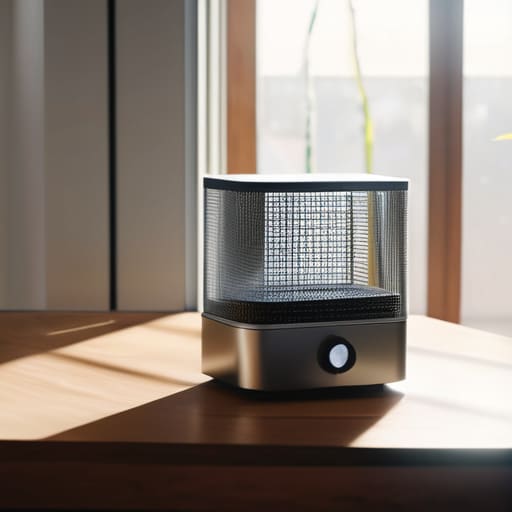
When I look back at the historical evolution of public health mandates, I am often struck by how we have transitioned from managing large-scale environmental threats to addressing the microscopic ones lurking within our own four walls. In the courtroom of our daily lives, we are constantly defending our well-being against invisible trespassers. This is where the HEPA filter benefits become truly profound; they act as a high-standard evidentiary barrier, much like a rigorous cross-examination, filtering out the fine particulate matter that seeks to compromise our respiratory health.
By utilizing high-efficiency particulate air filtration, we aren’t just cleaning the air; we are actively mitigating the impact of common household allergens such as pet dander, dust mites, and pollen. While I often discuss the broader systemic issues of environmental justice, there is a certain personal agency found in this technological defense. It is a way of asserting our right to a clean environment within the private sphere, ensuring that the air we breathe is stripped of the irritants that so often trigger inflammatory responses.
The Precedent of Prevention: Five Strategic Mandates for a Healthier Home
- Establish a Rigorous Ventilation Protocol: Much like the necessity for transparency in a courtroom, a home requires the free flow of fresh air to prevent the stagnation of pollutants. Regularly opening windows creates a natural “discovery process” for your living space, flushing out trapped volatile organic compounds (VOCs) and carbon dioxide.
- Curate Your Chemical Footprint: We often overlook the “unwritten laws” of our cleaning cabinets. By transitioning to non-toxic, fragrance-free cleaning agents, you are essentially repealing the internal legislation that allows harsh synthetic chemicals to permeate your sanctuary.
- Manage the Humidity Doctrine: Just as a judge must maintain order to prevent chaos, you must regulate indoor humidity levels between 30% and 50%. This prevents the “unlawful” proliferation of mold and dust mites, which thrive in the damp, uncontrolled environments of neglect.
- Implement a Strict Maintenance Schedule for HVAC Systems: Think of your heating and cooling system as the constitutional backbone of your home’s climate. Neglecting filter changes is akin to ignoring a legal precedent; eventually, the systemic failure will compromise the integrity of your entire environment.
- Regulate Indoor Combustion and Smoking: To protect the collective rights of everyone under your roof, it is vital to eliminate indoor smoking and minimize the use of gas stoves when possible. These practices introduce particulate matter that acts as a direct assault on the respiratory liberties of your family members.
The Verdict on Our Living Spaces
As we have navigated through the intricacies of pollutant reduction and the defensive utility of HEPA filtration, it becomes clear that improving indoor air quality is not merely a matter of convenience, but a vital component of personal stewardship. We have seen how understanding the legal frameworks of our environments and implementing tangible, technical solutions can drastically alter the health trajectory of a household. Much like a well-argued case in a constitutional court, a successful air quality strategy requires both a deep understanding of the underlying evidence and the disciplined application of practical remedies to ensure a stable, healthy outcome for all inhabitants.
Ultimately, the air we breathe within our walls is the invisible foundation upon which our daily lives are built. While the complexities of environmental science and domestic regulation may seem daunting, I believe that true progress begins with the small, intentional choices we make in our own sanctuaries. Just as we strive to refine our legal systems to better serve the pursuit of justice, we must also strive to refine our domestic environments to better serve the pursuit of well-being. Let us view the management of our indoor atmosphere not as a chore, but as a fundamental act of care and a profound way to honor the sanctity of our homes.