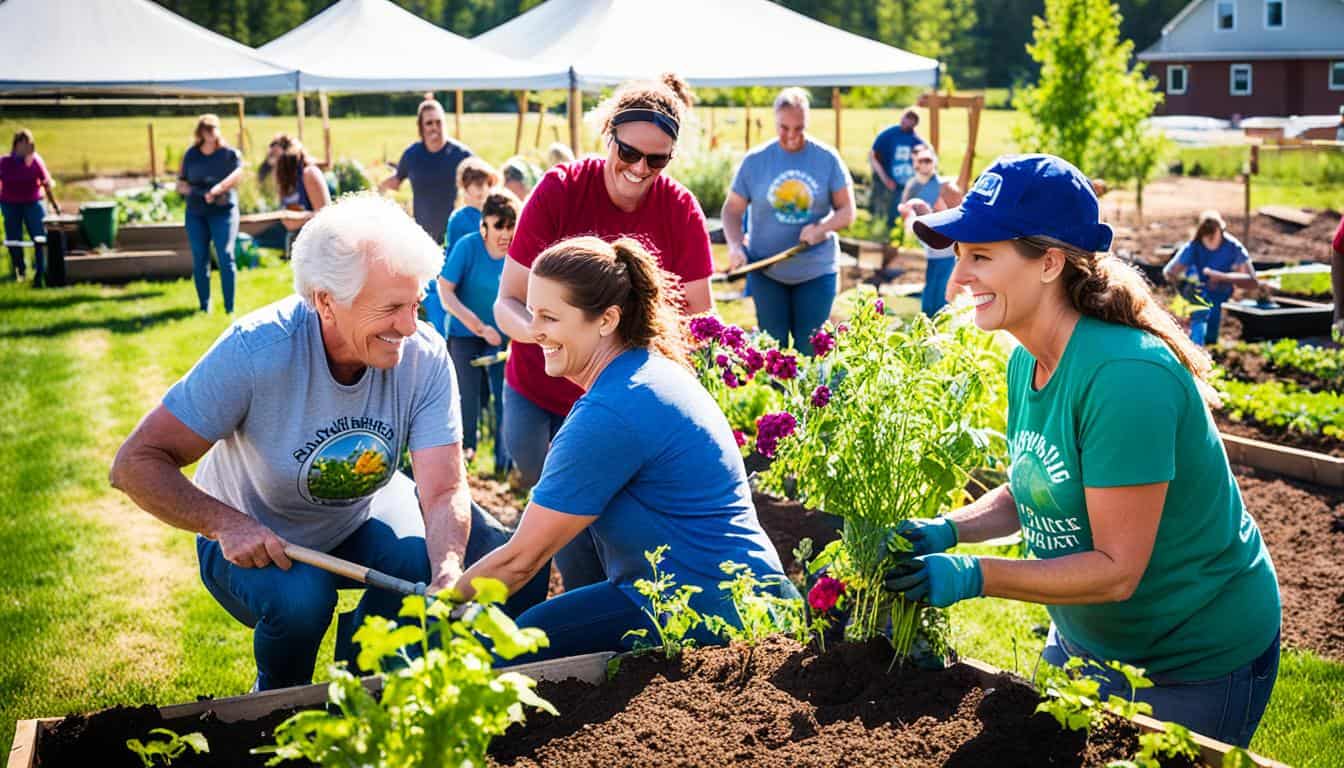
Rural Development: Building Stronger Communities

Did you know 19% of the U.S population calls rural areas home? Yet, these areas have a high number of roadway deaths, making up 45% of the country’s total. This situation highlights the need for improved rural development. Thanks to the Bipartisan Infrastructure Law (BIL), $72 billion is going towards transportation grants. Also, $2 billion is for the Rural Surface Transportation Grant Program. These efforts aim to improve transportation and overall community life. The Biden-Harris Administration is focusing on climate change, fairness, and creating opportunities. These steps are key to sustainable growth and better rural communities.
Local governments need to be more than administrators. They should lead and fight for their communities. Rural development is about meeting urgent needs and building economic strength. This approach brings empowerment and unites rural America.
The Rural Community Leadership initiative is making a big difference. It offers 32 hours of training, worth over $2,500, to each participant. In just two years, it turned a 66% drop in community involvement into a 92% rise in teamwork among local groups. Programs like this are crucial for nurturing leaders who can ensure sustainable growth. Exploring rural development shows the strong commitment to making rural areas thrive.
Understanding the Rural/Urban Divide
Understanding the gap between rural and urban areas is key to knowing life in America. The Rural Urban Bridge Initiative, made with the help of Progressive Democrats of America, highlights this issue.
Economic Discrepancies Between Rural and Urban Areas
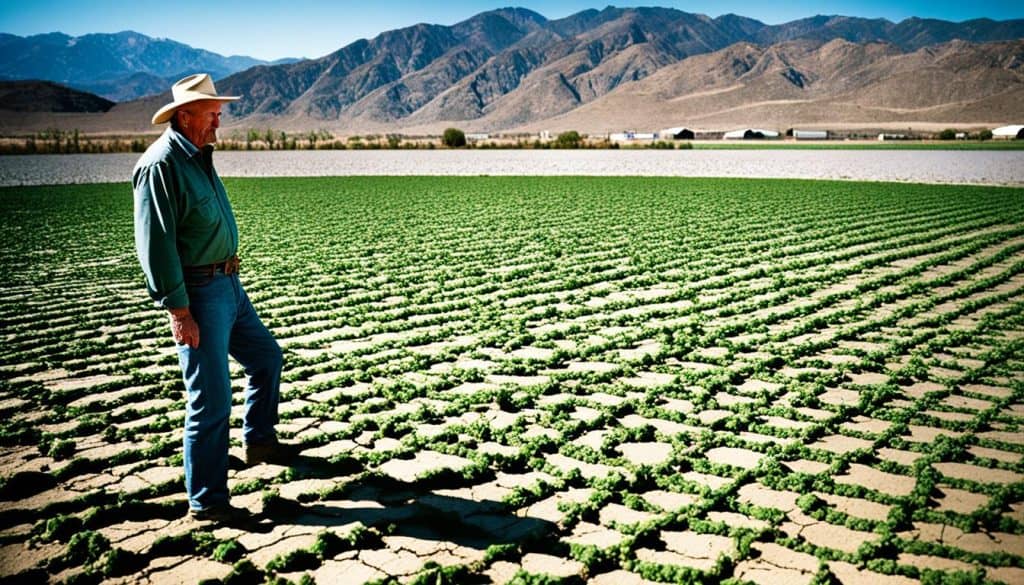
Economic differences between rural and urban places are clear. Counties that voted for Biden make 70% of the nation’s GDP. They show the economic power of urban areas. On the other hand, rural counties, with 84% facing constant poverty, lag behind. These areas, despite offering critical services like food and absorbing CO2, suffer from losing industries, people, and family farms.
Social and Cultural Differences
Rural and urban areas also differ socially and culturally. About 21% of rural folks are people of color. These areas have rich cultures but often struggle economically. It’s important to talk and understand each other’s views. The Rural New Deal aims to focus on the needs of the rural poor and working class.
Public Policy Impact
Local government policies usually don’t solve rural problems well. This adds to the gap between rural and urban areas. The report says changing harmful trade and farm policies could really help rural places. Also, putting money into rural groups and including rural voices in schools, media, and the arts is vital.
“People and organizations are working to reclaim narratives, shift capital and ownership, and create systems to share successful strategies,” notes the report, emphasizing the need for transformative policies responsive to rural needs.
Economic Growth in Rural Communities
To boost economic growth in rural places, we must focus on small businesses and local jobs. By working together, we can build a strong local economy. This helps keep wealth in the community.
Small Business Development
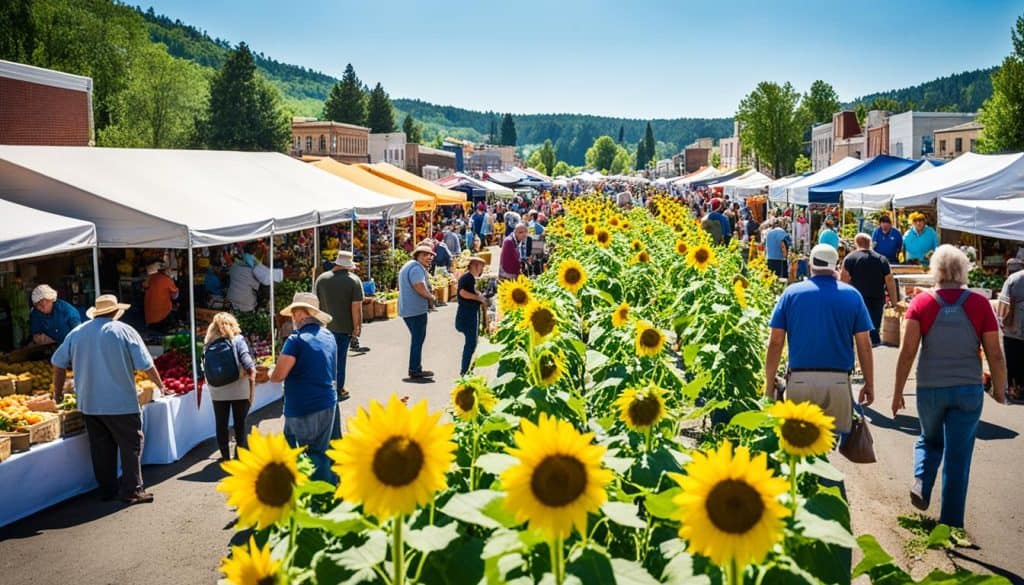
Small businesses are key to rural economic growth. They create jobs and support the local economy. Most new jobs in rural areas come from the service and retail sectors.
We need to help small businesses in rural areas succeed. Providing training and resources is crucial to close the urban-rural gap.
Local Entrepreneurship
Local entrepreneurs bring innovation and help economies stay strong. They solve community problems and create jobs. Supporting these entrepreneurs is important for long-term growth.
Programs from the Appalachian Regional Commission and USDA Rural Development support this. They offer funding and training to turn ideas into successful businesses.
Job Creation and Workforce Development
Jobs are vital for rural communities. Workforce development prepares residents for today’s jobs. This includes both traditional and new industries.
Although more rural students are graduating high school, college attendance lags behind. Targeted training and education can help bridge this gap. This way, rural residents can compete for jobs everywhere.
The Role of Infrastructure in Rural Development
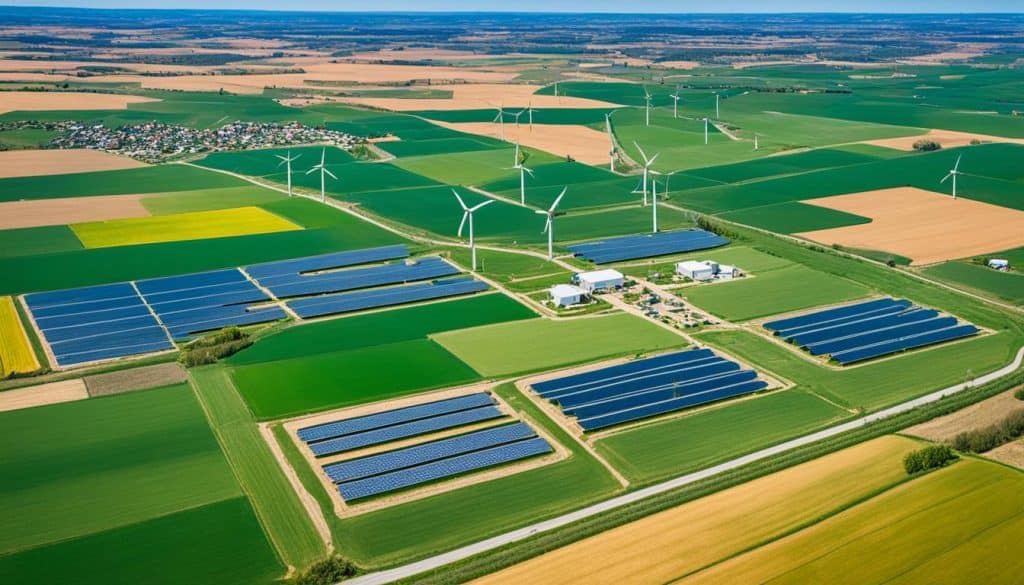
Infrastructure is key to making life in rural areas as good as in cities. Rural infrastructure like roads, hospitals, and schools helps make rural places competitive. It attracts businesses and gives residents access to services just like city folks have.
Transportation Networks and Accessibility
Rural America has 444,000 bridges and almost 3 million miles of roads, including highways. This network makes it easier to get around in rural areas. The USDA helps fund various community facilities, like rural roads and airports. Investing in these can bring in businesses and jobs to rural areas.
Healthcare Facilities and Services
Good health services are crucial for rural development. Investing in health infrastructure lets rural areas offer necessary medical services. Alexander Brandon shows us how improving water systems boosts public health. Better healthcare facilities mean rural folks get good medical care quickly, keeping communities healthy.
Education and Training Centers
Education centers help rural people gain skills for today’s job market. Investing in education lets people seek higher education and vocational training. Take Brigid Darbut’s work, for example. She focuses on growing the customer base for water and wastewater plants. This shows how important continuous learning is in rural areas. Such investments make it less likely for people to leave for cities and help the local economy.
In the end, strong rural infrastructure is vital for better living and economic opportunities in rural America. Smart public investments can make these areas have fair access to services. This encourages sustainable growth and community health.
Strategies for Effective Rural Development
To improve life in rural areas, we need well-thought-out strategies. These include getting the community involved, using what the area has to offer, and changing policies locally and nationwide.
Community Engagement and Collaboration
Getting the local people involved is key. By letting them help make decisions, projects reflect what the community really needs. People can get involved through meetings, surveys, and workshops. This encourages them to take an active role in their development. Working with organizations like the USDA brings in more resources and knowledge. This helps link local efforts to bigger development goals.
Leveraging Local Resources
Smart use of what a community already has can spark growth. Resources, cultural heritage, and talents can lead to new chances for success. Take West Texas and North Dakota as examples. Focusing on their unique strengths has really paid off. Also, using sustainable methods can help local farming and tourism. This will not only make money but also protect the environment.
Policy Changes at Local and Federal Levels
Changing policies is crucial for rural development. The Biden-Harris team has set goals including fighting climate change and supporting fairness. New rules can help improve important services like internet, transport, and health care. By matching these efforts with bigger goals, we can make sure rural areas grow along with the rest of the country.