Racial Profiling: Fighting Unjust Practices

Did you know Black Americans face a higher risk of being killed by police? This fact highlights deep unfairness in law enforcement. It calls for immediate change. Racial profiling affects many cities across the U.S., targeting Black and Brown communities unjustly. It goes against the U.S. Constitution, promoting bias and alienating communities.
Racial profiling does more harm than just inconvenience. It breaks the trust within communities. Such practices damage police credibility and harm targeted individuals’ mental health, causing fear and insecurity. The effects even reach educational environments, hurting students and families by worsening social inequities.
It’s crucial we act now to stop racial profiling. Groups like the ACLU play a critical role with their efforts in court, education, and law-making. The Camden, N.J., police reform shows we can make a difference. Such actions are vital to guaranteeing equal rights for everyone.
Understanding Racial Profiling: Definitions and Background
Racial profiling stands against what we consider a fair justice system. It’s when officials use race, ethnicity, religion, or origin to choose who to stop or search without proof. Such acts disrupt the equal justice promised by the U.S. Constitution.
National security is sometimes given as a reason for these actions, growing especially after the events of September 11, 2001. Since then, certain communities have faced more scrutiny, causing both social and mental damage. In what some call a post-racial society, these practices show that deep bias still exists.
History shows the harsh outcomes of racial profiling. Jonny Gammage’s death in Pennsylvania led to a large settlement for his family. He was a victim of these unfair practices. In New York, Amadou Diallo died when police, who thought he was a threat, shot him 41 times and were not convicted. Another case is Timothy Thomas in Ohio, another victim of racial bias in policing.
Racial profiling affects different communities. Asian Americans have suffered too. Wen Ho Lee was wrongly accused of spying because of his race. In Seattle, 14 Asian youth were stopped just for jaywalking. These events prove racial profiling is more than a small issue; it profoundly impacts lives.
Despite some believing we are past racism, incidents continue. In Ferguson, African-American drivers are more likely to be stopped than white drivers. Ethnic minorities in the UK and Europe face similar issues. This shows that racial bias is a global problem.
Studies show law enforcement decisions are often biased by stereotypes. These stereotypes, mainly about African Americans being aggressive, affect police actions. Efforts by the Obama Administration for reform and more independent investigations are steps towards justice and equality.
Racial profiling calls for a major overhaul in law enforcement and more community action. Understanding the issue helps us question the “national security” reasons often used to justify wrongful detentions and bias.
The Psychological Impact of Racial Profiling on Individuals
Racial profiling deeply affects those who experience it. It causes stress and mental issues, including PTSD. Experts like Bor J et al., 2018, have shown this. The stress doesn’t just affect the victims. It also hurts their communities, leading to less trust in the police and more trauma.
Emotional and Mental Effects
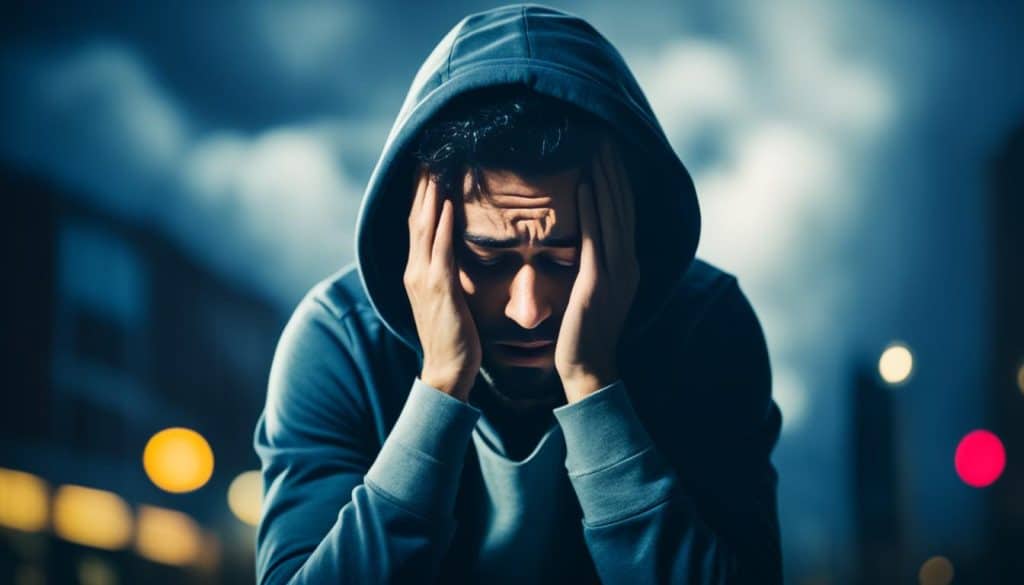
Racial profiling has harsh emotional effects. Victims feel scared of racism all the time and become very anxious. This fear damages the whole community. Experts, like Tom Tyler from New York University, say this mistrust and fear make racial biases worse. It breaks communities apart and makes social problems bigger.
Case Studies and Personal Accounts
Looking at specific cases tells us a lot about racial profiling’s damage. Research from Ontario talks about how it emotionally hurts people and ruins communities. These stories help us see the real effects of racial profiling. They make us think more about its harms. Working together, psychology, policy, and police can find ways to stop discrimination.
The Role of Police Reform in Combating Racial Profiling
Police reform is key to reducing racial profiling. It helps bring back trust in law enforcement. By improving how police work with communities, we ensure fairness and justice for all.

Community-Driven Police Reform Efforts
Community efforts lead to trust between police and people. In Eugene, Oregon, a program called CAHOOTS helps with 911 calls. This saved the city $14 million in 2019. Engaging communities changes the story of police accountability.
Policy Changes and Legislative Approaches
Changes in policies are vital to stop racial profiling. Many states and Washington, DC, have made important reforms. Getting rid of qualified immunity would stop officers from avoiding responsibility for their wrong actions. President Biden should also create a rule for using force only as a last option.
Creating oversight for police work is another crucial step. 18 ballot measures for better oversight have passed in some places. Recommendations from President Obama’s Task Force show how legal efforts can make lasting improvements.
Historical Roots of Racial Profiling in America
Racial profiling in the United States started with the era of slavery. Records show that Slave Patrols monitored and punished enslaved African Americans. This early form of racial control has lasted for centuries.
After the Civil War, the Black Codes made racial discrimination official. These laws limited the freedom of formerly enslaved people. They led to exclusion in society and were a prelude to the Jim Crow laws.
During the Great Migration, millions of African Americans moved to northern cities. This shift led to new types of racial profiling by law enforcement. They were often seen as threats, which affected policing. This impact is still felt today.
Supreme Court cases like Terry v. Ohio (1968) and United States v. Armstrong (1996) have made it harder to fight racial profiling. Laws in 24 states also allow police to ask for ID. Together, these laws have kept racial profiling going.
Understanding the history of racial profiling is key to addressing it. Knowing about Slave Patrols, Black Codes, and exclusion helps us see its effects on today’s policing. It sheds light on the challenges we still face.
Racial Profiling and Civil Rights Violations
Racial profiling goes against the 14th Amendment, which promises equal protection. This unjust act can result in searches and arrests without cause. In extreme cases, it can even lead to the use of excessive force. It challenges our nation’s commitment to the International Convention on the Elimination of All Forms of Racial Discrimination, ratified in 1994. The U.S. has faced challenges in meeting these international obligations fully.
Legal Framework and Constitutional Issues
Racial profiling issues are deeply embedded within the U.S. laws. Groups such as Amnesty International (AI) and the American Civil Liberties Union (ACLU) play crucial roles. They report on violations and work to shed light on the issue. These organizations have presented detailed reports to the CERD, showcasing ongoing discriminatory policing and the gaps in our legal protections.
High-Profile Legal Cases
Many high-profile cases have shown the urgent need for legal changes. Incidents involving Rodney King, and the deaths of Michael Brown, Breonna Taylor, and George Floyd have gained worldwide attention. These cases show the problems within our policing systems. They have sparked massive public outcry and demands for better enforcement of Constitutional rights.