
Poverty Alleviation: Creating Pathways to Prosperity

From 1994 to 2012, India cut its poverty from 45% to 22%. This move lifted 133 million people out of poverty. The book “Creating Pathways for Prosperity” shows how to fight poverty. It uses strategies focused on sustainable development and inclusive growth.
The book bridges research and practical action. It offers strategies to fight economic inequality and social gaps. The focus is on sustainable, long-term fixes, not just short-term help.
These strategies aim to lessen poverty everywhere. They stress the need for capacity building, fairness in gender, and caring for our environment. The goal is to empower people. This aids in creating strong and resilient communities.
If you’re interested in social sciences, development, or policy, this book is crucial. It covers policy implementation and community empowerment. “Creating Pathways for Prosperity” talks about how good governance and partnerships can support ongoing inclusive growth.
Understanding the Impact of Poverty in the United States
Poverty in the United States means more than not having enough money. It hurts people’s health, growth, and chances for a better future. This leads to more social inequality and economic problems. Knowing how poverty affects people can guide us in fighting it effectively.
Economic and Social Consequences
In 2020, the U.S. poverty rate rose to 11.4%, affecting 37.2 million people. This causes a lot of social inequality. People can’t get what they need. Programs like Medicaid and SNAP do help. They make poverty less severe and help with health.
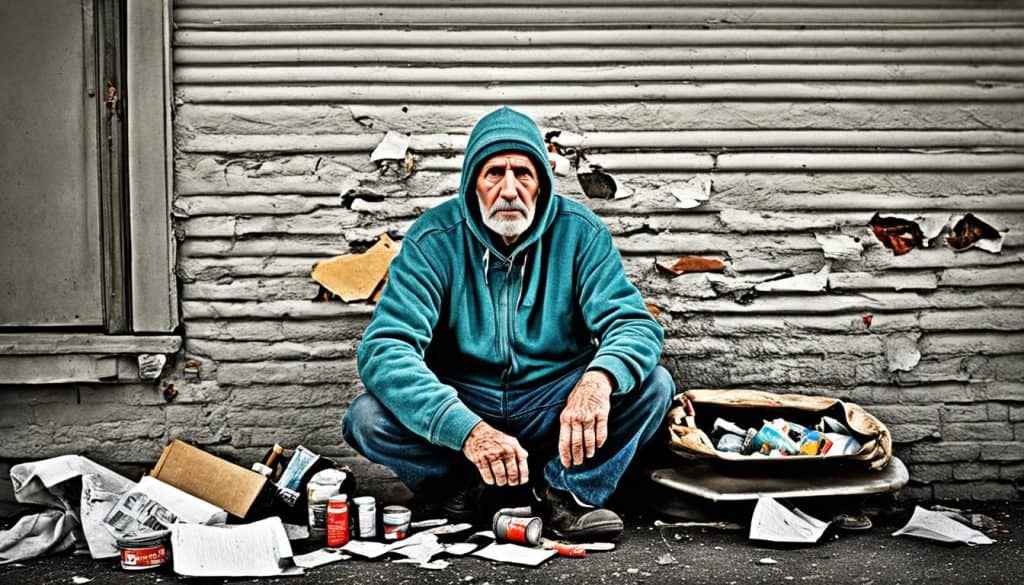
But even with help, many still face tough challenges. Things like a bad environment and not enough health care. This makes them sicker. Problems like chronic diseases and stress are more common among these people.
Child Poverty and Its Long-Term Effects
Children suffer most from poverty. In 2021, 11 million kids were living in poverty. This can delay their growth and make them sick. It can also cause stress. These problems can stop kids from reaching their full potential.
Being poor as a child can have lasting effects. It can lead to sickness, mental health issues, and even a shorter life. That’s why tax credits for families are so important. They help reduce child poverty and its effects.
Health Implications of Poverty
Your income level can greatly impact your health. People with less money face more health problems. For example, there’s a big difference in how long rich and poor people live.
Older people with little money are more likely to get sick and die younger. Plus, racism and discrimination make health problems worse for some. This shows we need special efforts to fix these unfair health gaps.
Effective Strategies for Poverty Alleviation
Fighting poverty needs many approaches. This includes financial help, government efforts, and making communities stronger. By using Economic Aid, Social Programs, and helping communities grow economically, we can make a long-term escape from poverty possible.
Economic Aid and Financial Assistance Programs
Economic Aid is key to reducing poverty. It gives immediate help to those who need it. For example, microfinance helps people start their own businesses with a small piece of money. This increases their way of living in a lasting way.
This approach has led to big improvements in life quality. Look at Cambodia, where poverty dropped from 47.8% in 2007 to 13.5% by 2014. This change came after a United Nations peacekeeping effort and microfinancing.
Role of Government and Social Programs
Good Social Programs are essential to fight poverty. Government plans like social security and help for households meet immediate and future needs. Countries with strong Social Programs see big economic improvements. For instance, Cambodia’s middle class grew thanks to these plans. This led to a yearly growth rate of 8% from 1998 to 2018.
Good policies and economic aid make these efforts even stronger. They help communities grow economically and improve socially.
Empowering Communities through Local Initiatives
Helping communities control their economic future is vital for lasting poverty reduction. It makes them self-reliant and strong. In Sub-Saharan Africa, focusing on local resources has brought great benefits.
Though the poverty index went down from 55% in 1990 to 40% in 2018, the population grew by 112%. This shows the challenge of poverty numbers. Tailored local efforts, with continuous economic aid and social programs, are key to real change.
By using these approaches—Economic Aid, good Social Programs, and strong Community Economic Development—we can build a society that can face poverty’s many challenges.
The Role of Education in Breaking the Poverty Cycle
Education is key in breaking poverty’s cycle. It equips people with skills for jobs and success in life. Looking at education as a whole journey helps us build a better future for all.
Importance of Early Childhood Education
Early education shapes a child’s future. It prepares them for school and life. In India, laws ensure kids get this chance, creating brighter futures for both boys and girls.
Access to Higher Education and Job Training
Higher education and training open doors for young people. In India, programs like PMKVY and NAPS provide these opportunities. They aim to improve education quality and reach everyone, including the less fortunate.
Bridging the Gap with E-Governance
E-governance is changing how we learn. It makes education easier to get and improves how it’s delivered. Technology helps us teach more people better, helping our country grow.
Challenges like poverty and poor infrastructure make it hard to provide education to all. Yet, we must ensure every child can learn. It’s their right and our responsibility.
Fostering Sustainable Development through Inclusive Practices
To fight poverty, we need to focus on sustainable development and inclusive practices. By boosting the abilities of people and communities, pushing for gender equality, and supporting eco-friendly jobs, we can make lasting changes. These changes will lead to better social and economic growth.
Focus on Capacity Building and Gender Equity
Building skills and promoting gender equality are key for inclusive growth. Developed countries should hit their 0.7% Official Development Assistance (ODA) goal. This support helps meet the $3.3 to $4.5 trillion yearly needed by developing countries for the Sustainable Development Goals (SDGs) by 2030. In Zambia, for example, 60% of the youth don’t have basic digital tools, showing the need for this support.
Also, including people with first-hand experiences in making policies is vital, as Jean Quinn highlighted. This ensures our plans work well and make a real difference.
Promoting Sustainable Livelihoods
Inclusive growth also means creating jobs that last and are good for the planet. The “Pact for Skills” in the European Union is one effort to prepare young people for jobs in digital and green sectors. Making sure the economy grows in a way that benefits everyone and creates good jobs is crucial for fighting poverty and improving society.
Also, new ways of funding, like green bonds and partnerships between the public and private sectors, can gather money for these sustainable projects. This helps people economically and fights poverty.
Environmental Sustainability and Poverty Reduction
Using green economy strategies is essential for both protecting the planet and reducing poverty. Initiatives focusing on a cleaner, prosperous future can boost the economy while taking care of our environment. They focus on fighting climate change, using clean energy, and farming sustainably.
It’s important to make sure development aid helps diversify industries and supports green technology. This way, we not only battle poverty but also build stronger, fairer communities.
Collaborative Efforts and Partnership Models for Lasting Impact
Cross-sector collaboration is key to reducing poverty for good. By working together, public agencies, private companies, schools, and charities can fight poverty more effectively.
Public-private partnerships make better use of resources and avoid doing the same work twice. For example, the Sustainable Apparel Coalition, which includes top brands and NGOs, aims to improve the apparel industry. The Global Alliance for Clean Cookstoves is another example. It brings together different groups to support clean cooking, which helps people’s health and reduces poverty.
Technology is critical for these partnerships to work well. It helps people work together smoothly, share what they know, and check how well their projects are doing. This is crucial for keeping these efforts going over the long haul.
Partnerships can run into issues, like conflicting goals and problems with power and coordination. Even with these challenges, working together leads to new ideas and solutions. This can overcome problems, making a real difference in fighting poverty.
Numbers show the impact of working together. When organizations team up, poverty can drop by 10% in those areas. Partnerships can boost education access by 40% for those in need. They also create more jobs and help people learn valuable skills, increasing economic opportunities by 20%. Local business owners see a 30% jump in their growth. By joining forces, the poverty cycle is cut in half, giving communities a better future.
To sum up, teaming up through cross-sector collaboration, public-private partnerships, and community outreach makes our efforts go further. It leads to real, lasting change. The power of these collaborations is in their ability to pool resources, share knowledge, and grow successful practices. This is how we can change the system and create better chances for everyone.
Confronting Poverty: Calls to Action for Policymakers and Advocates
Confronting poverty is more than just awareness. It requires real action from policymakers, educators, and advocates. We need solid policies to tackle the challenges poverty presents. It’s crucial to gain political support for changes like those in the Build Back Better Act. This act focuses on affordable housing and improving communities.
Poverty hits minority groups hardest, deepening inequality and systemic racism. Efforts must focus on racial fairness. Diane Yentel from the National Low Income Housing Coalition urges Congress to pass the Reforming Disaster Recovery Act. This would make disaster recovery fairer, focusing on transparency and protecting rights. Such steps are key to helping communities bounce back and support everyone equally during tough times.
Getting involved in your community is important. You can help by volunteering at shelters or food banks. Also, supporting budget moves that increase rental aid can help many families. For example, the proposed $25 billion in the Build Back Better Act could ease the housing crisis for many. Creating jobs with fair wages, affordable healthcare, and better education are essential. By supporting these changes, we can make a lasting impact and help end poverty.