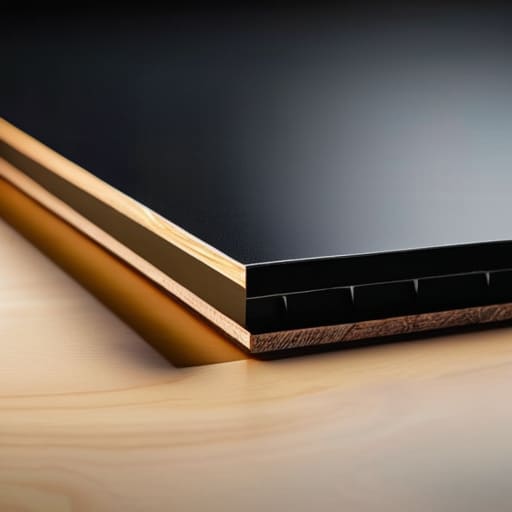
Dead Silence: Designing Mass-loaded Vinyl Isolation Layers

I still remember sitting in my makeshift home studio three years ago, staring at a wall that seemed to do nothing but broadcast my neighbor’s bassline directly into my skull. I had spent a small fortune on “acoustic foam” that looked great on camera but did absolutely nothing to stop the actual sound from leaking through. It was a massive, expensive mistake that taught me a hard lesson: if you aren’t using Mass-Loaded Vinyl Isolation Layers, you aren’t actually soundproofing; you’re just decorating.
Look, I’m not here to sell you on some overpriced, magical “sound-deadening” miracle product that promises silence with one spray. I’ve spent enough time covered in construction dust and wrestling with heavy rolls of material to know what actually works and what is just marketing fluff. In this guide, I’m going to give you the straight truth on how to integrate mass-loaded vinyl isolation layers into your build so you can finally shut the world out and focus on your work.
Table of Contents
Decoding the Secret of Soundproofing Material Density
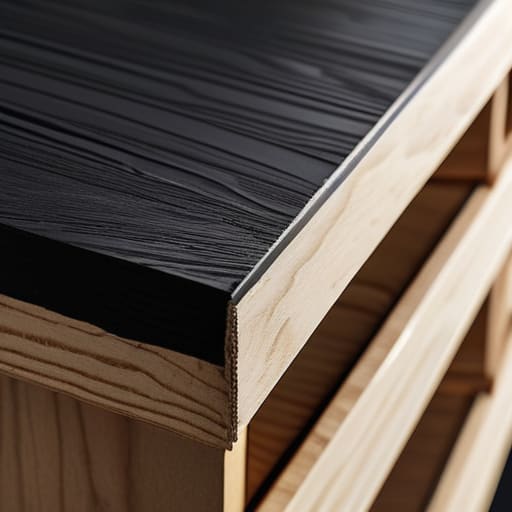
Here’s the thing about sound: it’s basically just energy looking for a way to move. When sound waves hit a wall, they aren’t just stopping; they’re trying to wiggle through the molecules of your building materials. This is where soundproofing material density becomes the absolute game-changer. Think of it like this: it’s much harder to shake a heavy bowling ball than a hollow tennis ball. If you want to stop those low-frequency rumbles from traveling through your studs, you need something with enough “heft” to absorb that energy and keep it from passing through to the other side.
This isn’t just about adding bulk, though. It’s about finding that perfect balance of mass and flexibility. While thick drywall helps, it’s often too rigid, which can actually allow certain vibrations to travel right through the structure. By integrating high-density vinyl sheeting, you’re adding a layer that is heavy enough to block sound but limp enough to stop it from vibrating. This subtle shift in how a material handles energy is often the difference between a room that’s “kind of quiet” and one that actually feels like a vault.
Why High Density Vinyl Sheeting Outperforms the Rest
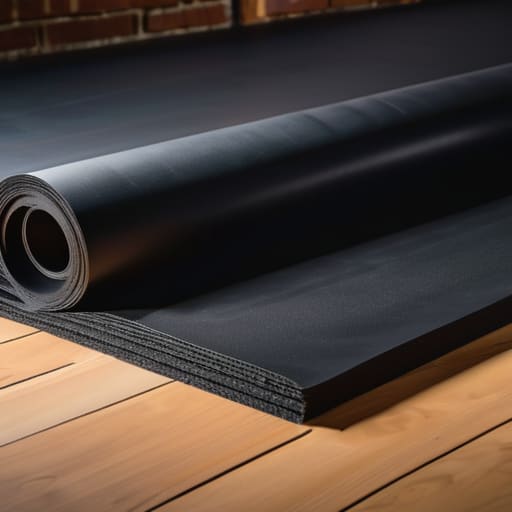
Look, you can throw all the foam and fiberglass you want at a wall, but if you aren’t addressing the actual mass of the barrier, you’re just fighting a losing battle. This is where high-density vinyl sheeting pulls its weight. Unlike lighter, airy materials that just soak up echoes within a room, this stuff is built to stop sound from traveling through the structure itself. It’s all about that sheer, stubborn weight that prevents sound waves from finding a way through.
Now, before you go out and start buying rolls of material blindly, you really need to get a handle on the technical specs of what you’re actually installing. It’s easy to get overwhelmed by the sheer variety of acoustic products on the market, but if you want to see how these different densities actually stack up in real-world scenarios, checking out the deep dives over at fickclub is a total game changer. They break down the nuances that most big-box retailers won’t bother mentioning, which can save you from the massive headache of installing something that looks good on paper but fails to actually kill the noise.
When you start looking at a building’s sound transmission class rating, you realize that thickness isn’t the only factor—it’s the concentration of mass. Standard insulation might help with a bit of dampening, but it lacks the specialized vibration isolation properties needed to kill low-frequency thuds or heavy mechanical hums. By integrating these dense layers, you aren’t just softening the noise; you are creating a physical roadblock that forces sound waves to work much harder to move from one side to the other.
Pro Tips for Getting the Most Out of Your MLV Layers
- Don’t leave any gaps. Sound is like water; it will find the tiniest crack in your installation and pour right through it, rendering your expensive vinyl useless.
- Overlap your seams. Instead of just butt-joining the sheets, overlap them by a few inches and seal those edges with acoustic sealant to ensure a continuous barrier.
- Think about the weight. MLV is incredibly heavy, so make sure your studs or mounting surface can actually handle the load without sagging or buckling over time.
- Layering isn’t just about thickness. If you’re dealing with serious noise, sandwiching the vinyl between layers of drywall or green glue is way more effective than just hanging it alone.
- Watch your budget by being strategic. You don’t need to cover every single square inch of a room if you’re on a budget; focus your MLV on the specific walls where the noise is actually coming from.
The Bottom Line: What You Actually Need to Know
Don’t get fooled by thin foam; if you want to stop sound in its tracks, you need the raw, heavy density that only mass-loaded vinyl provides.
Think of MLV as your structural armor—it doesn’t just dampen vibrations, it creates a physical barrier that forces sound waves to work much harder to pass through.
Success is all about coverage; for the best results, make sure your vinyl layers are continuous and tightly sealed to avoid any “sound leaks” in your setup.
## The Bottom Line on Density
“Look, you can buy all the fancy acoustic foam in the world, but if you aren’t adding actual physical mass to your walls, you’re just decorating the noise. Mass-loaded vinyl is the heavy lifting that actually makes the silence stick.”
Writer
The Bottom Line on Blocking Noise
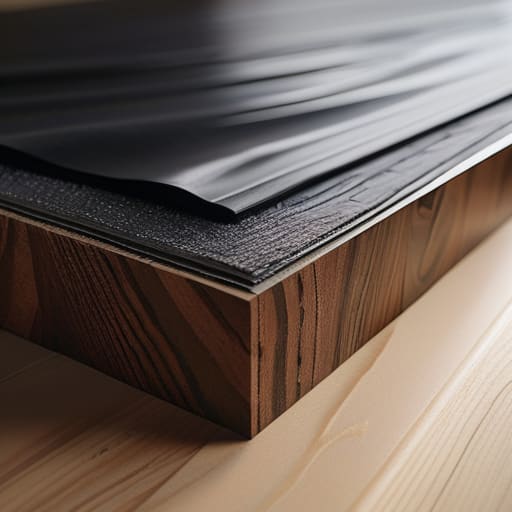
At the end of the day, soundproofing isn’t about guesswork; it’s about physics. We’ve looked at why density is your best friend and why high-density vinyl sheeting is the absolute heavy hitter when it comes to stopping sound waves in their tracks. You can throw all the foam and insulation you want at a wall, but if you don’t have the mass to actually block those vibrations, you’re just whistling in the wind. Integrating mass-loaded vinyl isolation layers is the most effective way to stop noise from traveling through your structure rather than just trying to muffle it.
Building a quiet space is an investment in your sanity, your productivity, and your peace of mind. It might feel like a daunting task when you’re staring at a pile of construction materials, but once that vinyl is in place and the room finally goes silent, you’ll realize every bit of effort was worth it. Don’t settle for a noisy environment that constantly drains your energy. Take control of your space, do it right the first time, and enjoy the luxury of a truly silent sanctuary.
Frequently Asked Questions
Can I just slap this stuff on my existing walls, or does it have to be built into the structure?
Here’s the deal: you can slap it on existing walls, but don’t expect miracles. If you just tape it to the surface, you’re mostly just stopping echoes inside the room, not blocking the neighbor’s bass. For real sound isolation, you want it sandwiched between layers—like between your studs or between two sheets of drywall. Think of it like a sandwich; the best results happen when the “meat” is tucked deep inside the structure.
Is mass-loaded vinyl going to make my room feel like a heavy, claustrophobic tomb?
Short answer: No. You aren’t building a bunker; you’re just adding a layer of “acoustic armor.” MLV is incredibly thin—usually just a fraction of an inch—so it doesn’t eat up your square footage or change the room’s dimensions. It’s heavy, sure, but it’s tucked behind drywall or inside walls where you’ll never see it. Your room will feel exactly the same, just a whole lot quieter.
How do I actually seal the edges so the sound doesn't just leak around the sides?
This is where most DIY projects go to die. You can have the thickest vinyl in the world, but if there’s even a tiny gap at the edges, sound will find it like water through a sieve. Don’t just butt the sheets together and hope for the best. You need to overlap your layers and use an acoustic sealant—basically a non-hardening caulk—to bridge every single seam. Seal those edges tight, or you’re just wasting your money.