Child Labor: Advocating for Children’s Rights

Did you know that around the world, 160 million children work when they shouldn’t? Even more troubling, half are in dangerous jobs that put them at risk. Looking into this issue, we see it’s not just about breaking laws. It also goes against children’s basic rights, as stated by the United Nations.
Peg Willingham of Save the Children fights hard to stop child labor by 2025. But even with laws in place, more than 10 U.S. states are loosening child work rules. With child labor on the rise, urgent action and speaking up are needed now more than ever.
In the U.S., illegal child work jumped 44% from October 2022 to July 2023. The New York Times found kids working dangerously, even for big brands, in February 2023. This shows we need tougher laws and more people fighting for children’s rights.
Let’s dive into why child labor happens and the worldwide effort to stop it. By spreading the word and supporting good solutions, we can help keep kids safe. Working together, we aim for a future where every child gets to grow up safe and respected.
Understanding Child Labor: Definitions and Impacts
Millions of kids around the world face exploitation, losing their chance at a normal childhood. Child labor takes away from their innocence and rights to learn and be healthy.
Legal Definitions
The International Labour Organization (ILO) sees child labor as jobs that steal kids’ childhoods, potential, and dignity. It includes work that’s bad for their minds, bodies, or morals. Around 160 million kids are caught in child labor, with 79 million in dangerous jobs.
A lot of them work in agriculture, like farming or taking care of animals. They face hazards and tough physical labor, getting exposed to harmful stuff.
Physical and Mental Impacts on Children
Child labor brings terrible effects, not just immediate harm. Kids face injuries, harmful chemicals, and harsh weather. It can lead to chronic health problems, poor growth, or even death. Every year, over 20,000 kids die from work accidents.
Labor takes away their chance to grow emotionally, too. About one in three kids working can’t go to school. This keeps them in poverty and cuts off future job opportunities. The stress from adult tasks can cause anxiety and depression, affecting their future and the growth of their societies.
The Global Scope of the Problem
Child labor is a worldwide issue. Sub-Saharan Africa is the hardest hit, with 24% of kids aged 5-17 working. This region has 86.6 million child laborers, mainly due to poverty and more people. Central and Southern Asia also struggle, with 26.3 million kids working.
Poverty drives child labor, with 24% of kids in the poorest places working in risky jobs. Without action, 125 million kids will be in labor by 2030. We need to keep working globally to stop this and reach the U.N.’s goals.
Contributing Factors to Child Labor
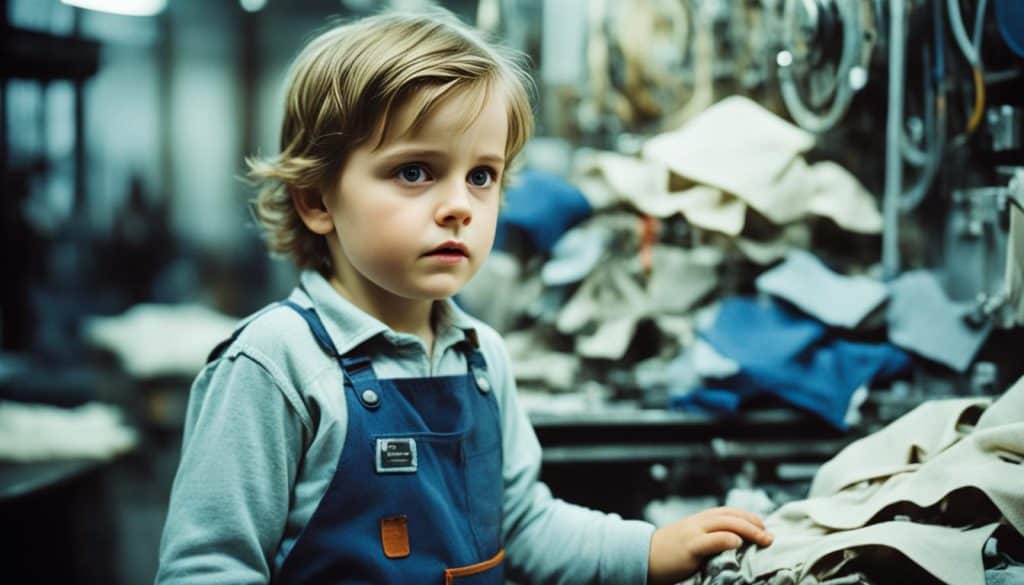
Child labor is a major global issue that needs to be understood. Factors like economic struggles, limited education, and migration play huge roles. Climate change and pandemics also make things worse for children.
Poverty and Economic Pressures
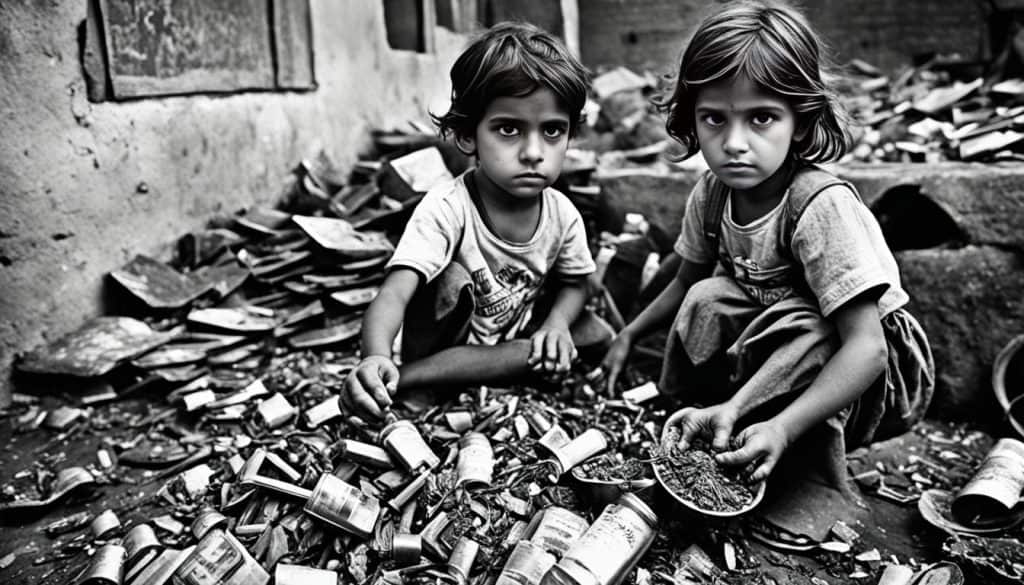
Poverty pushes children to work the most. Families in need send their kids to earn extra money. They struggle to afford the basics. Unemployment, low pay, and debt fuel child labor. Sadly, some see it as good for learning and working skills, overlooking the harm it causes.
Migratory Status and Lack of Education
Migrant children face tough challenges. Especially the undocumented ones, they lack legal protection and schooling. This pushes them into dangerous jobs. Poor education and hard-to-reach schools also lead to child labor. Refugee kids deal with poverty, limited education, and being uprooted.
Impact of Pandemics and Climate Change
Disasters and climate shifts worsen child labor by destroying crops. Families then have no choice but to involve their children. The COVID-19 crisis has made their economic situations even tougher. According to the ILO and UNICEF, child labor has grown by 8.4 million in four years. Climate change, poverty, and pandemics force kids into work, hurting their futures.
To fight child labor, we must tackle its deep causes. This includes economic hardship, migration issues, and the effects of pandemics and climate change. A thorough plan can protect children everywhere.
The Role of Exploitation in Child Labor
Exploitation is a big issue in child labor. It happens when employers use unfair practices to make more money from vulnerable kids. These actions not only break the rights of children but also trap them in bad cycles of work.
Historical laws tried to control child labor. For example, the UK’s Cotton Mills Act of 1856 allowed kids aged 9 to 16 to work up to 12 hours a day. By 1901, the law permitted 12-year-olds to work for 60 hours a week.
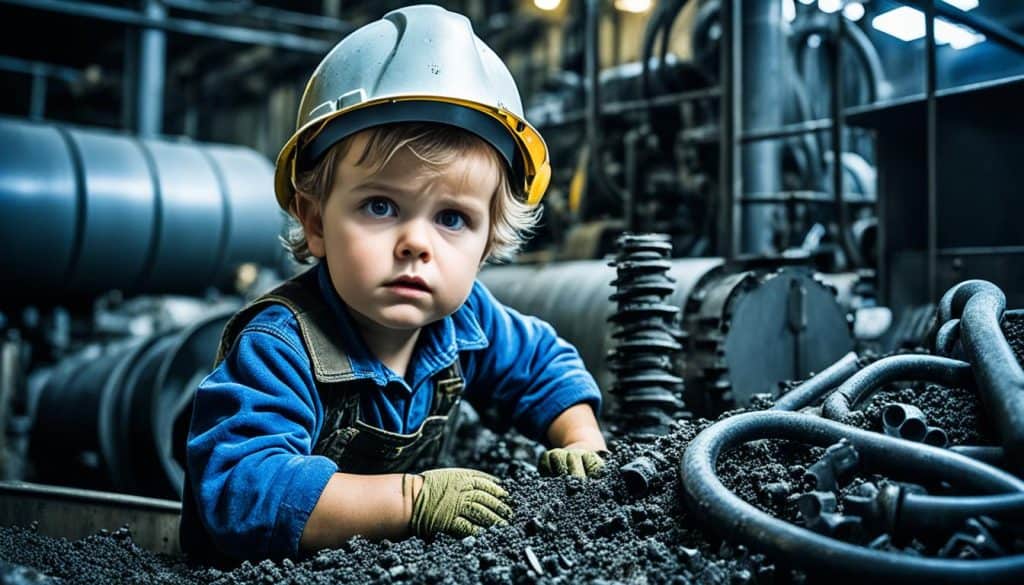
Even with laws in place, exploitation in work hasn’t stopped. It’s especially bad in risky fields like agriculture and manufacturing. In 2017, some countries reported more than 50% of their kids were working. Agriculture is the biggest field where child labor happens.
In the United States, child rights are sometimes ignored, even though it’s a developed country. With one in five children in the poorest countries working, it’s crucial to address these bad practices. We need to work hard to protect kids’ rights.
The World Bank notes a decrease in child labor from 25% to 10% between 1960 and 2003. Yet, around 152 million kids are still working, with 85 million in dangerous jobs. It’s vital to make laws stronger to protect these children and ensure their work is safe and fair.
Efforts to Protect and Advocate for Youth
The battle against child labor requires worldwide efforts and strong laws. Groups like Save the Children and KidsRights lead the way in creating Global Standards. These aim to protect Children’s Rights and boost Community Action.
Global Advocacy and Legal Frameworks
Global advocacy plays a key role in the fight to end child labor. The UN Convention on the Rights of the Child is accepted almost everywhere. It sets global norms and standards. In Europe, the EU’s Corporate Sustainability Due Diligence Directive focuses on keeping children safe in business practices. Strong laws worldwide are needed to keep Global Standards and protect Children’s Rights.
In poorer countries, over one in four kids (ages 5 to 17) work in harmful jobs. We must push for better law enforcement and new laws to stop child labor exploitation.
Local and Community Initiates
Local efforts are vital for real change on the ground. The National Child Labor Project (NCLP) in India, supported by UNICEF, is one example. This project has helped many children, like Shabiyullah, leave risky jobs and succeed in school. He completed five grades in three years thanks to educational support.
Community Action means helping local teams stand up against child labor and focus on education. In Guatemala and India, programs give scholarships and money to families. This helps kids leave work and go to school. Focusing on education is key, matching global efforts to keep Global Standards.
Studies by the Connecticut Child Fatality Review Panel (CFRP) show the dangers of ignoring child protection. Sarah Eagan, Connecticut’s Child Advocate since 2013, has played a big part in these studies. She pushes for stronger safety measures.
We also need to teach communities about the harm of child labor and why school matters for every child. This approach creates lasting change, building a world where we respect and protect children’s rights.
The Importance of Fair Labor Practices
Stopping child labor in supply chains is key. Companies are working hard to remove bad practices and follow fair labor rules. Shoppers play a big role too, wanting more openness and better acts from businesses.
Corporate Responsibility and Supply Chains
Keeping supply chains ethical is important for good labor practices. Fighting child labor is a top goal. Efforts focus on checking every production step. The Fair Labor Standards Act (FLSA) from 1938 helps protect young workers and their chance to learn. Despite this, child labor problems rose 37% last year, showing we need to keep a close watch and enforce rules strictly.
Last year saw a 26% rise in breaking rules about dangerous work for kids. This shows how hard it is to keep work safe. Companies need detailed plans to find and fix these issues in their workplaces.
Supporting Ethical Business Practices
Backing ethical business helps protect child workers. It also helps growth and wins customers’ trust. Some want to make child labor rules weaker, but it’s vital for businesses to keep high standards. Those focusing on ethical shopping and ethical supply chains lead the way. They encourage everyone to adopt responsible actions.
Getting rid of child labor in supply chains needs everyone to work together, holding companies responsible.
Stories of Change: Youth Advocates and Heroes
Throughout history, young visionaries have led the way in movements for child rights and social justice. They have inspired and mobilized people all over the world. These changemakers show us that being young doesn’t stop someone from making a big difference.
Inspiring Stories from the Field
The story of Malala Yousafzai stands out. She was attacked by the Taliban for her work on girls’ education in Pakistan. Despite this, she won the Nobel Peace Prize and continues to fight for education for all girls. Greta Thunberg has also made waves with her climate change activism, earning her title as Time Magazine’s Person of the Year in 2019.
In the U.S., Nicholas Lowinger has given over 100,000 shoes to shelters through Gotta Have Sole. Marley Dias has also made a difference with her #1000BlackGirlBooks campaign, providing over 9,000 books that showcase diversity.
Jaylen Arnold uses his experience with Tourette’s syndrome to fight bullying with Jaylen’s Challenge Foundation. Jasilyn Charger co-founded the One Mind Youth Movement to help Indigenous youth, showing the impact of grassroots efforts on communities.
Role of Youth in Advocacy
Youth activists are more than just observers; they’re leading the charge against injustice. They use platforms like the Children’s Peace Prize to spread their message. By starting movements, they inspire others and push for changes in laws and culture.
The story of Orion Jean and his Race to 100K Meals project shows how young people address needs like food insecurity. Thandi iOS-based applications, co-founder of the Black Lives Matter Youth Vanguard, plays a crucial role in advocating for racial justice.
Programs like KidsRights Changemakers are vital in supporting young advocates in their fight against child labor and exploitation. They prove young people have the power to challenge societal norms and create lasting change.
The bravery of these young leaders shows they are not just tomorrow’s leaders but also today’s influencers. Their stories confirm that young changemakers can truly transform the world through passion, courage, and dedication.
How You Can Join the Fight Against Child Labor
Child labor is a big problem that we can fight together. Around the world, 160 million kids were in child labor in 2020. This number went up by 6.5 million since 2016. It’s very important for us to step in and help.
Donating to organizations is one way to help. Groups like Save the Children and Global March Against Child Labor work hard to keep kids safe. By giving money, we can help rescue kids and provide them with a better future. For example, Love 146 helps save kids from exploitation.
Raising awareness is another important step. About 108 million kids work in agriculture. We can encourage companies to be more ethical and transparent. By working together and supporting good laws, we can fight child labor.
Being informed is key. Teach others about stopping child labor. Get involved in local projects or volunteer with groups that help these children. By staying committed, we can make a real difference for kids everywhere.