Environmental Justice: Protecting Vulnerable Communities

Over 3 million Americans live where pollution is highest. These areas are disadvantaged communities. This fact highlights the need for urgent action to protect them.
Environmental justice matters in fighting climate change and inequality. The Biden-Harris Administration has acted. They started the Justice40 Initiative, aiming to help these areas the most.
Consider California as an example. It has laws for environmental justice. Agencies like CalEPA use tools like CalEnviroScreen Version 4.0. They focus on communities hit hardest by pollution.
In his 2022 State of the Union, President Biden talked about these issues. He linked job creation to fighting climate change. This approach puts community first, aiming for lasting improvements.
The journey towards environmental justice is challenging. Yet, our commitment remains strong. With ongoing investments and community efforts, we aim for a fair and healthy future for everyone.
The Importance of Environmental Justice in Today’s World
Environmental equity matters a lot in today’s fight for a fair world. It aims to fix the impact of climate change and pollution. Often, people who are poor or from minority groups get hit hardest. They face more pollution, leading to big health and money problems.
The Impact on Vulnerable Populations
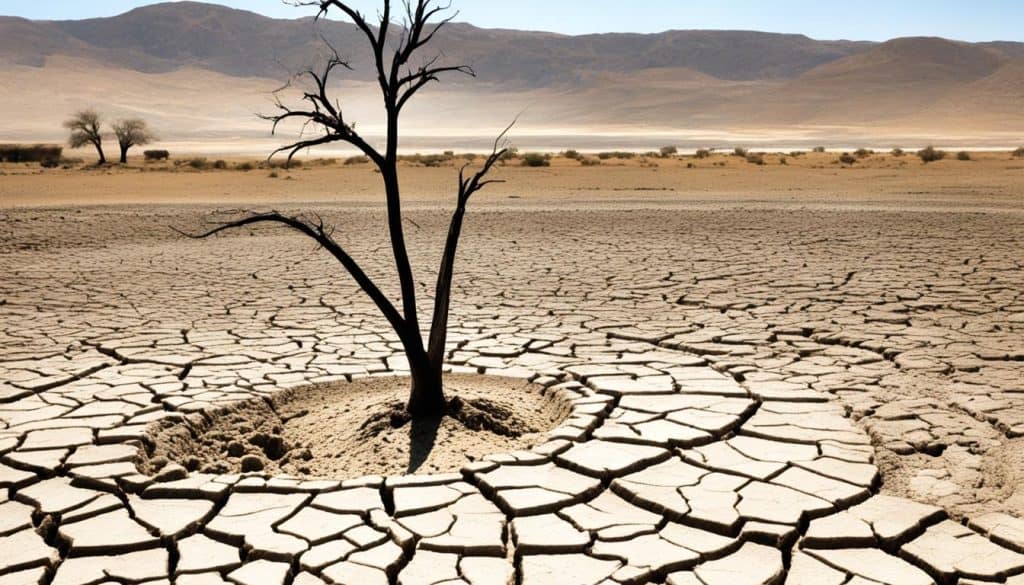
In America, the most polluted places are usually where people of color or the poor live. Studies show that in eight southeastern states, three out of four toxic waste sites are in areas with mostly Black and Latine people. This unfair pollution harms both the environment and people’s health.
Breathing in pollution can cause diseases like cancer and asthma. Climate change makes it worse with killer heat waves hitting these communities hard. This shows why we need to act now for a better and fairer future.
Historical Context and Current Challenges
The fight for environmental justice started long ago. In 1982, a big protest in North Carolina against a toxic landfill led to 500 people getting arrested. This was a key moment. By 1990, experts like Dr. Robert Bullard showed that toxic waste sites were often put in areas where mostly Black people lived.
Research in the ’80s and ’90s found that poor, black neighborhoods were targeted for pollution on purpose. This is called environmental racism. Today, these communities still face these tough challenges. Without fair rules and a say in decisions, they are left to deal with harmful pollution and climate effects.
To solve these issues, we need to make sure everyone is treated fairly and can have a say, no matter their background. Fighting for environmental justice and equity is crucial. It’s about doing what’s right for a sustainable future and the health of the next generations.
Biden-Harris Administration’s Commitment to Environmental Justice
The Biden-Harris Administration is dedicated to environmental justice. They have introduced laws and actions to help with Climate Equity. Their work promotes the Biden-Harris Agenda. Critical plans have been started to improve environmental fairness.
Executive Orders and Key Policies
At the heart of their agenda is Executive Order 14096, “Revitalizing Our Nation’s Commitment to Environmental Justice for All.” This shows their determination to fix environmental wrongs. They’ve acted over 200 times to mend past policy damages and protect communities from environmental risks.
They stopped using chlorpyrifos, a dangerous pesticide, protecting farmworkers and children. They’ve also worked to better enforce environmental laws in communities that need it most.
Investments and the Justice40 Initiative
The Justice40 Initiative is a key part of their plan. It promises 40% of benefits from Federal spending to go to disadvantaged communities. This helps areas hurt by climate change and pollution. It supports clean energy and repair projects.
To do this, an Environmental Justice Scorecard checks how well Federal agencies are doing. This makes sure investments help sustainability and fix past environmental damage.
Community Engagement and Stakeholder Participation
Getting local communities involved is key to the administration’s environmental justice efforts. They made the White House Environmental Justice Interagency Council (IAC) and advisory council. This makes sure policy development includes community opinions.
Tools like the Climate and Economic Justice Screening Tool find communities that need help the most. This ensures a fair share of benefits. This shows the administration’s promise to include everyone in making fair environmental justice policies.
Understanding the Justice40 Initiative
The Justice40 Initiative seeks to direct 40% of certain Federal investment benefits to marginalized communities. These groups have long faced underinvestment and pollution. The aim is to tackle climate change, boost clean energy, and improve Clean Transit, affordable housing, workforce development, and water infrastructure.
Goals and Objectives of Justice40
The Justice40 Initiative has crucial goals. It looks to fight the Climate Crisis and boost Environmental Equity. Efforts include cleaning up old pollution and making housing sustainable. It also wants to increase Clean Transit and Energy Efficiency. Plus, it aims to get more people working in green jobs.
Categories of Investments
Justice40 invests in many critical areas like climate resilience and clean energy. It also works on strengthening infrastructure. It battles legacy pollution and boosts jobs in the green economy. This is made possible by agencies like the Department of Agriculture and Energy. Funding comes from the Bipartisan Infrastructure Law and the Inflation Reduction Act.
The Climate and Economic Justice Screening Tool (CEJST) spots disadvantaged communities in the U.S. It ensures benefits are fairly spread out. This tool got a Spanish version in July 2023, making the Initiative more inclusive and effective in fighting Environmental Equity.
How the Climate and Economic Justice Screening Tool (CEJST) Works
The Climate and Economic Justice Screening Tool (CEJST) plays a key role in Environmental Justice Screening. It features an interactive map that identifies disadvantaged communities in the U.S. This ensures these areas are considered in federal plans. The tool spots regions affected by pollution and environmental issues, helping with Federal Programs Allocation.
The CEJST is carefully crafted based on climate and economic factors. It uses data on income, schooling, and environmental issues. Health and economic conditions are also looked at. But, it does not use race to find disadvantaged communities.
Federal groups use the CEJST to meet the Justice40 Initiative goals. This plan aims to give 40% of federal climate and clean energy project benefits to disadvantaged communities. The tool’s design ensures it covers all U.S. areas, including Tribal Nations, based on available data.
Regular updates make the CEJST better and more relevant. The addition of a Spanish version in July 2023 shows the commitment to making the tool accessible. During a 60-day period, the public can give feedback, which helps to improve the tool.
The CEJST does not work alone. It works alongside the EPA’s EJSCREEN. The EJSCREEN offers online assessments and visual tools to look at demographic and environmental impacts. Together, they help send sustainable resources to communities in need.
Federal Agencies’ Role in Promoting Sustainability and Eco Justice
Lately, many federal agencies have stepped up their focus on environmental protection and sustainability. They aim to make life better for all communities. This is especially for those facing tough environmental challenges.
The Department of the Interior marked the 20th anniversary of Executive Order 12898 in 2014. This celebrated their work in environmental justice for minority and low-income groups. It showed their commitment to fair environmental practices and boosting public involvement.
Examples of Federal Assistance and Their Measures
The Department of the Interior is key in pushing for environmental justice. They strive to lessen the impact on minority and financially challenged communities. They integrate environmental justice into their policies. One approach involves grants and technical help for those communities.
The Environmental Protection Agency (EPA), since its founding in 1970, plays a vital role. It enforces key environmental legislations like the Clean Air Act and Clean Water Act. These laws aim to protect our health by controlling air and water pollution and dealing with hazardous waste.
Addressing Overburdened Communities
Federal efforts to ensure eco justice seek to lighten the load on communities hit hardest by environmental risks. Laws like the Clean Air Act and Safe Drinking Water Act are in place to cut pollution and keep water sources clean. This protects public health.
Public involvement is also a big part of federal initiatives, thanks to the National Environmental Policy Act (NEPA). It ensures people can have their say in environmental decisions that affect them. Meanwhile, the EPA’s How’s My Waterway 2.0 offers clear water quality information. This encourages people to get involved and oversee. Through ongoing efforts and strategies, federal agencies play a crucial role in transforming communities for the better and promoting true environmental justice.