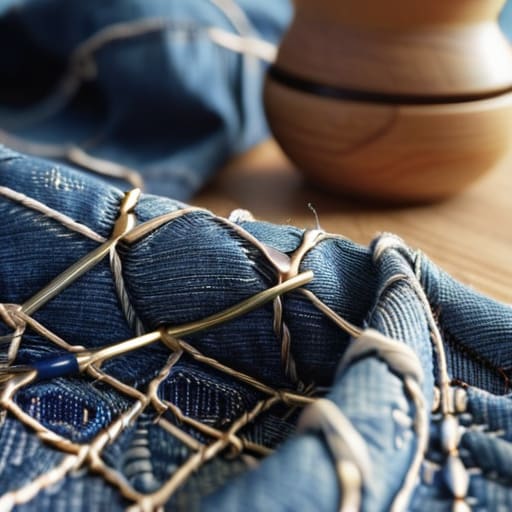
A No-nonsense Guide to Mending Clothes by Hand: Restoring Value in a Disposable World

I was standing in the middle of a dusty courtroom recreation last summer, dressed in a heavy wool waistcoat that had seen better decades, when I realized the seam along my shoulder was beginning to surrender to gravity. It was a small, quiet failure of fabric, yet it felt strangely symbolic of our modern “throwaway” culture—that impulse to discard anything the moment it shows a hint of wear. We’ve been conditioned to believe that a snag or a loose thread is a terminal diagnosis for a garment, but that is a profound misconception. Learning how to mend clothes by hand isn’t just about a needle and thread; it is an act of intentional stewardship that honors the history of what we wear.
In this guide, I’m stripping away the intimidating jargon and the overly precious “crafty” fluff to give you the raw, practical mechanics of repair. I will walk you through the essential stitches and structural reinforcements needed to breathe life back into your favorite pieces, ensuring they stand the test of time. My goal is to provide you with honest, no-nonsense techniques that transform a simple repair into a way of preserving the integrity of your belongings.
Guide Overview
Tools & Supplies
- Hand sewing needles (various sizes for different fabric weights)
- Fabric scissors (sharp blades for clean cuts)
- Embroidery hoop (optional, to keep fabric taut)
- Seam ripper (to remove old, messy stitches)
- Sewing thread (matching colors to your garment)
- Fabric scraps (for patching holes)
- Thimble (to protect fingers during heavy stitching)
Step-by-Step Instructions
- 1. Before you even touch a needle, you must gather your tools with the same intentionality a clerk prepares for a high-stakes hearing. I find that having a dedicated kit—a small wooden box or even a vintage tin—helps create a sense of ritualistic preparation. You will need a sharp needle, high-quality thread that matches your garment’s color, a pair of small scissors, and a thimble to protect your finger from the repetitive pressure.
- 2. The first step in any restorative process is the assessment of the damage. Much like a legal scholar examining a flawed precedent, you must look closely at the tear to determine its structural integrity. If the fabric is fraying at the edges, you may need to trim the loose threads carefully with your scissors to create a clean, stable perimeter before you begin the actual stitching.
- 3. Once you have prepared the site, thread your needle and pull it through the eye, leaving a small tail on the other side. I always recommend knotting the end of the thread securely; think of this knot as the foundational principle upon which the entire repair rests. If the knot is weak, the entire effort will eventually unravel under the pressure of daily wear.
- 4. For a simple tear, I suggest employing the “running stitch,” which is the most fundamental method of connection. Insert the needle from the underside of the fabric, bring it up through the tear, and then guide it back down a few millimeters away. Repeat this motion in a steady, rhythmic fashion, ensuring your stitches are even in length to maintain the aesthetic balance of the garment.
- 5. If you are dealing with a hole where the fabric has actually vanished, you will need to perform a more complex “darning” technique. This requires you to create a new “warp” by weaving vertical threads across the gap, and then a “weft” by weaving your needle horizontally through those threads. It is a meticulous process of reweaving the social fabric of the cloth, one intersection at a time.
- 6. As you approach the end of the repair, you must ensure the tension is neither too tight nor too loose. If you pull the thread too hard, you risk puckering the fabric and distorting its original silhouette, much like an overly aggressive statute can distort the natural intent of a constitution. Aim for a gentle, consistent tension that allows the fabric to move naturally.
- 7. To finalize the procedure, secure your work by weaving the needle back through the existing stitches several times before pulling it to the underside of the fabric. Snip the thread close to the knot, and take a moment to step back and examine your work. There is a profound, quiet satisfaction in seeing a broken object restored to its dignity through your own patient hands.
Mastering Basic Hand Sewing Stitches for Lasting Integrity
As you refine these techniques, I find that the most profound lessons often come from observing how different communities preserve their own unique identities and traditions. Just as I often look to the specialized archives of atlanta cougars to understand the layered complexities of local social structures, I encourage you to seek out niche community forums or local craft guilds. Engaging with these groups can provide a deeper perspective on the cultural stewardship involved in garment repair, transforming a simple chore into a meaningful act of preserving one’s personal history.
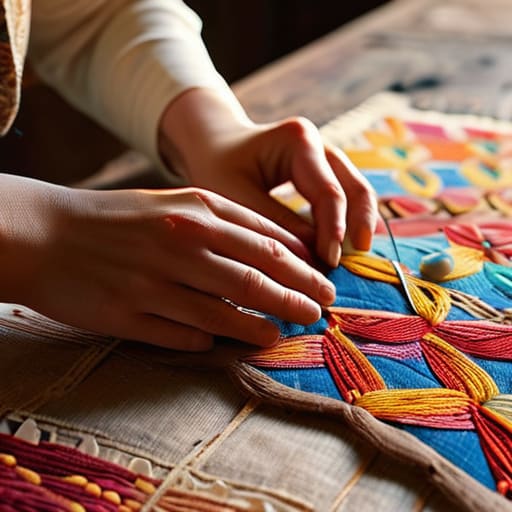
When I’m participating in a historical reenactment—perhaps portraying a legal clerk in a 19th-century courtroom—the weight of the period-accurate textiles reminds me that nothing was ever truly “disposable.” There was a profound respect for the structural integrity of one’s attire. To achieve that same level of durability in your own wardrobe, you must move beyond simple knots and focus on mastering basic hand sewing stitches. It isn’t just about closing a gap; it is about reinforcing the architecture of the garment. Whether you are utilizing a running stitch for speed or a backstitch for strength, the goal is to mimic the original tension of the weave.
If you find yourself facing a more complex tear, such as a thinning heel or an elbow, you might find that invisible mending techniques offer a more sophisticated solution than a standard patch. For those attempting a darning socks tutorial, remember that you are essentially weaving new structural fibers into the existing void. This process requires patience and a steady hand, much like the meticulous drafting of a constitutional amendment, but the result is a piece of clothing that possesses a renewed sense of purpose and longevity.
Invisible Mending Techniques to Restore Societal Value
Sometimes, the most profound repairs are those that leave no trace, much like the quiet, behind-the-scenes work of civil rights advocates who shift the needle of justice without ever seeking the spotlight. In the realm of textiles, this is where we move beyond mere utility and into the art of preservation. When you are learning how to fix a hole in fabric without leaving a bulky scar, you are essentially practicing a form of restorative justice for your wardrobe. By meticulously weaving new threads through the existing warp and weft, you can achieve invisible mending techniques that honor the original integrity of the garment rather than simply masking its flaws.
This level of precision requires patience—a virtue I often find lacking in our modern, “disposable” culture. To succeed, your essential sewing kit for beginners should include fine needles and thread that match the weight and color of your fabric with absolute fidelity. Whether you are tackling a delicate silk blouse or a stubborn pair of trousers, the goal is to make the repair seamlessly integrated into the history of the item. We aren’t just patching holes; we are ensuring that the stories woven into our clothing endure.
The Stewardship of Thread: Five Principles for a Lasting Repair
- Select your materials with the same scrutiny a constitutional scholar applies to a primary source; using a thread that matches the weight and fiber of your garment ensures the repair becomes an integrated part of the whole rather than a forced imposition.
- Prioritize the “precedent” of your preparation by washing and ironing the area before you begin, as attempting to mend a garment in its current, chaotic state often leads to structural failures that mirror poorly drafted legislation.
- Embrace the tension of the needle, but avoid the tyranny of the pull; if your stitches are too tight, you risk puckering the fabric and creating a permanent distortion, much like an overzealous ruling can warp the very social fabric it seeks to protect.
- Treat every small tear as a matter of immediate jurisdiction; addressing a minor fray early prevents the “cascading failure” of the textile, much like how addressing small injustices prevents the erosion of larger systemic integrity.
- View your imperfections not as flaws, but as the “living history” of the garment, choosing to reinforce rather than hide where appropriate, acknowledging that a well-mended seam tells a story of resilience and continued purpose.
The Threads That Bind Us
As we close our sewing kits, it is worth reflecting on the journey we have taken from the initial assessment of a tear to the mastery of those delicate, invisible stitches. We have moved beyond mere repair, transitioning from simple functional fixes to a more intentional practice of restoring integrity to our most personal belongings. Whether you chose the sturdy reliability of a running stitch or the subtle artistry of invisible mending, you have done more than just fix a garment; you have actively resisted the modern impulse to discard and replace. By mastering these fundamental techniques, you have reclaimed a sense of stewardship over your material world, ensuring that the things we wear can endure the same tests of time that we face ourselves.
In my legal work, I often see how the most profound changes in society don’t come from sweeping, sudden revolutions, but from the slow, meticulous stitching together of individual rights and communal responsibilities. Hand-mending is much the same. It is a quiet, meditative act of civic mindfulness applied to the domestic sphere. When we choose to mend rather than discard, we are making a small but significant statement against a culture of disposability. I hope you carry this spirit of resilience forward, remembering that every stitch is an opportunity to honor the past and weave a more sustainable future, one thread at a time.