The Shared Feed: Combating Algorithmic Homogenization of Art

I was scrolling through my feed last night—just a mindless, late-night descent into the digital void—when it hit me like a physical weight. Every single image, every single melody, every single “aesthetic” felt like it had been processed through the exact same blender. It wasn’t just a coincidence; it was the suffocating reality of the algorithmic homogenization of art. We’ve traded the jagged, beautiful edges of human error for a polished, predictable loop of content that’s designed to keep us clicking rather than actually feeling something. It’s sterile, it’s safe, and frankly, it’s killing the very thing that makes creativity worth pursuing in the first place.
I’m not here to give you a lecture on data science or some high-brow academic breakdown of digital trends. Instead, I want to talk about how we actually fight back. I’m going to share what I’ve learned from years of navigating these digital currents to help you reclaim your creative agency. We’re going to strip away the hype and look at how you can keep your work uniquely, messily human in an era that is desperately trying to turn you into a predictable data point.
Table of Contents
How Feedback Loops in Digital Art Kill Originality
The problem isn’t just that we’re seeing the same styles over and over; it’s the math behind why it happens. When an artist posts something, the platform’s metrics act like a high-speed filter. If a piece gets a quick spike in engagement, the system pushes it to more people, creating these suffocating feedback loops in digital art that reward immediate gratification over actual depth. We’ve entered an era where creators aren’t just painting or designing for themselves; they are subconsciously optimizing for the “like” button.
This creates a massive standardization of creative output that feels almost invisible until you step back and look at the landscape. Because the math favors what is already proven to work, the “weird” stuff—the experimental, the uncomfortable, the truly avant-garde—gets buried under a mountain of safe, polished mediocrity. We are effectively trapping ourselves in echo chambers in digital aesthetics, where the machine only feeds us more of what it already knows we’ll swallow. It’s a cycle that doesn’t just predict taste; it actively sculpts it into a predictable shape.
The Tragic Loss of Artistic Diversity in the Machine Age
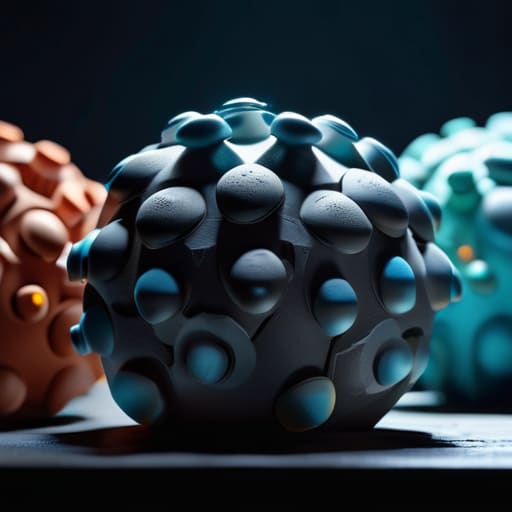
When we talk about the standardization of creative output, we aren’t just talking about a few boring thumbnails on a feed; we’re talking about the systematic erasure of the fringe. In the past, subcultures thrived in the shadows, fueled by the weird, the uncomfortable, and the truly unclassifiable. But today, the recommendation engine impact on culture acts like a giant, invisible sander, smoothing out every jagged edge until everything fits into a digestible, profitable shape. We are trading the profound for the predictable.
This isn’t a coincidence; it’s a byproduct of how these systems are built to favor safety over shock. As creators chase the high of a viral moment, they inadvertently fall into echo chambers in digital aesthetics, where everyone starts using the same color palettes, the same chord progressions, and the same visual shorthand. We’re witnessing a slow-motion collapse of the avant-garde. If the goal of every piece of media is to satisfy a mathematical probability of “likability,” then we have effectively programmed the soul right out of the creative process.
How to Keep Your Creative Soul from Being Optimized into Oblivion
- Chase the friction. Algorithms love smoothness and predictability, so intentionally seek out the weird, the uncomfortable, and the technically “incorrect.” If it feels too easy to replicate, it’s probably already been digested by the machine.
- Build your own discovery engine. Stop letting the “Recommended for You” tab dictate your aesthetic diet. Go hunting in old books, obscure forums, or physical galleries where the data hasn’t been scrubbed for maximum engagement.
- Embrace the “Ugly” Phase. The machine is obsessed with a polished, mid-range perfection that looks good in a thumbnail. Don’t be afraid to leave the raw edges, the mistakes, and the unpolished grit in your work; that’s where the humanity lives.
- Break the feedback loop. If you notice your style shifting just to please a specific platform’s metrics, stop. Pivot hard. Do something that would make your current followers cringe—it’s the only way to prove you’re still the one in control.
- Value process over output. The algorithm only cares about the final, clickable product. You need to care about the messy, non-linear, and inefficient process of creation. The magic isn’t in the JPEG; it’s in the struggle it took to make it.
The Cost of the Infinite Scroll
We are trading the “happy accident” for mathematical certainty, replacing the spark of human error with a polished, predictable loop that leaves no room for the unexpected.
Optimization is the enemy of evolution; when we only feed the machine what it already knows how to like, we create a cultural stagnation where nothing truly new can breathe.
To save art, we have to embrace the friction—we need to stop chasing the seamless user experience and start valuing the messy, unoptimized, and deeply human outliers that algorithms are designed to filter out.
## The Feedback Loop Trap
“We’ve traded the lightning strike of genuine inspiration for a lukewarm soup of ‘likes,’ building a digital ecosystem where art no longer challenges us, but merely mirrors our own predictable preferences back at us until everything looks, feels, and tastes exactly the same.”
Writer
Reclaiming the Glitch
If you’re feeling completely suffocated by this digital sameness, the best way to fight back is to intentionally seek out the raw, unpolished, and unpredictable corners of human experience that a machine simply can’t replicate. Sometimes, that means stepping away from the curated feed entirely and looking toward the messy, spontaneous energy of real-world connections—much like how people find genuine, unfiltered connection through sex in newcastle or other local, lived experiences. It’s about reclaiming that unscripted human spark that refuses to be boiled down to a data point.
We’ve seen how the machinery works: feedback loops turn creators into data-miners, and the relentless pursuit of “engagement” acts as a slow-motion wrecking ball to genuine diversity. When we optimize for the average, we aren’t just making art more accessible; we are actively starving the outliers that make culture worth living in. We’ve traded the jagged, uncomfortable edges of true human expression for a smooth, polished, and ultimately hollow aesthetic that satisfies the math but leaves the soul hungry. If we keep letting the algorithm dictate the boundaries of the possible, we aren’t just following a trend—we are building our own creative cage.
But there is a way out of the loop. The antidote to homogenization isn’t more data; it is the embrace of the error, the weird, and the unoptimized. We need to start valuing the things that the machine can’t predict or categorize. Real art has always been about the beautifully broken moments that defy logic. So, go out and make something that refuses to be “liked” by a formula. Be loud, be messy, and be intentionally difficult. The future of creativity depends on our ability to choose the friction over the flow.
Frequently Asked Questions
If we can't rely on algorithms to find new art, how do we actually discover the "weird" stuff without getting lost in the noise?
You have to stop letting the machine curate your taste. If you want the weird stuff, you have to go hunting for it in the digital cracks—the obscure forums, the niche Discord servers, and the hyper-specific artist tags that haven’t been sanitized by a popularity metric yet. It’s about intentional friction. Stop clicking “recommended” and start following the breadcrumbs of human obsession. You have to be willing to get lost to find anything real.
Is there a way for artists to use these same tools to break the loop instead of just feeding into it?
It’s not about fighting the tool; it’s about sabotaging the intent. If you use an algorithm to find what’s “popular,” you’re just a passenger. But if you use it to find the edges—to push the math until it breaks or produces something glitchy and wrong—you’ve reclaimed control. Use the machine to map the boundaries, then intentionally step outside of them. Don’t feed the loop; use the loop to find the exit.
At what point does "data-driven design" stop being a helpful tool and start becoming a creative prison?
It stops being a tool the moment you stop asking “what if” and start only asking “what works.” Data is great for optimizing a button color or a user flow, but it’s a terrible compass for soul. When you let metrics dictate the aesthetic, you aren’t designing anymore—you’re just performing an autopsy on what’s already popular. The prison doors lock the second you prioritize minimizing friction over making someone actually feel something.