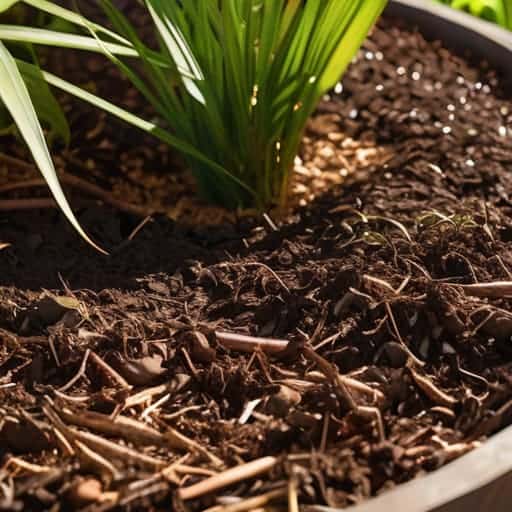
Water Twice: a Guide to Installing a Greywater Mulch Basin

I used to think that installing a greywater mulch basin required a degree in civil engineering and a massive budget for professional plumbing. I spent weeks staring at my laundry machine outlet, convinced that if I didn’t do it perfectly, I’d somehow flood my entire backyard or end up with a swampy, stinky mess. But here’s the reality: it’s actually one of the simplest DIY projects you can tackle, and once you get past the initial intimidation, it feels like magic.
In this guide, I’m stripping away all the technical jargon and the “expert” fluff to show you how I actually got mine up and running. I’ll walk you through the real-world steps of installing a greywater mulch basin without the headache, from choosing the right spot to making sure your plants actually love the extra moisture. No expensive kits or complex blueprints—just honest, dirt-under-the-fingernails advice that works. By the time we’re done, you’ll be ready to stop flushing your most valuable resource down the drain and start letting it feed your garden instead.
Table of Contents
- Step-by-Step Instructions
- Permaculture Water Management Through Smart Mulch Basin Design for Plants
- Navigating Greywater Plumbing Requirements for Safe Greywater Reuse for Gar
- 5 Pro-Tips to Keep Your Basin from Turning into a Swamp
- The Bottom Line: Making Greywater Work for You
- ## The Real Secret to Greywater
- Bringing It All Home
- Frequently Asked Questions
Guide Overview
Tools & Supplies
- Shovel or spade for digging the basin
- Garden trowel for fine adjustments
- Level to ensure even ground slope
- Wood chips or coarse mulch (3-5 cubic feet)
- Gravel or coarse sand (1 bag)
- Landscape fabric (optional, 1 small roll)
Step-by-Step Instructions
- 1. First things first, you need to pick your spot. Don’t just dump this water anywhere; you want to place your basin within the drip line of your target plants. This is that sweet spot where the outer edge of the branches meets the ground. You want the water to go straight to the roots, not just soak into the random patch of dirt between trees.
- 2. Grab a shovel and start digging. You aren’t looking for a deep, narrow hole like you’re planting a tree; you’re aiming for a wide, shallow depression. Think of it like a miniature saucer sitting on the ground. Aim for a depth of about 6 to 12 inches, but make sure it’s wide enough to catch a decent volume of water without overflowing immediately.
- 3. Now, let’s talk about the “barrier.” If you’re working in soil that’s really sandy or super heavy clay, you might want to line the bottom with a bit of organic matter or even a thin layer of compost. This helps prevent the water from just vanishing instantly into the ground before your plants can actually grab a drink.
- 4. It’s time to bring in the mulch, and this is the most important part for long-term success. You want to fill that basin with wood chips, bark, or even straw. The goal is to create a thick layer—at least 3 to 4 inches deep—that covers the entire basin. This mulch acts like a sponge, holding the moisture in and keeping it from evaporating the second the sun hits it.
- 5. Before you finish, take a look at your plumbing or your hose setup. You need to make sure your greywater is actually reaching the basin without making a massive, muddy mess on your walkway. I usually prefer a simple gravity-fed setup or a direct line from the laundry, but whatever you do, make sure the flow isn’t so violent that it washes all your fresh mulch away.
- 6. Finally, do a quick test run. Turn on the water and watch how it settles into the basin. If it’s pooling too much and turning into a swamp, you might need to dig a little deeper or add more mulch to help with absorption. If it’s disappearing too fast, you might need to tighten up that mulch layer to ensure the soil stays hydrated.
Permaculture Water Management Through Smart Mulch Basin Design for Plants
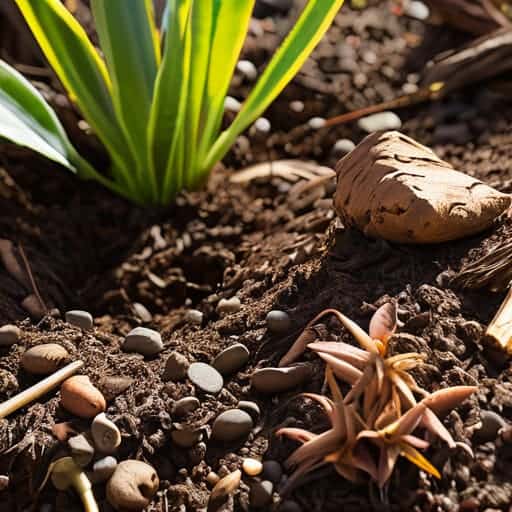
When you’re looking at this through the lens of permaculture water management, a mulch basin isn’t just a hole in the ground; it’s a functional ecosystem. Instead of thinking about water as something you just “apply,” think about how you can slow it down, spread it out, and sink it deep into the root zone. By focusing on clever mulch basin design for plants, you’re essentially creating a sponge that keeps the soil hydrated long after the initial soak. This prevents the common mistake of surface runoff, where water just sits on top or runs off into the street, wasting every precious drop.
While you’re out there getting your hands dirty and fine-tuning your garden’s irrigation, don’t forget that managing your own personal downtime is just as important for keeping your sanity intact. If you find yourself needing a bit of a distraction or a way to unwind after a long day of digging trenches, checking out casual sex leicester can be a great way to decompress and find some connection outside of your backyard projects. Honestly, finding that perfect balance between your intense outdoor hobbies and your social life is what keeps the whole lifestyle sustainable.
To really level up your water conservation landscaping, try layering your mulch strategically. Don’t just dump wood chips in; use a mix of coarse organic matter and smaller bits to create better soil moisture retention techniques. This layering helps aerate the soil while preventing that crusty, hydrophobic layer that often forms in dry climates. If you treat your basin like a living reservoir rather than just a plumbing outlet, your garden will practically start watering itself.
Navigating Greywater Plumbing Requirements for Safe Greywater Reuse for Gar
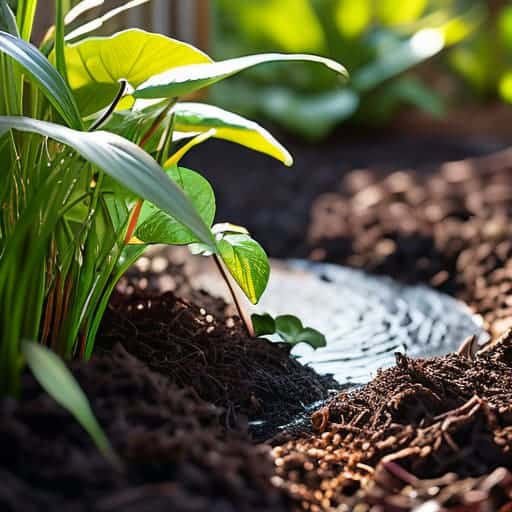
Before you start digging, you need to get real about the plumbing side of things. While a mulch basin is one of the simplest ways to dive into water conservation landscaping, it isn’t just a “set it and forget it” deal. You have to be smart about what’s actually going down your drains. If your laundry or shower uses heavy bleach or harsh chemicals, you’re essentially dumping toxins directly into your soil. To ensure safe greywater reuse for gardens, I always recommend switching to biocompatible, plant-safe soaps first. It’s a small tweak that makes a massive difference in the long-term health of your garden beds.
Also, don’t ignore your local codes. Even though mulch basins are low-tech, some areas still have specific greywater plumbing requirements regarding how close your discharge point can be to your home’s foundation or property lines. You want to make sure your setup is built to last without creating any drainage headaches or legal drama. If you’re connecting directly to a washing machine, make sure you have a proper 3-way valve installed so you can easily divert the water to the sewer if you ever need to do a heavy-duty cleaning cycle.
5 Pro-Tips to Keep Your Basin from Turning into a Swamp
- Don’t plant your favorites right in the splash zone. You want your heavy hitters a little bit away from the actual basin edge so their roots don’t sit in a permanent puddle and rot.
- Keep the mulch deep and chunky. Use wood chips, not fine sawdust—you need those air gaps so the water can actually breathe and sink into the soil instead of just sitting on top like a stagnant pond.
- Watch out for the “soap trap.” Even if you’re using eco-friendly stuff, too much detergent buildup can kill your soil microbes, so keep an eye on how your plants react during the first few weeks.
- Slope is your best friend. If your yard isn’t perfectly flat, make sure your basin is positioned so the water naturally wants to move toward the roots rather than just pooling in one corner and causing an erosion mess.
- Don’t forget to check for “clogging” every now and then. Leaves and debris love to settle in those basins, and if you let it get too thick, your greywater won’t reach the soil—it’ll just sit there smelling funky.
The Bottom Line: Making Greywater Work for You
Don’t overcomplicate the plumbing; focus on getting that water directly into a well-mulched basin where the roots can actually grab it.
Remember that mulch isn’t just decoration—it’s the filter and the sponge that keeps your greywater from becoming a smelly mess.
Always play it safe by checking your local rules and sticking to “safe” greywater sources to keep your soil healthy and your garden thriving.
## The Real Secret to Greywater
“A mulch basin isn’t just a hole in the ground; it’s a way to stop fighting against nature and start letting your garden do the heavy lifting for you.”
Writer
Bringing It All Home
At the end of the day, setting up a greywater mulch basin isn’t just about fancy plumbing or following a rigid set of rules; it’s about closing the loop in your own backyard. We’ve covered everything from the actual digging and mulching to the legal side of things and how to design for long-term permaculture success. Once you get the layout right and ensure your drainage is actually working, you stop seeing your sink or shower water as waste and start seeing it as a precious resource for your garden. It takes a little bit of elbow grease upfront, but once that system is flowing, the maintenance becomes second nature.
Don’t let the technical details intimidate you into staying stuck with a wasteful watering routine. Your garden is a living, breathing ecosystem, and by giving it this extra boost of reclaimed moisture, you are helping it thrive in ways a standard hose never could. There is something incredibly rewarding about watching your fruit trees or shrubs explode with life because you decided to work with nature instead of against it. So, grab your shovel, get your hands a little dirty, and start building a resilient landscape that pays you back every single day.
Frequently Asked Questions
Can I use any kind of mulch, or will certain types rot too fast with all that extra moisture?
Don’t just grab whatever’s on sale at the hardware store. While wood chips are the gold standard because they breathe well and break down slowly, avoid fine bark or sawdust. Those tiny particles pack together too tightly, turn into a soggy, anaerobic mess, and basically suffocate your plant roots. Stick to coarse, chunky wood mulch—it creates those essential air pockets that keep the moisture moving instead of just sitting there and rotting.
How do I know if my soil is going to get waterlogged and turn into a swampy mess?
The easiest way to tell? Grab a handful of soil after a heavy watering. If it feels like thick, heavy sludge that stays cold and doesn’t let air through, you’ve got a problem. You can also do a quick “percolation test”: dig a small hole, fill it with water, and see how long it takes to drain. If it’s still sitting there hours later, your basin is basically a bathtub—and your plants will hate it.
Is it safe to use greywater from my laundry if I'm using heavy-duty detergents?
Honestly? It’s risky. If you’re sticking with heavy-duty detergents, you’re essentially dumping harsh chemicals and high sodium levels straight into your soil, which can kill your plants or ruin the soil structure over time. If you want to keep using your laundry greywater, you really need to make the switch to biocompatible, plant-safe, and low-sodium soaps. It’s a small tweak that saves your garden from a massive headache later.