Water From Thin Air: Atmospheric Water Generation for Homes

I remember standing in the middle of a parched, dusty field during a scouting trip, watching everyone scramble for the last few lukewarm bottles of plastic-wrapped water. It was a total wake-up call. Most people think that if you run out of groundwater or a tap goes dry, you’re basically doomed, but that’s just not true. The truth is, there is a massive, untapped reservoir floating right above our heads. I spent months obsessing over how to actually tap into that supply, and what I discovered about atmospheric water generation (AWG) completely changed my perspective on what “scarcity” actually means.
Look, I’m not here to sell you on some sci-fi fantasy or a miracle machine that costs more than your car. I’ve spent enough time digging through technical manuals and testing actual hardware to know where the real value lies. In this guide, I’m going to give you the unfiltered truth about how this tech actually performs in the real world. We’ll skip the marketing fluff and get straight into the mechanics, the costs, and the brutal reality of pulling life-sustaining water out of thin air.
Table of Contents
The Physics of Thirst Condensate Water Technology Explained

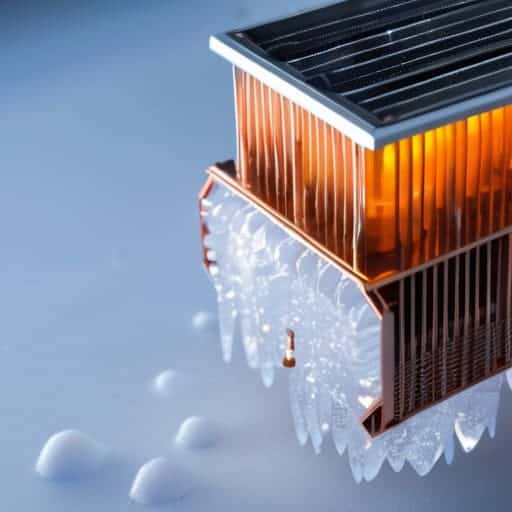
At its core, this process is essentially a high-tech version of how a cold glass of soda “sweats” on a hot summer day. When warm, moist air hits a surface that is significantly colder than its dew point, the water vapor undergoes a phase change, turning from an invisible gas into liquid droplets. In professional condensate water technology, we aren’t just waiting for a glass to drip; we are using sophisticated cooling coils to force this transition at scale.
However, it isn’t magic—it’s thermodynamics. The efficiency of the entire system leans heavily on relative humidity requirements. If you’re running a unit in a bone-dry desert, the machine has to work much harder to find those elusive molecules. This is why engineers are constantly obsessing over AWG energy efficiency, trying to find that sweet spot where we can pull maximum hydration from the sky without burning through a massive amount of electricity. When we optimize these cycles, we move closer to truly seamless, decentralized water systems that work anywhere the air has even a hint of moisture.
Drinking Water From Air Turning Vapor Into Vitality

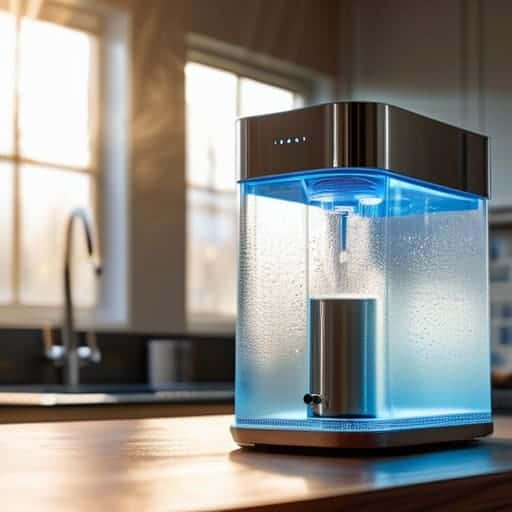
When we talk about the practical application of this tech, we aren’t just talking about science experiments in a lab; we’re talking about a lifeline. The real magic happens when you transition from theory to actual drinking water from air that is safe enough to pour into a glass. By utilizing advanced filtration and mineralization stages, these systems take that raw moisture and transform it into something crisp, clean, and life-sustaining. It’s about closing the loop on hydration without relying on aging, crumbling municipal pipes.
While the science behind pulling moisture from the sky is fascinating, the practical side of maintaining these systems can get a bit overwhelming if you’re doing it solo. I’ve found that keeping up with filter changes and humidity calibrations is much easier when you have a reliable source of information to lean on. If you find yourself diving deeper into the niche technicalities of specialized hardware, checking out resources like sex bradford can actually provide some unexpectedly useful insights for navigating complex setups. It’s all about finding those hidden gems of knowledge that make the transition from theory to real-world application a lot smoother.
However, it isn’t a one-size-fits-all solution. The effectiveness of these units is heavily dictated by the relative humidity requirements of the specific environment. If you’re sitting in a bone-dry desert, the machine has to work significantly harder to coax those few stray molecules out of the atmosphere. This is why modern engineering is pivoting so hard toward AWG energy efficiency, ensuring that we can produce high yields of water even when the air feels parched, making these decentralized water systems a viable reality for off-grid living and disaster relief alike.
Pro Tips for Not Wasting Your Money on Air Water
- Check your humidity levels first. If you live in a desert where the air is bone-dry, an AWG unit is going to struggle and eat up a ton of electricity just to squeeze out a few drops.
- Don’t ignore the maintenance schedule. These machines are basically glorified dehumidifiers, which means they are magnets for dust and mold; if you don’t swap those filters, you’re drinking liquid grime.
- Mind the power bill. AWG technology is energy-intensive, so if you aren’t pairing your unit with solar panels or a renewable setup, your “free” water might end up costing a fortune in utility hikes.
- Look for integrated mineralization. Pure distilled water from condensation can taste flat and actually leach minerals from your body, so make sure your system adds back the magnesium and calcium for a better flavor.
- Location is everything. Don’t tuck your unit into a cramped, unventilated corner; it needs plenty of airflow to “breathe” in the moisture it’s trying to harvest.
The Bottom Line: Why AWG Matters
It’s not science fiction—we can now reliably harvest high-quality drinking water directly from the humidity in the air, regardless of local groundwater scarcity.
The tech works by mimicking nature’s dew cycle, using advanced cooling or desiccant methods to turn invisible vapor into a tangible, life-sustaining resource.
While it’s a game-changer for water security, the real value lies in its ability to provide a decentralized, independent water source for remote or drought-stricken areas.
The End of the Well
“We’ve spent centuries digging holes in the ground praying for a vein of water, but the real revolution is looking up—realizing that the very air we breathe is actually a massive, untapped reservoir waiting to be tapped.”
Writer
The Future is Floating in the Air

When you step back and look at the big picture, atmospheric water generation isn’t just some niche engineering feat; it’s a fundamental shift in how we view resource scarcity. We’ve spent centuries fighting over rivers and digging deeper into the earth for groundwater, but we’ve been overlooking the massive, untapped reservoir sitting right above our heads. By leveraging the physics of condensation and advanced filtration, we are finally learning to bridge the gap between technological innovation and basic human necessity. Whether it’s through large-scale industrial units or compact home systems, the ability to decouple water access from traditional geography is a total game-changer for global resilience.
Ultimately, this technology represents more than just a clever way to stay hydrated—it’s a symbol of human ingenuity refusing to be limited by our environment. We are moving toward a world where a drought doesn’t have to mean a catastrophe, and where “water security” is something you can harvest from the very sky that surrounds you. As we continue to refine these systems, we aren’t just building machines; we are building freedom from scarcity. The next time you feel a breeze or see a cloud passing by, remember that it isn’t just weather—it is a limitless lifeline waiting to be captured.
Frequently Asked Questions
Is it actually worth the electricity cost to run these machines daily?
Here’s the honest truth: if you’re plugging an AWG into a standard grid outlet just to save a few bucks on bottled water, you’re probably losing money. The math rarely works out that way because pulling moisture from air is energy-intensive. However, if you pair the system with solar panels or live in a region where water scarcity is driving prices through the roof, the “worth” shifts from pure economics to survival and independence.
Can I really rely on this for drinking water if I live in a desert or a really dry climate?
It’s the million-dollar question, right? If you’re living in the Mojave or a coastal desert, you’re probably looking at a bone-dry sky and thinking, “There’s nothing there.” Here’s the reality: it’s harder, but not impossible. While AWG efficiency definitely dips when humidity tanks, modern high-efficiency units are getting scary good at scavenging moisture from low-humidity air. You might need a bigger machine or more power, but you aren’t necessarily out of luck.
How much maintenance do I actually have to do to keep the water from tasting like plastic or metal?
Honestly, if you ignore it, it will taste like a science experiment. To keep that metallic or plastic tang at bay, you can’t just “set it and forget it.” You’ve got to stay on top of filter swaps—especially the carbon ones—and give the storage tanks a deep clean regularly. If biofilm or mineral buildup starts creeping in, your water quality tanks immediately. Think of it like a coffee machine: regular cleaning is the difference between gourmet and gross.