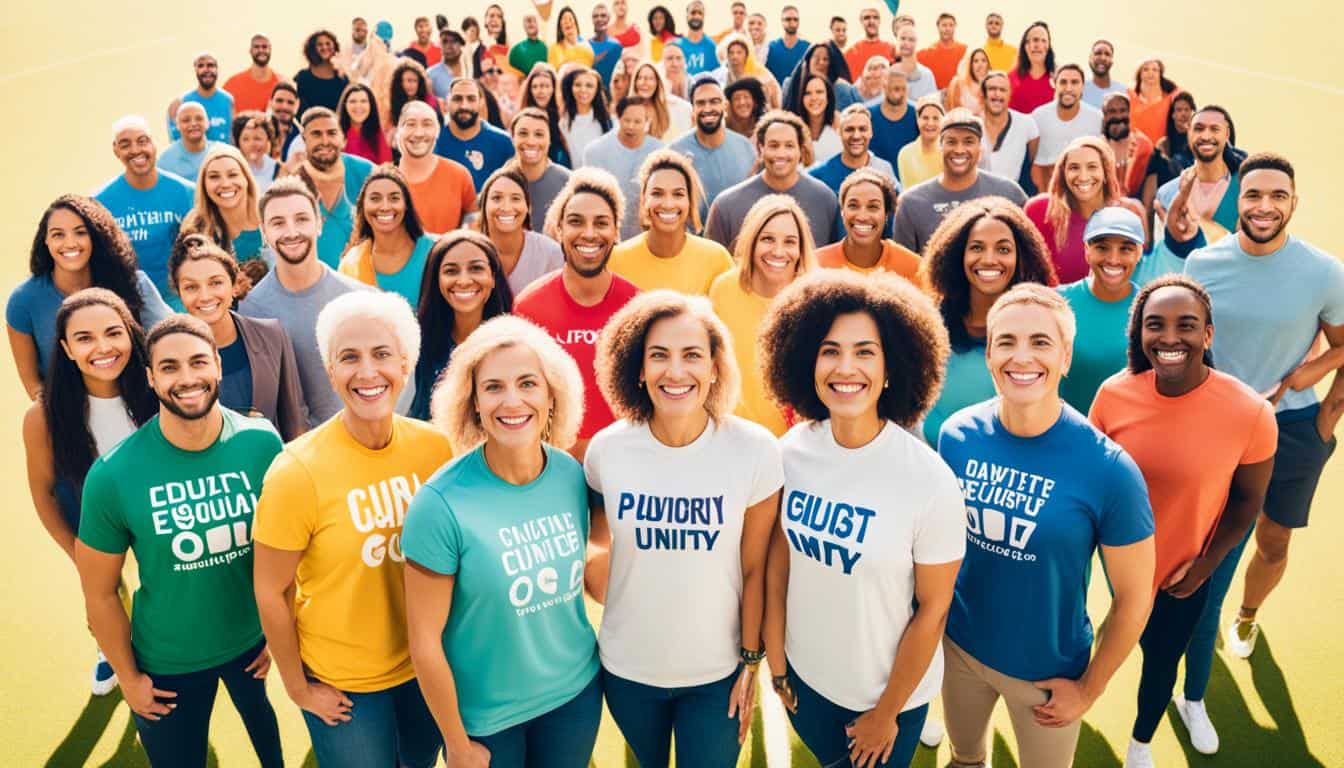
Racial Equity: Striving for Fair Treatment and Opportunity

Did you know systemic inequities cost the United States billions each year? It’s not just about moral and civil rights. Racial equity has huge economic impacts too. Equity means being just, impartial, and fair. It’s about fixing the barriers that keep marginalized communities from having the same chances.
On his first day, President Biden signed Executive Order 13985. This marked a strong push towards racial justice, equality, and inclusivity in government. The order encourages all of the government to fight systemic racism, deep poverty, and inequalities. It targets issues affecting historically underserved communities.
The Justice40 Initiative and updated Agency Equity Action Plans are key strategies. These efforts aim to address disparities made worse by the COVID-19 pandemic. They focus on environmental, educational, and economic injustices. Their goal is to ensure everyone can achieve the American Dream.
By tackling the specific hurdles different communities face, the Biden-Harris team is moving us toward a fairer society. They dream of a world where everyone has equal opportunities and outcomes. This is their vision of racial justice for everyone.
Understanding the Importance of Racial Equity
Racial equity is more than just equal chances for everyone. It means ensuring fair treatment and equal results for all races.
Tackling systemic racism is key to this goal. Over 260 entities have called racism a public health crisis since summer 2020. They stress the need to fight racial disparities for everyone’s health and happiness.
To achieve racial equity, we must change rules, actions, and beliefs that keep inequality alive. The Healing Through Policy plan gives local leaders tools to heal racial wounds and fix social gaps.
Changing policies and workplace cultures is vital. Big companies now see racial equity as crucial to success. Still, many efforts to increase diversity haven’t worked well, showing the need for a culture that listens to everyone.
At Living Cities, making the office feel welcoming to people of color was necessary. They started holding anti-racism workshops for all employees. They also set up a team called CORE for constant training and support.
Using the Person-Role-System method improves how staff work to be more inclusive. The CEO giving up some control to hear more voices is one example. Plus, picking people for their knowledge of racial equity is important.
Dealing well with disagreements is also a key part of this journey. Organizations should see conflict as a chance for big changes. They should welcome these difficult moments as steps towards improvement.
In conclusion, true racial equity takes diverse and strong efforts to end systemic racism. It’s crucial for fair treatment and cutting down racial disparities. Only then can we build a fair and equal society for all.
Diversity and Inclusion: Building a Culture of Belonging
Building a culture of belonging means more than numbers. It’s about truly welcoming different identities and viewpoints in our groups and work. This effort strengthens our connections and growth together.

Defining Diversity and Inclusion
Diversity actions aim to include various groups in a community or workplace. These include women, Black, Latino, Asian Pacific, and LGBTQ+ people. Inclusion efforts make sure these individuals don’t just exist but flourish. They add value meaningfully to the organization.
Molson Coors has made great strides with their Empathy Experience. They created five spaces that show the lives of these diverse groups. This project reaches all North American employees. It aims to build empathy by looking at personal biases and the impact of subtle discrimination.
Strategies for Promoting Diversity
Real diversity initiatives blend these values and actions into the core of an organization. Molson Coors did this by involving all employees in the Empathy Experience. It bonded employees and raised awareness of the challenges faced by marginalized groups. According to Coqual, belonging at work comes from recognizing each person’s unique input, connecting with colleagues, and supporting everyone’s daily tasks and career growth.
Commitment to diversity brings clear gains. Companies leading in gender diversity are more likely to be extremely profitable. Teams with more than 30% female executives surpass those with fewer females significantly. Similarly, ethnic and cultural diversity boosts profits. The most diverse companies financially outdo the least diverse by 36%.
The Role of Leadership in Inclusion Initiatives
Leadership is crucial for inclusion efforts. Leaders must champion a work environment that is empathetic, powerful, and fair. They need to understand racism’s complexities and take comprehensive steps to combat it. Leaders are pivotal in promoting diversity and encouraging everyone’s participation.
When top executives demand action against racial injustice, they make the workplace fairer for all. Molson Coors stresses that everyone is responsible for creating a diverse and inclusive culture. This team effort towards racial fairness and justice reduces the gaps in belonging. It has a big effect on employees of color, making everyone feel welcomed.
The Role of the Federal Government in Advancing Equity
The federal government has been key in pushing for fairness and change. It uses executive orders, policies, and landmark laws to help fix racial inequalities in many areas.
Executive Orders and Policies
The Biden-Harris team has made strides in fairness through several orders. One important order, Executive Order 13985, asks over 90 federal groups to make detailed plans for equity. These plans, updated in 2023, include over 100 new actions aimed at helping everyone.
Impact of Federal Agencies
Since releasing their 2022 Equity Action Plans, federal agencies have started over 650 projects. These efforts have led to real changes, like lowering child poverty to record levels. Thanks to increased Child Tax Credit and more SNAP benefits, people saw an additional $36 per month.

Landmark Legislation and Its Effects
The American Rescue Plan shows the government’s work to lessen gaps. Thanks to it, over 30 million kids got meals during summer 2021, a huge jump from 2019’s numbers. The Justice40 Initiative focuses on giving 40% of clean energy funds to those in need. Efforts to reduce jail time, stop gun violence, and end race-based gaps in law enforcement show the big impacts of these actions.
To sum up, the government’s ongoing work, from executive orders to big laws, aims to make governance fairer. These actions are key to making sure rights, justice, and equal chances are at the heart of U.S. policies and life, bringing change across the country.
Social Justice and Anti-Racism Efforts
To make a difference, we must integrate a racial justice framework into our efforts. This means constantly pushing for anti-racism action. By exploring key elements, we can drive social justice forward.
What is Social Justice?
Social justice means creating a society where everyone has equal chances to succeed. It focuses on tackling structural inequalities and promoting fairness. We must encourage anti-racism and dismantle systemic discrimination to reach equity.
Measures to Combat Racism
To fight racism, we need broad strategies touching on its root causes. For example, the UW’s implicit bias training helps challenge biases in different situations. By applying these strategies, we work towards racial justice.
The addition of continuous education and policy updates ensures we make a lasting impact. Inputs from Slippery Rock University’s PCRED are crucial. They guide reforms towards racial equality.
Empathy and Its Importance in Anti-Racism
Empathy is key in fighting racism. It helps leaders understand the experiences of those marginalized. The UW School of Nursing’s HEALS workshops highlight this. They teach cultural humility crucial for supporting anti-racism work.
When leaders acknowledge their power, they can better fight systemic discrimination. This approach fosters a supportive environment for change.
To sum up, achieving social justice and combating racism requires empathy, action, and dedication to systemic change. These components build a just and equitable society for all.
Racial Equity in the Workplace
It’s crucial to achieve racial equity at work to build an inclusive culture. Racial bias in hiring and evaluation often treats people differently because of their race. This is a big issue, especially since many White workers might not see how common and impactful it is.
Robert Livingston’s PRESS model is a great way to fight racial bias. It leads organizations through five steps: understanding the problem, finding its roots, building empathy, creating a strategy, and making sacrifices. This approach helps understand the deep reasons behind racial unfairness and fosters empathy towards those affected.
Companies can change norms and policies to make the workplace fairer. Leaders have a big role in pushing for racial equality. By making fair hiring rules, supporting diversity, and building an inviting culture, great strides can be made. It shows that businesses, with enough commitment, can make real changes towards racial equity.