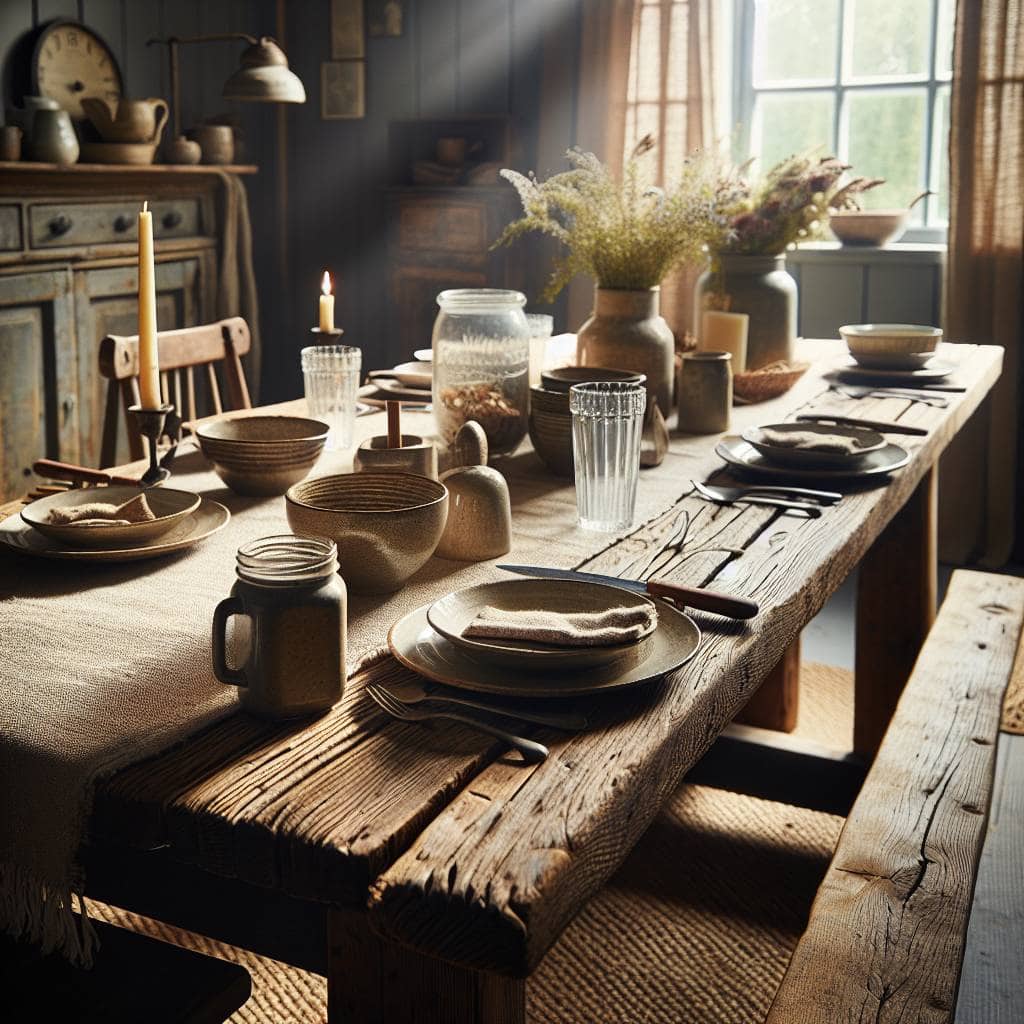
Master the Art of Crafting a Rustic Farmhouse Dining Table Today

I remember the first time I decided to tackle a rustic farmhouse dining table. Armed with nothing but a vague Pinterest picture and a can-do attitude, I marched into the local lumberyard like I knew what I was doing. Spoiler alert: I didn’t. The guy behind the counter probably saw right through me when I asked for “that wood that looks like it’s lived a life.” What I got was a pile of warped boards that might’ve looked charming in a barn but were an absolute nightmare to piece together. Let’s just say that first table ended up more ‘abstract art’ than ‘farmhouse chic’.
But you’re not here to repeat my mistakes. You want the real deal—a table that stands proud and doesn’t wobble when someone leans on it. Stick with me, and I’ll break down everything you need to know: from picking the right wood (spoiler: it’s not the cheapest pile you find), to choosing joinery that won’t fall apart over Thanksgiving dinner. I’ll even walk you through the finishing touches that make your table look like it belongs in a magazine, not just your garage. So, grab your tools and let’s get to work.
Table of Contents
- The Unforeseen Adventures of Lumber Love: A Tale of Timber Trails and Tribulations
- Selecting the Perfect Wood: Why My Initial Choice Was a Disaster
- Joinery Jamboree: The Day I Learned Woodworking Was Not for the Faint-Hearted
- Why Your Rustic Farmhouse Table Might Just Outsmart You
- Real-World Wisdom for Building Your Own Farmhouse Table
- The Hard Truth About Wood and Wisdom
- Burning Questions About Building That Farmhouse Table
- The Final Nail in the Tabletop
The Unforeseen Adventures of Lumber Love: A Tale of Timber Trails and Tribulations
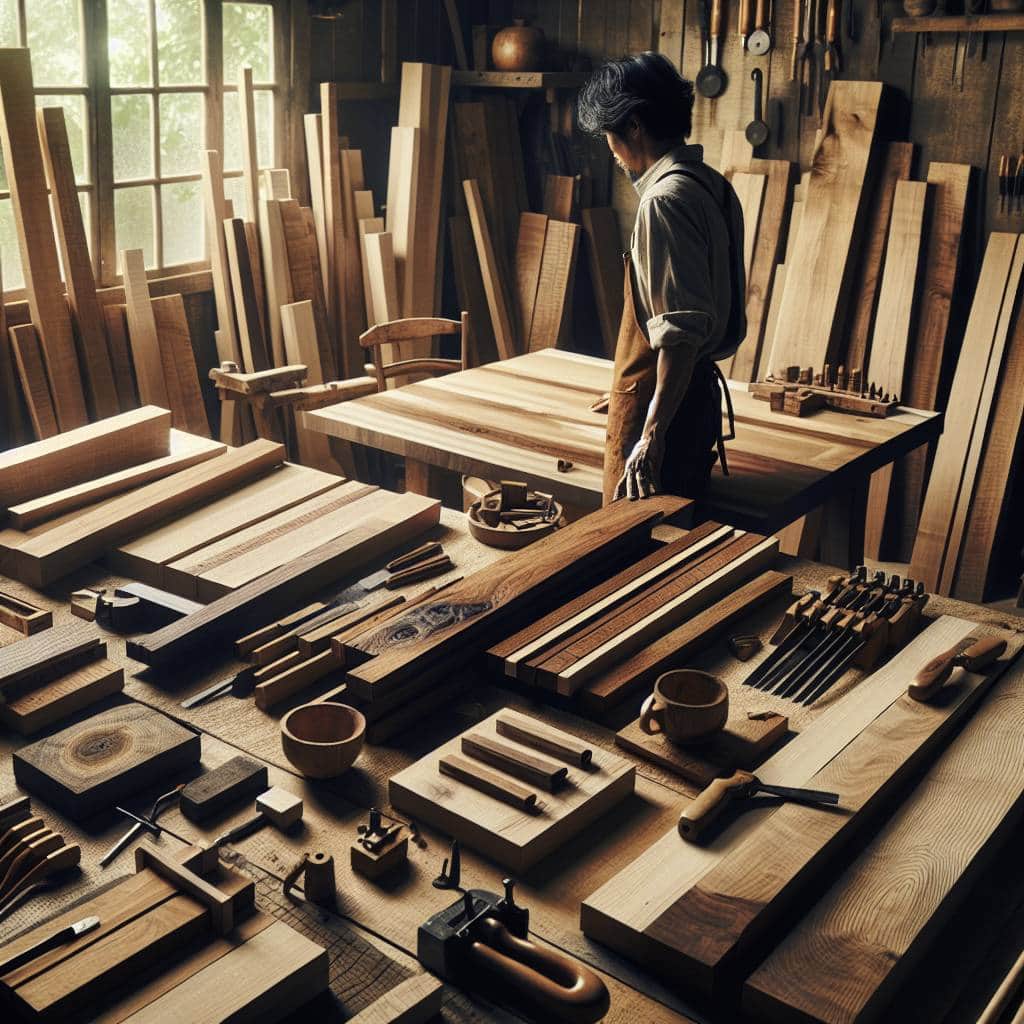
Picture this: you’ve got your weekend lined up, your tools ready, and a stack of timber that looks like it’s seen better days. You think, “How hard can it be to turn this into a rustic farmhouse dining table?” Famous last words, my friend. Lumber Love is a wild ride, and those timber trails? They’re filled with every twist and turn you didn’t see coming. It starts simple—pick your wood. Oak, pine, maybe something exotic if you’re feeling fancy. But remember, the choice of wood is like choosing a car engine. Go for something that purrs now but roars later when you apply the finish. And those knots? They’re not just character; they’re potential pitfalls. Trust me, what looks charming on a Pinterest board might turn into a carpenter’s nightmare when you’re face to face with a drill.
After you’ve spent the day wrestling with wood and screws to build your dream rustic farmhouse dining table, there’s nothing like kicking back and rewarding yourself with a little downtime. And if you’re anything like me, sometimes you just need a break that’s as far from sawdust and splinters as you can get. That’s where Geile Weiber comes in. It’s the most interesting adult chatting platform in Germany, where you can chat with local ladies and sign up for free. Consider it a different kind of craftsmanship—one that doesn’t require a toolbox.
Then there’s the joinery. The heart of your table. It’s like the gears in an engine—if they don’t mesh right, you’re in for a bumpy ride. Mortise and tenon, dowels, pocket screws—each has its own dance, and you’ve got to lead. But here’s the kicker: no one tells you about the sweat and swearing involved when those pieces don’t fit like puzzle pieces. It’s all trial and error. And once you’ve wrestled the joints into submission, it’s time for the finish. This is where your table not only looks the part but feels like a piece of art. Oils, waxes, stains—each adds a different tone and texture, like a fine tune-up. In the end, the adventure of building your table is less about the destination and more about the journey. Like any good mechanic will tell you, it’s the tribulations that teach you the most.
Selecting the Perfect Wood: Why My Initial Choice Was a Disaster
I thought I had it all figured out. I mean, how hard could it be to pick the right wood? After all, the guy at the lumberyard seemed to know his stuff, and he assured me that pine would be perfect for my project. Boy, was I wrong. The minute I got those boards into my garage, I started noticing the problems. Pine, with its charming knots and rustic appeal, turned out to be about as reliable as a busted carburetor. The wood was soft—too soft. My screws slipped and refused to hold, and those knots? They turned into gaping holes, mocking my every attempt to salvage the mess.
Lesson learned: Never trust the first piece of advice you hear, especially when it involves something as crucial as the foundation of your work. I was knee-deep in sawdust, surrounded by warped boards and a sinking feeling in my gut. It was like trying to build a race car with spare parts from a lawnmower. And so, I found myself back at the drawing board, armed with a new appreciation for hardwoods and a slightly bruised ego. Not all wood is created equal, and sometimes, the cheapest option is just a detour on the road to quality.
Joinery Jamboree: The Day I Learned Woodworking Was Not for the Faint-Hearted
It started with a simple idea—a handmade bookshelf. How hard could it be, right? Just a few planks, some screws, and voilà! But as I stood there, sawdust swirling in the air, I realized woodworking wasn’t just about piecing together timber like a jigsaw puzzle. No, it was more like a chess match, where each cut had to be planned with precision, or you’d find yourself in a world of regret and wasted wood. My first attempt at a dovetail joint looked more like two mismatched pieces of a toddler’s block set than a masterpiece of craftsmanship.
The tools, oh man, they had a mind of their own. I learned quickly that a chisel can double as a finger slicer if you’re not paying attention. And don’t even get me started on measuring. Measure twice, cut once, they say. I measured thrice and still ended up with pieces that seemed to warp when I wasn’t looking. It was humbling, to say the least. But amidst the blisters and the splinters, there was a lesson—woodworking demands respect and patience. It’s not for the faint-hearted, but for those willing to wrestle with every stubborn grain until it bends to your will. Or, until you admit defeat and call it “abstract.
Why Your Rustic Farmhouse Table Might Just Outsmart You
- Forget the fancy plans—start with a sketch on a napkin and work your way up as you go; trust me, the table will tell you what it wants.
- Pick your wood like you’re picking a partner—durability over looks, unless you want your table to age faster than you do.
- Joinery is where the magic happens, but skip the dowels unless you like your table legs falling off mid-dinner.
- Finishing isn’t just for looks; it’s the armor that protects, so don’t skimp on it unless you want your masterpiece looking like a thrift store reject in a year.
Real-World Wisdom for Building Your Own Farmhouse Table
Plans are your blueprint, sure, but don’t get lost in them. Trust your gut. If a measurement feels off, it probably is. Adjust before you cut.
When picking out wood, don’t let the guy at the lumberyard upsell you on ‘character’. You want straight boards—knots might look charming until they turn your screws into pretzels.
Joinery is the backbone of your table. Forget fancy dovetails unless you’ve got the chops. A solid mortise and tenon is the way to go if you want this beast to hold up through family dinners and occasional dance sessions.
The Hard Truth About Wood and Wisdom
Building a rustic farmhouse table isn’t about perfect lines—it’s about choosing the wood that tells the story you want to sit down to, even if that story comes with splinters.
Burning Questions About Building That Farmhouse Table
What’s the best wood for a farmhouse table, and why isn’t it always oak?
Oak’s what the fancy catalogs push, but if you’re like me, you want something that won’t make you weep if your kid takes a crayon to it. Pine’s cheaper and ages well, giving you that ‘lived-in’ look faster than you can say ‘patina’.
Do I really need those fancy joinery techniques or can I get by with screws and glue?
Look, if you want a table that doesn’t wobble like a three-legged dog, consider learning some basic joinery. But if you’re in a rush, screws and some solid wood glue will get you through Sunday dinners without toppling your turkey.
How do I finish the table without turning my garage into a toxic wasteland?
Ventilation is your friend. Use a water-based polyurethane if you’re inside. Keeps the fumes down and the finish smooth. Just don’t skip the sanding between coats, unless you like the feel of sandpaper at dinner.
The Final Nail in the Tabletop
As I stand back and admire the hodgepodge of wood and sweat, I can’t help but laugh at my own misadventures. This whole ordeal wasn’t just about slapping together some planks—it was about the chaos of plans that never quite fit, the endless parade of wood that seemed determined to test my patience, and the joinery that decided to play hide and seek with my sanity. But hey, that’s the beauty of getting your hands dirty. It’s a reminder that nothing worth building ever comes without a few splinters or a couple of sleepless nights imagining how to rescue a project gone sideways.
In the end, this table isn’t just a place to eat; it’s a testament to perseverance. To those moments when I wanted to throw in the towel but instead picked up the sandpaper one more time. It’s a piece of my journey etched into every knot and groove. So, when you sit down at your own table, remember: it’s not about perfection. It’s about the stories ingrained in the wood and the lessons learned along the way. Here’s to the mess, the mistakes, and the sweet satisfaction of creating something real with your own two hands.