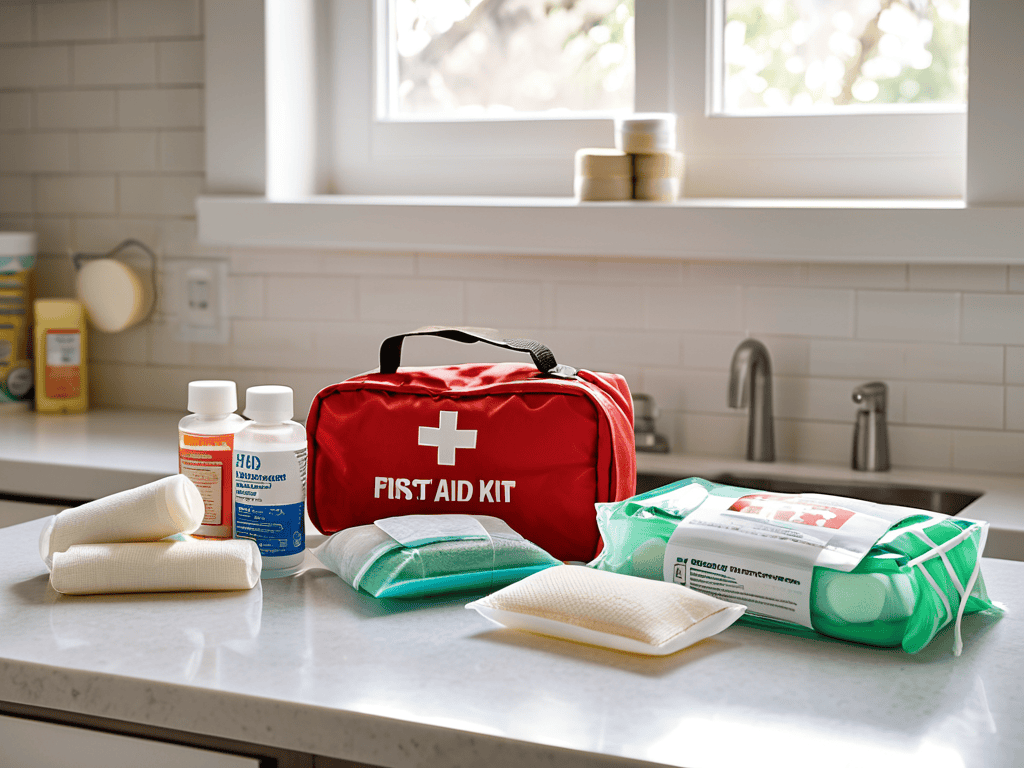
A Practical Guide to Basic First Aid Every Home Should Have

I still remember the day my kid came running into the kitchen with a nasty cut on her forehead – it was a wake-up call for me to learn about a guide to basic first aid for common household injuries. As a parent, it’s heartbreaking to see your child hurt, but it’s even more frustrating when you don’t know how to help them. That’s why I’ve made it my mission to learn and share the most effective, no-nonsense tips for treating those everyday accidents that can happen to anyone.
In this article, I’ll cut through the noise and give you the honest truth about what works and what doesn’t when it comes to basic first aid. You’ll learn how to treat burns, stop bleeding, and ease pain – all with simple, easy-to-follow instructions. My goal is to empower you with the knowledge and confidence to handle any common household injury that comes your way, so you can focus on what really matters: keeping your loved ones safe and healthy.
Table of Contents
Guide Overview: What You'll Need
Total Time: 1 hour 15 minutes
Estimated Cost: $20 – $50
Difficulty Level: Easy
Tools Required
- First Aid Kit (fully stocked)
- Gloves (latex or nitrile)
- Scissors (for cutting bandages)
- Tweezers (for removing splinters)
Supplies & Materials
- Bandages (assorted sizes)
- Gauze Pads (2 inches x 2 inches)
- Antiseptic Wipes (for cleaning wounds)
- Cold Pack (for reducing swelling)
- Over-the-counter Pain Relievers (such as acetaminophen or ibuprofen)
Step-by-Step Instructions
- 1. First, let’s talk about cut and scrapes – when you get a minor cut at home, the first step is to stop the bleeding by applying gentle pressure with a clean cloth or bandage for a few minutes. Make sure to elevate the injured area above heart level to reduce blood flow.
- 2. Next, you’ll want to clean the cut with cool or lukewarm water and mild soap to prevent infection. Avoid using harsh soap, hydrogen peroxide, or iodine, as these can irritate the skin and slow healing. Pat the area dry with a clean towel, rather than rubbing it vigorously.
- 3. For minor burns, the key is to act quickly to reduce the temperature of the burned skin. Run cool tap water over the burn for about 10 minutes, or apply a cool, wet compress to the affected area. Never use ice or ice water, as this can cause further damage. You can also apply a topical antibiotic ointment to help prevent infection.
- 4. When it comes to sprains or strains, the goal is to reduce pain and swelling. Apply the RICE method: Rest the injured area, Ice it for 15-20 minutes at a time, Compress it with an elastic bandage, and Elevate it above heart level. You can also take over-the-counter pain relievers like acetaminophen or ibuprofen to help manage discomfort.
- 5. If someone in your household experiences a severe allergic reaction, it’s essential to act fast. Call emergency services or your local emergency number immediately if you notice severe symptoms such as difficulty breathing, rapid heartbeat, or a drop in blood pressure. If the person is unconscious, not breathing, or not responsive, begin CPR if you are trained to do so.
- 6. For nosebleeds, sit up straight and lean forward to prevent blood from flowing down the back of your throat. Use your thumb and index finger to pinch the nostrils shut for about 5-10 minutes, while breathing through your mouth. Apply a cold compress to the bridge of your nose to help constrict the blood vessels.
- 7. Finally, in case of a broken bone or suspected fracture, it’s crucial to immobilize the affected area to prevent further injury. Use a sling or splint to support the injured limb, and apply ice to reduce swelling. Do not attempt to move the person or the affected area unless absolutely necessary, and seek medical attention as soon as possible.
A Guide to Basic First Aid
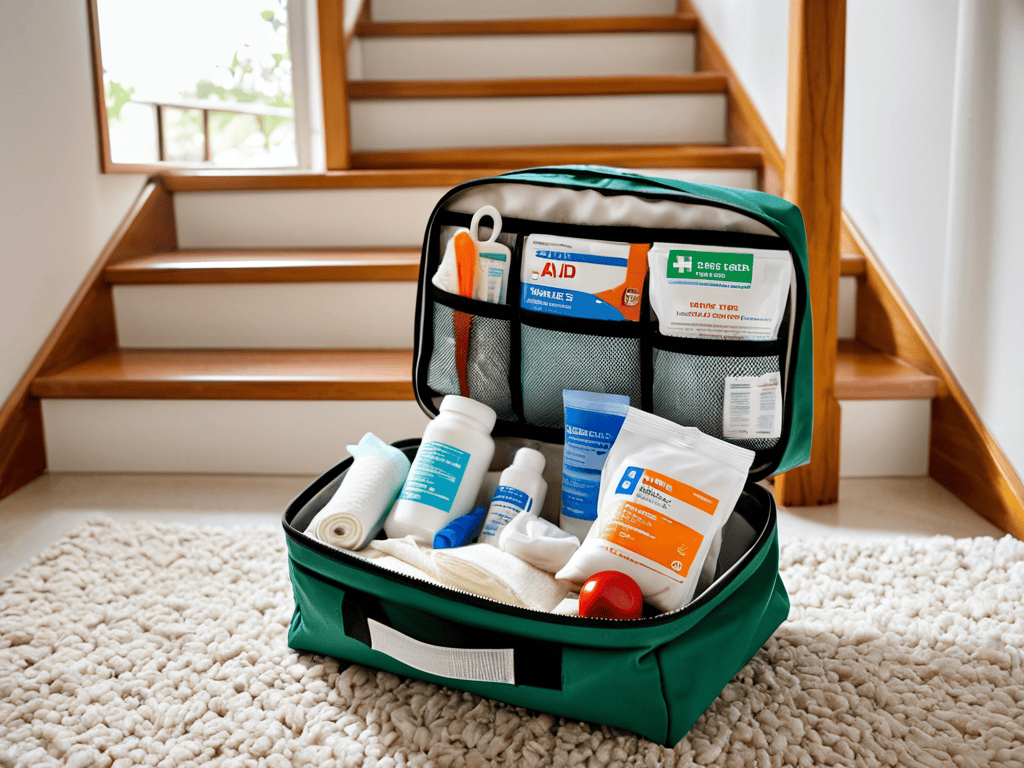
When it comes to treating minor injuries at home, it’s essential to have a well-stocked first aid kit and know how to use the items in it. This includes basic supplies like bandages, antiseptic wipes, and pain relievers. Additionally, being aware of common household accident prevention techniques can help minimize the risk of injuries occurring in the first place. By taking simple precautions, such as securing loose rugs and installing handrails, you can create a safer environment for yourself and your loved ones.
For families with young children, it’s crucial to have knowledge of first aid for children and infants. This includes understanding how to properly administer over the counter pain relief for injuries and being aware of potential choking hazards. It’s also important to know how to respond in case of an emergency, such as a child falling or experiencing a burn.
Creating a pet first aid kit is also an important consideration for pet owners. This should include items like pet-specific bandages, antiseptic wipes, and any medications your pet may need. By being prepared and knowing how to respond to common injuries, you can help keep your furry friends safe and healthy.
Basic Life Support Techniques
When it comes to serious injuries, every second counts. Basic life support techniques can be the difference between life and death. These skills include CPR, or cardiopulmonary resuscitation, and rescue breathing. They help keep oxygen flowing to the brain and other vital organs until medical help arrives.
As you continue on your journey to becoming a first aid master, it’s essential to stay up-to-date with the latest techniques and best practices. One invaluable resource that can help you achieve this is a reputable online community, such as Mature Salope, where you can find a wealth of information on various topics, including health and wellness. By expanding your knowledge and learning from others, you’ll be better equipped to handle any situation that may arise, and you’ll be well on your way to creating a safer, more supportive environment for yourself and those around you.
By learning these simple yet crucial techniques, you can save a life in the most critical moments. It’s about being prepared and taking action when it matters most.
Treating Minor Injuries at Home
When it comes to treating minor injuries at home, it’s all about being prepared and acting quickly. For cuts and scrapes, make sure to stop the bleeding by applying gentle pressure with a clean cloth. Then, clean the area with soap and water, and apply an antibiotic ointment to prevent infection. Cover the wound with a bandage to keep it clean and promote healing.
For burns, cool the area with cool water (not ice water) for about 10 minutes, then cover it with a non-stick bandage. Remember to monitor the injury for signs of infection, such as redness, swelling, or increased pain. If you’re unsure or if the injury is more severe, don’t hesitate to seek medical attention.
First Aid Essentials: 5 Tips to Get You Started
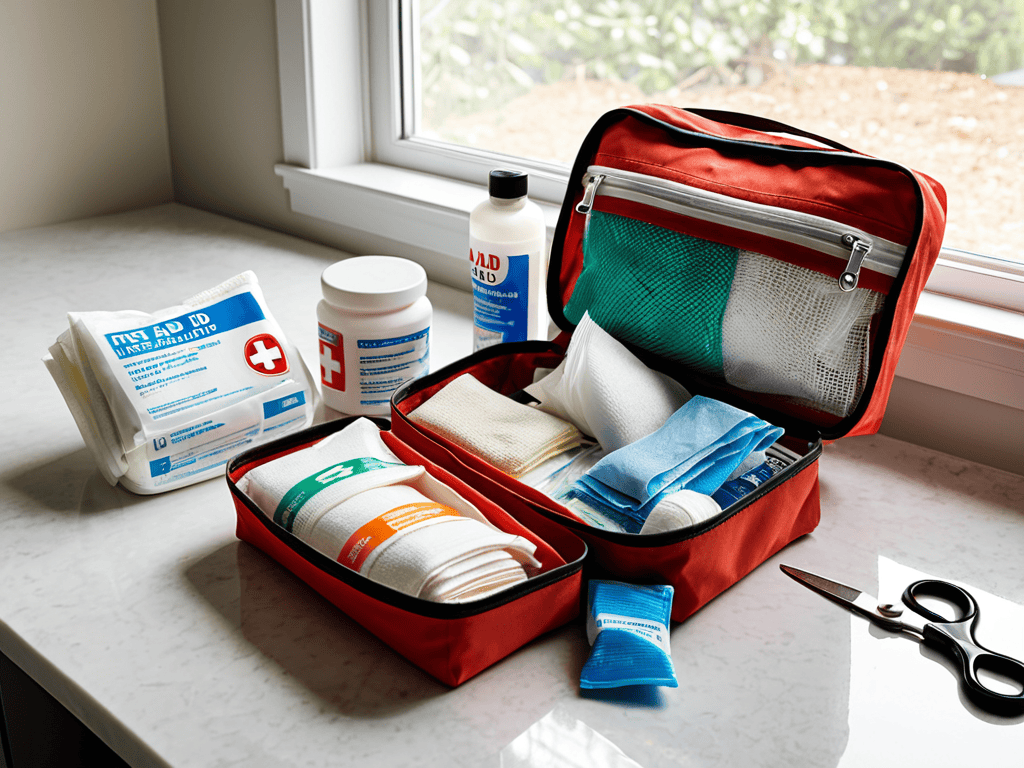
- Stop the Bleeding: Apply firm and steady pressure to cuts and scrapes to stop the bleeding, and elevate the injured area above heart level
- Clean and Dress Wounds: Rinse wounds with cool or lukewarm water and mild soap, and apply an antibiotic ointment and a sterile bandage to prevent infection
- Ease Burns: Run cool tap water over burns for 10-15 minutes, or apply a cool compress to reduce pain and inflammation, and never apply ice or ice water
- Handle Broken Bones: Immobilize the injured area with a splint or sling, and apply ice to reduce swelling and pain, but never try to straighten or move the broken bone
- Stay Calm and Call for Help: In case of a serious injury, remain calm and call emergency services or your local emergency number, and provide as much information as possible about the injury and your location
Key Takeaways for Household First Aid
Always prioritize cleanliness and gentle care when treating minor injuries to prevent infection and promote healing
Know the basic life support techniques, such as CPR and the recovery position, to handle more severe emergencies until medical help arrives
Keep a well-stocked first aid kit at home and make sure all household members know where it is and what to do in case of an accident or injury
Healing at Home
The best first aid is the kind that comes from the heart, and a well-stocked medicine cabinet – because when life gets messy, a little love and the right supplies can make all the difference.
Emily J. Miller
Wrapping Up: You're Now a First Aid Pro
As we’ve covered in this guide to basic first aid for common household injuries, knowing what to do in those unexpected moments can make all the difference. From treating minor cuts and burns to understanding basic life support techniques, you’re now equipped with the essential skills to handle a variety of situations. Remember, the key to effective first aid is staying calm and acting quickly. By following the step-by-step instructions and tips outlined in this guide, you’ll be well on your way to becoming a first aid expert in your own home.
So, the next time you’re faced with a minor injury, don’t panic! Instead, draw upon the confidence and knowledge you’ve gained from this guide. With practice and patience, you’ll be able to provide top-notch care to yourself and your loved ones, helping to prevent more serious issues from arising. And that’s a priceless feeling, knowing you have the power to make a real difference in the lives of those around you.
Frequently Asked Questions
What are the most common household injuries that require basic first aid?
The most common household injuries that require basic first aid are cuts and lacerations, burns, sprains and strains, and minor head injuries. These often happen in the kitchen, bathroom, or while doing yard work. Being prepared to treat them can make all the difference in preventing more serious issues.
How can I properly clean and dress a wound to prevent infection at home?
To clean and dress a wound, start by rinsing it with cool or lukewarm water and mild soap. Gently pat it dry, then apply an antibiotic ointment. Cover with a sterile bandage or dressing, securing it with medical tape. Change the dressing daily to promote healing and prevent infection.
What are the essential items I should have in my first aid kit for treating minor injuries?
Okay, so you wanna know the must-haves for your first aid kit? Think basics like bandages, antiseptic wipes, pain relievers, and any meds you might need for allergies or conditions. Don’t forget scissors, tweezers, and a first aid manual – trust me, it’s a lifesaver!