
Human Rights: The Universal Attend for Dignity

Did you know that the Universal Declaration of Human Rights is the most translated document worldwide? It’s available in over 360 languages. This shows its worldwide significance and the universal rights it defends.
The Declaration became a symbol of hope after World War II on December 10, 1948. The United Nations General Assembly announced it. It marked a global vow to stop horrors and protect human worth. Thanks to it, many have gained freedom from torture, unfair jail time, bias, and now have access to education and health services.
At its core, the UDHR offers economic, social, political, cultural, and civic rights to everyone. It doesn’t matter what your background, belief, or identity is. It champions human rights protection through laws. It also urges communities to value these rights by educating and taking forward-looking actions.
Indeed, universal human rights form the base of modern values. They seek to secure freedoms and safety for everyone around the globe. This document has inspired many human rights treaties. It has shaped laws and norms for protecting human rights and helps educate people on the importance of human rights awareness.600p>
The Origins and Importance of the Universal Declaration of Human Rights
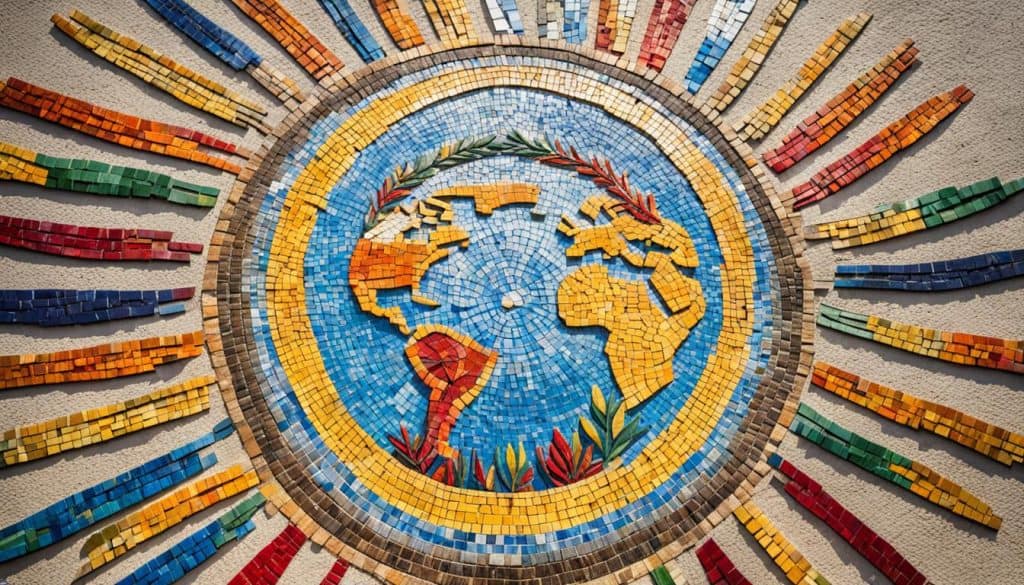
The Universal Declaration of Human Rights (UDHR) was adopted on December 10, 1948, by the United Nations. It was a response to the tragedies of World War II. This event was crucial in creating global human rights standards to prevent such horrors from happening again.
The Historical Context: Post-World War II
World War II’s end showed the need for strong rules to keep human dignity safe. The war had many “barbarous acts” that shocked people everywhere. This made it clear how important an international post-WWII human rights agreement was.
Drafting the Declaration: A Global Collaboration
Writing the UDHR took a lot of teamwork from people all over the world. Important contributors came from countries like the USA, Lebanon, China, and others. They started reviewing the Declaration on Fundamental Human Rights and Freedoms in 1946. By September 1948, over 50 Member States helped finish the document.
This teamwork made sure the final document reflected many different human experiences. It reached a truly global understanding.
Key Articles: Ensuring Basic Freedoms and Rights
The UDHR lists 30 key rights and freedoms. These cover many areas like civil, political, and social rights. They aim to make the world fair for everyone. Highlights include:
- The right to life, liberty, and safety
- Freedom from slavery and torture
- Equality before the law
- Rights to nationality, property, and to gather peacefully
- The right to work, social security, and education
These rights are linked and cannot be separated. They show how all humans are connected in dignity. The declaration is a guide, showing that everyone is born free and equal in rights and dignity.
The UDHR’s ideals are still shaping over seventy human rights treaties today. They motivate groups like Amnesty International to fight for human rights around the globe.
The Pillars of Human Rights: Freedom, Justice, and Equality
The roots of human rights lie in freedom, justice, and equality. These are the key ideas of the Universal Declaration of Human Rights (UDHR). They make sure every person can live with dignity and respect. This is essential for a strong society.
Freedom of Speech and Belief
Being able to speak your mind and believe what you want is important. It helps people share their ideas without fear. The UDHR says, “All human beings are born free and equal in dignity and rights.” This means everyone has the right to their own thoughts and beliefs.
Right to Life, Liberty, and Security
Every person should feel safe and free. The UDHR protects life and freedom. It stands against slavery, torture, and being held without reason.
No one should be unfairly arrested or forced to leave their home. The right to look for safety from harm in other countries is vital. These rights highlight how all human rights are connected.
Equality Before the Law
The UDHR promises equal treatment under the law. Article 6 states everyone should be recognized as a person by the law. This means the law should protect everyone equally.
No one should face discrimination. This is true regardless of race, gender, language, or religion. Legal equality helps other rights to be fully realized.
The pillars of freedom, justice, and equality build a world where rights are protected. The UDHR has 30 articles that list these important rights. They are for everyone, everywhere. This means countries must protect these rights for all people. It’s how we create a fair society where everyone is free to live with respect and dignity.
Human Rights
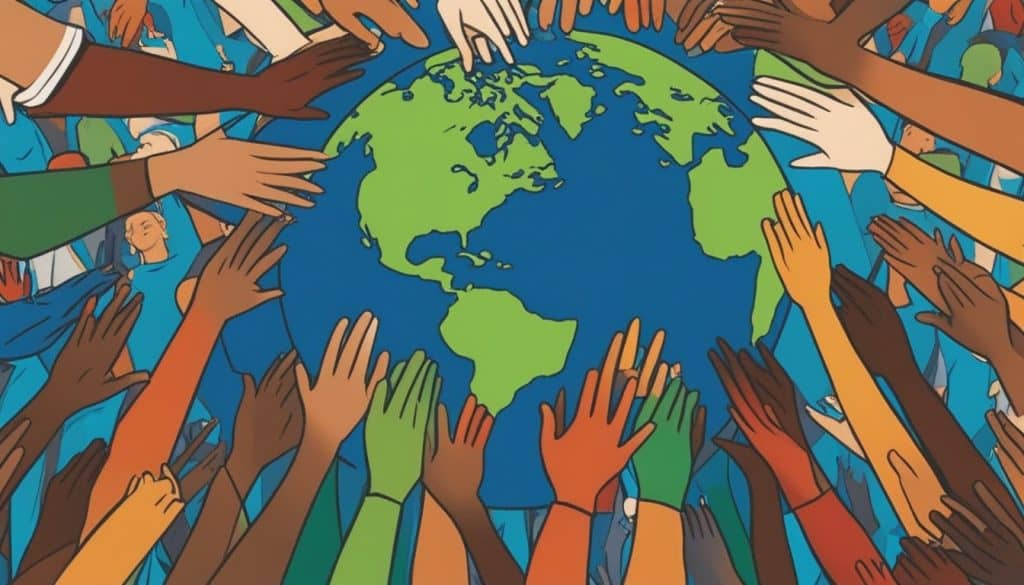
Human rights are key principles that guide how we interact with each other worldwide. They are protected by different rules. These are led by groups like the United Nations. The UN is very important in guarding these basic rights for everyone.
The Role of the United Nations
The United Nations aims to bring peace, safety, and teamwork among nations. It is committed to defending universal human rights. The UN has special groups, like the Human Rights Council. They check on and fix human rights problems. This is key for pushing changes.
For example, the UN looked at issues in the Middle East recently. They focused on problems with help for Sinjaris up to July 16, 2024. This shows the UN’s ongoing work to support human rights worldwide.
Universal Application: Rights for All People
The main goal of the United Nations is to make sure everyone gets the same protection and rights. Look at Lithuania’s action on July 8, 2024. They asked to keep a worldwide ban on cluster bombs. This shows they care about saving lives and keeping dignity.
The Brazilian cattle industry was also under review on July 2, 2024. They were asked to follow local human rights laws. This show how human rights are important in all areas like farming and tech.
The Impact on International Human Rights Law
The Universal Declaration of Human Rights (UDHR) has greatly impacted international human rights law. This important document is a guide for many international laws and policies. It helps improve human rights protection all over the world. The Declaration also helps in responding to rights violations.
For instance, the US Supreme Court made a decision on July 15, 2024, about housing rights. This has started talks about human rights in the US legal system. It shows how international law can influence local policies.
The Universal Declaration of Human Rights sets a worldwide standard for judging how countries behave. It encourages joining forces to respect human freedom and worth across countries. This proves how vital these rights are for global peace and progress.
Challenges in the Lack of Human Rights
The fight for human rights is filled with challenges. Around the world, people’s freedoms and safety are at risk. Despite progress, Freedom House reports only a slight increase in “free” countries from 85 in 2002 to 87 in 2011. This shows how slowly human rights are advancing globally.
Problems like bias in the Human Rights Council and violence against minority groups make it harder. We must keep pushing for justice in this complex situation.
Globalized Attacks on Human Rights
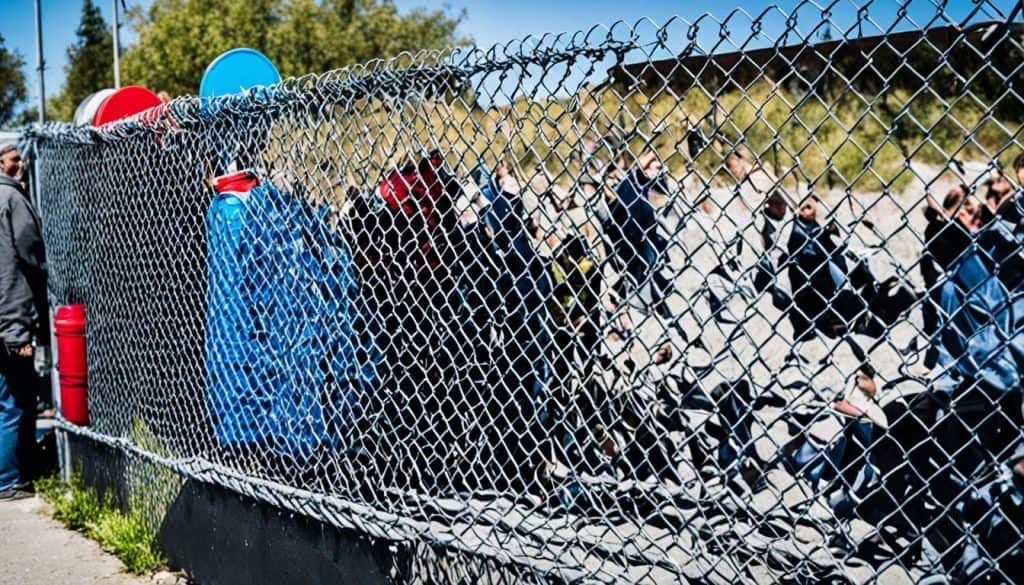
Over the last ten years, attacks on human rights have grown. Groups like women, LGBTQ+ individuals, and migrants have faced severe rights violations. These abuses create areas where human rights don’t seem to exist.
In 2022, a rise in the US poverty rate to 12.4% showed the struggle for human dignity. Laws that restrict healthcare and LGBT rights add to the problem, highlighting the need for strong advocacy.
Resistance and Advocacy
Resistance to human rights abuses is strong, thanks to individuals and groups. They’re driven by the Universal Declaration of Human Rights (UDHR). Their work fights oppression and spreads awareness for change.
UN Women, created in 2010, shows how effective advocacy can be in making a difference. Still, we must keep pressure on those in power, as commitment levels vary within the Human Rights Council.
The Role of Civil Society
Civil society is key in fighting human rights violations. Since 2006, the Human Rights Council has set up missions to uncover the truth, thanks to civil society’s push. Their advocacy and educational work are vital for accountability and encouraging everyone to act.
These efforts by civil society show how human rights are all connected. Their ongoing work is essential for defending human rights globally.
The Role of Education in Promoting Human Rights
Education is key in helping people understand and respect human rights. It teaches everyone to know their rights and the importance of respecting others’. UNESCO states that only 34% of countries include human rights education in their schools. This shows many nations still need to add human rights education into their curriculums.
Importance of Awareness and Understanding
The Universal Declaration of Human Rights shows education’s role in teaching respect for rights. It shows how learning can change societies and cultures for the better. But, UNICEF found children in war zones are much less likely to go to school than those in peaceful areas. This points out the difficulty of giving human rights education to kids in crisis.
A study in the International Journal of Educational Development found a major issue: only 10% of teachers in certain countries were trained in human rights education. This fact stresses the need for better training for teachers in this essential area.
Educational Initiatives by the UN
The UN uses educational projects to spread knowledge about human rights worldwide. It aims to empower people to stand up for their rights. There are various tools like online platforms, workshops, and adding human rights to school lessons.
Amnesty International’s research shows that European schools often teach human rights. But, schools in Asia and Africa might not cover them much. This shows not everyone has the same chance to learn about their rights.
The UN teaches that human rights are basic to all, not just a bonus. The Global Campaign for Education says there are 263 million youths not in school. This large number may miss out on learning their basic rights.
Advocacy and Justice: Realizing Human Rights
The journey to achieve human rights is full of challenges. Leaders must confront power structures that cause unfairness and inequity.
Building Bold Leadership
Human rights need bold leaders to inspire change and justice. Problems like systemic racism block access to healthcare and other basic rights. For example, minorities face higher risks of COVID-19 due to systemic barriers.
Leaders must fight for fairness and give a voice to the marginalized.
Transforming Global Governance
Changing global rules means fixing the systems that allow privilege and injustice. This involves creating institutions committed to everyone’s human rights and establishing strong justice mechanisms. Advocates have urged for policies that respect both health and rights.
Nationalist policies that lead to discrimination must end. We need governance that values inclusivity and fairness, moving us towards equality.
Protecting Future Generations
We must build systems to protect the planet and people’s rights. The Universal Declaration of Human Rights shows the power of consistent advocacy. Leaders today must place human value and justice first.
Advocates, stressed by the pandemic, show the strength to defend human rights for the future.
In summary, advocacy for human rights, better global rules, and strong defenses are key to justice. We should back leaders ready to make these ideals real for the future.
Equality and Justice in Modern Society
The push for equality and justice today connects with the Universal Declaration of Human Rights (UDHR). As society changes, we face new threats to human rights. We need to be alert and adapt to protect these rights in our ever-changing world. The fight for equality and social justice is rooted in the idea that human rights are key to a free and fair society.
In our world, achieving equality and respecting human rights demands recognizing that all rights are crucial and linked. The gender pay gap is a big issue, showing global gender equality is far off, possibly taking 135 years to achieve. LGBT rights face attacks, with nearly 240 anti-LGBTQ cases by March 2022 in the U.S. Plus, racial inequality affects jobs, healthcare, and education, adding to past injustices.
To champion social justice, everyone – governments, groups, and people – must protect every individual’s dignity and rights. Key groups like Race Forward and Equal Justice Initiative lead the fight for these goals. Addressing today’s problems requires education and activism to ensure everyone has access to basics like housing, food, healthcare, and schooling. By building a society that values equality, we keep the dream of justice and human rights alive.


