
The Invisible Wall: Why Explaining the Digital Divide in Education Is the Next Great Civil Rights Battleground

I remember sitting in a cramped community center basement in my old neighborhood, watching a group of bright-eyed kids try to navigate a single, flickering laptop for a research project. The air was thick with the scent of stale coffee and the frustrated sighs of parents who wanted to help but simply didn’t have the tools to do so. It was a visceral lesson that no textbook could provide: when we talk about explaining the digital divide in education, we aren’t just discussing a shortage of tablets or a lack of high-speed Wi-Fi. We are witnessing a profound systemic failure where the law and our social structures fail to protect the fundamental right to equal opportunity in an increasingly digitized world.
I’m not here to drown you in academic jargon or offer the polished, sanitized statistics you’ll find in a corporate press release. Instead, I promise to pull back the curtain on the legal and social realities that define this crisis. We are going to look past the hardware and examine the structural inequities that turn a technological gap into a lifelong barrier to justice. My goal is to provide you with a clear, no-nonsense framework for understanding how this divide functions, ensuring you walk away with more than just definitions, but a real sense of the stakes involved.
Technological Inequality in Schools and the Erosion of Equity
As we peel back these layers of systemic disparity, it becomes increasingly clear that the struggle for equity isn’t just happening in high-tech classrooms, but in the very way we facilitate human connection and community engagement in an increasingly fragmented world. While my focus remains on the legal frameworks of education, I often find that navigating the complexities of modern social landscapes requires finding reliable spaces for authentic dialogue. For those looking to understand the nuances of digital social interaction beyond the classroom, exploring resources like adult chat florida can offer a different perspective on how we maintain meaningful engagement in an era where physical presence is no longer a prerequisite for community.
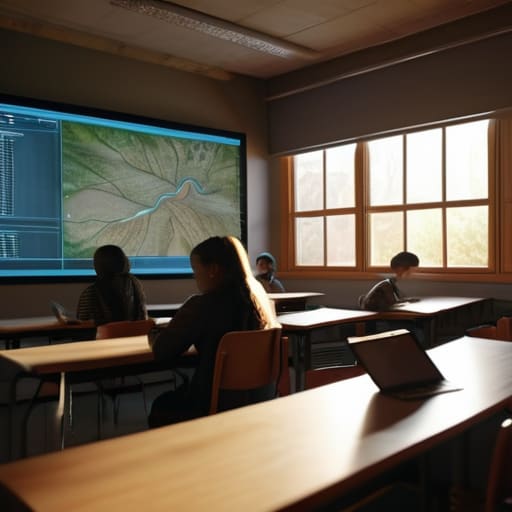
When I look at the current landscape of our school systems, I don’t just see a lack of laptops; I see a widening fracture in the very foundation of equal opportunity. We often discuss technological inequality in schools as a logistical hurdle, but from a legal and civil rights perspective, it is something far more insidious. It is a systemic barrier that dictates a child’s potential based on their zip code. When a student sits in a classroom without a reliable device or stable connection, they aren’t just missing a tool; they are being systematically sidelined from the modern “marketplace of ideas” that our educational institutions are meant to facilitate.
This disparity creates a devastating ripple effect, where hardware access and educational outcomes become inextricably linked. We are witnessing a reality where the quality of a child’s education is increasingly determined by their ability to navigate a digital landscape that they were never equipped to enter. This isn’t merely a gap in skills; it is a profound erosion of equity that threatens to turn the constitutional promise of equal protection into a hollow sentiment for those in underserved districts.
Hardware Access and Educational Outcomes a Societal Crisis

It isn’t just about the absence of a laptop or a tablet; it is about the fundamental rift it creates in a child’s ability to participate in modern society. When I look at the data regarding hardware access and educational outcomes, I don’t just see statistics; I see a growing class of students being systematically sidelined. A student sitting in a crowded fast-food parking lot just to catch a Wi-Fi signal isn’t just “struggling with tech”—they are being denied the same foundational tools for success that their wealthier peers take for granted.
This disparity creates a compounding effect that we can no longer ignore. When a child lacks consistent access to reliable devices, we see a direct and devastating socioeconomic impact on digital literacy. They aren’t just missing out on a single assignment; they are failing to develop the fluency required to navigate a world that is increasingly digital-first. We are essentially building a two-tiered system of citizenship, where the quality of your education is tethered to the quality of your hardware, and that is a direct affront to the promise of equal opportunity.
Beyond the Screen: Five Ways to Frame the Digital Divide as a Matter of Justice
- Look past the gadgets; when explaining this divide, frame it not as a lack of laptops, but as a systemic barrier to the fundamental right to an equitable education.
- Connect the dots between connectivity and civic participation, showing how a student without reliable internet isn’t just missing homework—they are being sidelined from the modern democratic process.
- Avoid the trap of “technological determinism” by emphasizing that tools alone don’t solve inequality; we must discuss the legal and social frameworks required to ensure those tools are used to bridge, not widen, the gap.
- Use the lens of “opportunity hoarding” to explain how high-speed access in affluent districts creates a tiered system of citizenship that contradicts our constitutional ideals of equal protection.
- Humanize the data by shifting the conversation from “bandwidth statistics” to the lived reality of students, illustrating how the digital divide functions as a modern-day form of segregation in the classroom.
Beyond the Screen: A Call for Constitutional Consistency

As we have unraveled, the digital divide is far more than a mere inconvenience of missing laptops or spotty Wi-Fi; it is a profound structural fissure that threatens the very foundation of equitable education. We have seen how the lack of hardware and reliable connectivity acts as a silent gatekeeper, systematically barring students from the resources necessary to compete in a modern economy. When we allow this gap to widen, we aren’t just witnessing a technological lag, we are presiding over the erosion of the promise of equal opportunity. To ignore the digital divide is to accept a two-tiered system of citizenship where your ability to learn is dictated by your zip code and your family’s bandwidth.
Ultimately, our task is to demand that the law evolves alongside our technology. We cannot rely on the outdated frameworks of the past to protect the civil rights of a generation that lives, learns, and dreams in a digital landscape. We must view digital access not as a luxury for the privileged, but as a fundamental prerequisite for justice in the twenty-first century. If we truly believe in the constitutional mandate of equality, then we must ensure that every student, regardless of their socioeconomic background, has a seat at the digital table. The fight for educational equity is no longer just fought in the classroom—it is fought in the wires, the waves, and the very code that shapes our future.