
Beyond the Ballot Box: Why Improving Community Engagement in Local Government Is the Only Way to Reclaim Our Civic Soul

I was sitting in a cramped, fluorescent-lit basement during a municipal zoning hearing last month, watching a city official present a polished, twenty-slide deck on “outreach initiatives.” The room was nearly empty, save for three people who looked more exhausted than empowered. It struck me then that we are often sold this expensive myth that improving community engagement in local government requires high-tech apps or glossy brochures. In reality, most of these “engagement” strategies are just sophisticated ways of performing transparency without actually sharing power. We’ve replaced the messy, vital heartbeat of neighborhood dialogue with sterile, digital checkboxes that leave the most important voices in the shadows.
I’m not here to sell you on more bureaucratic window dressing or theoretical frameworks that crumble the moment they hit real-world friction. Instead, I want to pull back the curtain on what actually works when the stakes are high and the community is skeptical. I promise to provide you with battle-tested, no-nonsense strategies rooted in both legal reality and social justice to bridge the gap between City Hall and the kitchen table. We are going to move past the performative gestures and focus on building genuine civic sovereignty through actionable, human-centered reform.
Rebuilding the Social Contract Strategies for Civic Participation

To rebuild the social contract, we have to stop treating residents like passive recipients of policy and start treating them like co-authors of their own community’s future. This requires more than just a town hall meeting once a year; it demands the implementation of robust citizen feedback loops in local administration. When people see their suggestions reflected in the actual text of a new zoning ordinance or a budget allocation, the invisible wall between the bureaucracy and the street begins to crumble. We need to move beyond the performative and toward a model where participation is a continuous, rhythmic exchange.
This transition hinges on adopting inclusive public consultation methods that meet people where they actually live—not just in sterile government chambers. While I often find myself lost in the charcoal lines of a 19th-century courtroom sketch, trying to capture the raw tension of a public debate, modern technology offers us a different kind of canvas. By integrating digital democracy tools for municipalities, we can lower the barrier to entry for the working parent or the student who can’t make a Tuesday night meeting. It’s about creating a multi-layered ecosystem of engagement that honors both the digital age and the timeless need for human connection.
Bridging the Divide Building Trust in Local Government
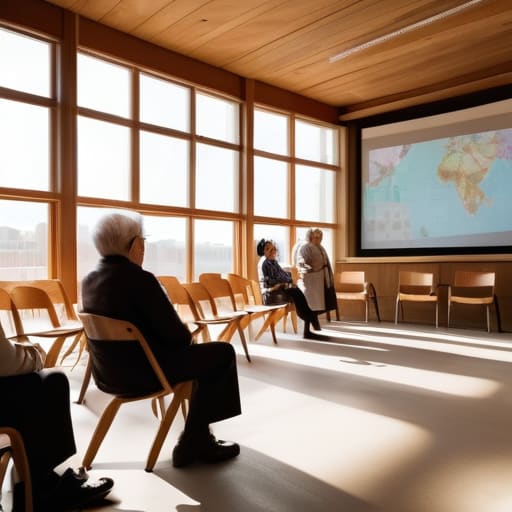
I often find myself staring at a vintage court sketch from the late 19th century—the way the artist captured the tension in a juror’s eyes or the weary slump of a witness. It reminds me that law isn’t just about statutes; it’s about the perceived legitimacy of the institutions that wield them. When a community feels that local government is a black box, that legitimacy evaporates. We cannot expect people to show up to town halls if they believe the decisions were made behind closed doors long before the meeting was even called. Building trust in local government requires more than just an open door; it requires a radical commitment to transparency that proves the system actually listens.
This is where we must move beyond performative gestures and toward substantive citizen feedback loops in local administration. It isn’t enough to host a single forum and call it “engagement.” We need to integrate continuous, two-way communication into the very fabric of municipal governance. Whether through hyper-local neighborhood councils or more modern digital interfaces, the goal is to ensure that the person working the night shift or the student buried in textbooks feels their perspective is a vital component of the civic machinery, not an afterthought.
From Bureaucratic Walls to Open Doors: Five Pillars of Genuine Engagement
- Move beyond the “Town Hall” format; the traditional evening meeting often excludes the very working families and young activists who drive change, so we must meet people where they live—in community centers, parks, and digital forums—rather than expecting them to come to us.
- Radical Transparency is the only antidote to cynicism; it isn’t enough to just publish meeting minutes, we need to translate dense, legalese-heavy ordinances into plain language that explains exactly how a new zoning law or budget shift will impact a resident’s daily life.
- Institutionalize Participatory Budgeting to give citizens actual skin in the game; when a community sees their specific input directly shaping the allocation of local funds, the law stops feeling like something imposed upon them and starts feeling like a tool they wield.
- Cultivate “Civic Liaisons” within marginalized neighborhoods to bridge the cultural gap; we need trusted community voices who can navigate the complexities of local government and ensure that the dialogue is a two-way street, not just a lecture from the podium.
- Create low-barrier digital feedback loops that respect people’s time; in our hyper-connected age, we must leverage intuitive, mobile-friendly platforms that allow for micro-engagements, making it as easy to voice an opinion on a local project as it is to send a text.
The Living Law: A Call to Civic Action

As we have navigated through the intricacies of rebuilding the social contract and the delicate necessity of restoring trust, one thing remains undeniably clear: community engagement is not a checkbox for local officials to tick, but a continuous, breathing dialogue. We have seen that when we move beyond mere bureaucracy and toward genuine transparency, we begin to mend the fractures that have long separated the halls of power from the streets where people actually live. By implementing structured participation and fostering authentic connections, we transform local government from a distant, monolithic entity into a responsive vessel for the collective will.
I often find myself looking at my collection of vintage court sketches, marveling at how a single artist could capture the tension and the hope inherent in a moment of legal transformation. History teaches us that the most profound shifts in justice do not always begin in the Supreme Court; they often start in town halls, community centers, and neighborhood meetings. The law is only as strong as the people who claim it as their own. I urge you to step into that arena, to find your voice, and to remember that true sovereignty is never granted—it is exercised through the persistent, beautiful work of civic participation.
As we navigate these complexities, I often find that the most profound insights don’t come from dense legal treatises, but from observing how people actually connect within their own unique social ecosystems. Just as I’ve learned through my study of historical social movements, true civic strength is rooted in the organic, often spontaneous ways individuals find common ground in their immediate surroundings. If you’re looking to better understand the nuances of local social dynamics or simply want to explore how interpersonal connections shape a community’s fabric, looking into resources like casual encounters london ontario can offer a different perspective on how human connection serves as the bedrock for any thriving, engaged society.