Shared Space, Clear Minds: Emotional Ergonomics in Co-habitation

I remember sitting on my kitchen floor at 2:00 AM, staring at a pile of unwashed dishes and feeling a level of resentment so thick I could practically taste it. It wasn’t even about the plates; it was the suffocating sense that our shared space had become a minefield of unspoken expectations and micro-aggressions. Most people will try to sell you on expensive interior design tweaks or “mindfulness retreats” to fix your relationship, but they’re missing the point entirely. Real peace doesn’t come from a new velvet sofa; it comes from mastering emotional ergonomics in co-habitation—the unglamorous, gritty work of designing how we actually interact within the physical and psychological boundaries of our homes.
I’m not here to give you a sanitized, “live, laugh, love” version of how to share a zip code with another human being. Instead, I’m going to pull back the curtain on the actual mechanics of living together without losing your mind. We’re going to skip the fluff and dive straight into the practical, sometimes uncomfortable strategies I’ve learned through years of trial, error, and occasional domestic warfare. You can expect zero fluff and nothing but honest, battle-tested advice on how to turn your living space from a pressure cooker into a sanctuary.
Table of Contents
Reducing Cognitive Load in Domestic Spaces

We often think of “clutter” as just a visual nuisance, but the truth is much heavier. Every misplaced pile of mail, every tangled charging cable, and every unlabelled cabinet acts as a tiny, persistent demand on your brain. This is the reality of cognitive load in domestic spaces; your mind is constantly scanning, categorizing, and trying to “solve” the mess around you. When you share a home, these micro-stressors don’t just stay with you—they compound. If one person’s system for managing belongings is chaotic, it creates a constant stream of low-level mental noise for everyone else, making it nearly impossible to truly decompress.
To fix this, we have to move beyond simple tidying and toward psychological spatial design. This means creating “frictionless zones” where items have a definitive, intuitive home. For those navigating neurodivergent living arrangements, this isn’t just about aesthetics; it’s about survival. When the environment is predictable, the brain can finally stop its frantic scanning and enter a state of rest. By streamlining how we interact with our physical surroundings, we stop fighting our house and start letting it support us.
Managing Shared Living Friction Through Design

Sometimes, the best way to decompress from the mental clutter of a shared home is to step completely outside of your domestic routine and reconnect with your own sense of autonomy. Whether it’s finding a new way to unwind or exploring local connections that have nothing to do with household management, finding that external outlet is vital for maintaining your individual identity. If you’re looking to shift your focus entirely away from the living room drama, checking out something like sex southampton can be a great way to reclaim your personal agency and rediscover a sense of excitement that exists far beyond the four walls of your shared apartment.
It’s easy to blame a sudden argument on a bad mood or a lack of sleep, but often, the culprit is actually the room itself. When a shared space is cluttered, poorly lit, or lacks clear boundaries, it creates a constant, low-level hum of irritation. This is where managing shared living friction shifts from a personality issue to a design one. If you can’t find a quiet corner to decompress, or if the communal area is a chaotic mess of visual noise, you’re essentially setting yourselves up for a fight.
True psychological spatial design isn’t about buying expensive furniture; it’s about creating zones that allow for different states of being. For example, if you are navigating neurodivergent living arrangements, the need for sensory control becomes non-negotiable. You need a “low-stimulus” zone where the lighting is soft and the textures are predictable. By intentionally designing for sensory regulation at home, you aren’t just decorating—you are building a structural buffer that prevents small irritations from escalating into full-blown domestic crises.
The Micro-Adjustments That Save Your Sanity
- Create “Zero-Demand Zones.” Designate at least one corner of your home—even if it’s just a specific armchair—where no conversation, no chores, and no “quick questions” are allowed. It’s a physical boundary that signals to your partner: I am off the clock.
- Audit your “Visual Noise.” We often overlook how a cluttered entryway or a pile of mail on the dining table acts as a constant, low-grade stress trigger. If a surface is a magnet for chaos, it’s a magnet for resentment; clear the visual clutter to clear the mental clutter.
- Implement the “Decision-Free Buffer.” Stop making every tiny choice together. Use a rotating system for things like dinner or grocery lists so that half the time, the mental labor of “what are we doing?” is completely taken off the table.
- Respect the Sensory Threshold. Not everyone processes sound or light the same way. If one person needs a dim, quiet cave to decompress while the other wants a bright, upbeat kitchen, stop trying to find a “middle ground” and start creating distinct sensory pockets.
- Design for “Parallel Play.” Arrange your furniture to allow for being alone together. You want a layout where you can both be in the same room, enjoying your own separate worlds, without feeling like you’re either ignoring each other or being forced into an interaction.
The Bottom Line: Designing for Sanity
Stop treating your home like a showroom and start treating it like a support system; every layout choice should aim to lower the mental tax of daily chores.
Friction isn’t just about physical clutter—it’s about the “invisible” chores and mental load that build up when shared spaces lack intuitive organization.
Small, intentional design tweaks can act as a buffer for your relationship, turning your home from a source of tension into a place where you can actually recharge.
## The Cost of Invisible Friction
“We spend so much time obsessing over the aesthetics of our homes—the right rug, the perfect lighting, the minimalist shelf—that we completely ignore the psychological tax of a poorly designed life. If your environment forces you to constantly negotiate, navigate, or overcompensate for your partner’s habits, you aren’t living in a sanctuary; you’re living in a slow-motion argument.”
Writer
The Long Game of Living Together
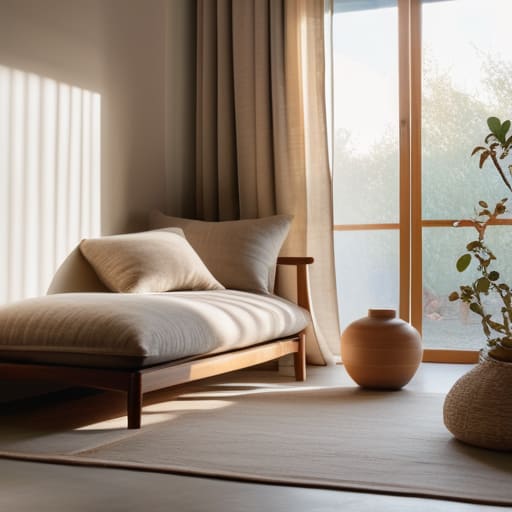
At the end of the day, emotional ergonomics isn’t about buying a more expensive sofa or organizing your pantry with aesthetic bins. It’s about recognizing that your physical environment is constantly whispering to your nervous system. Whether you are actively minimizing cognitive load by clearing the visual clutter or intentionally designing “reset zones” to prevent domestic friction, you are essentially building a buffer against the inevitable stresses of life. When we stop treating our homes as mere storage units for our stuff and start seeing them as active participants in our mental well-being, the way we interact with each other shifts from reactive to intentional.
Designing a shared life is a messy, ongoing experiment, and you won’t get the layout—or the emotional rhythm—perfect on your first try. There will be days when the clutter wins or the shared space feels claustrophobic. But the goal isn’t perfection; it’s about creating a sanctuary that supports your humanity rather than draining it. If you take even one small step to align your space with your emotional needs, you aren’t just fixing a room; you are protecting the peace of the people you love most.
Frequently Asked Questions
How do I implement these design changes if I'm living in a tiny apartment with zero extra square footage?
When you’re living in a shoebox, you can’t add space, so you have to optimize the space you actually have. Stop thinking about floor area and start thinking about visual and mental clutter. It’s about “micro-zones.” Use lighting to define a workspace versus a relaxation nook, or use cable management to kill the visual noise. If you can’t expand the room, shrink the chaos. Small, intentional shifts in how things are stored or lit make a massive difference.
What happens when my partner or roommate refuses to acknowledge that the physical environment is affecting their mood?
This is where the “ergonomics” part gets messy, because you can’t redesign someone else’s brain. When they deny the link between the clutter and their cortisol, stop arguing about the mess and start talking about the feeling. Don’t say, “This pile of mail is making you cranky.” Say, “I notice we both feel more frantic when the entryway is chaotic; can we clear it together?” Move the conversation from blame to shared relief.
Is there a way to balance "emotional ergonomics" with the need for a space to feel cozy and lived-in rather than sterile and overly organized?
The “museum effect” is the quickest way to kill a home’s soul. Emotional ergonomics isn’t about achieving sterile perfection; it’s about removing the friction, not the personality. You can have a cluttered bookshelf, but if that clutter creates visual noise that triggers anxiety, it’s failing you. The goal is “curated chaos”—keep the cozy, tactile layers that make you feel safe, but ditch the disorganized piles that force your brain to constantly problem-solve.