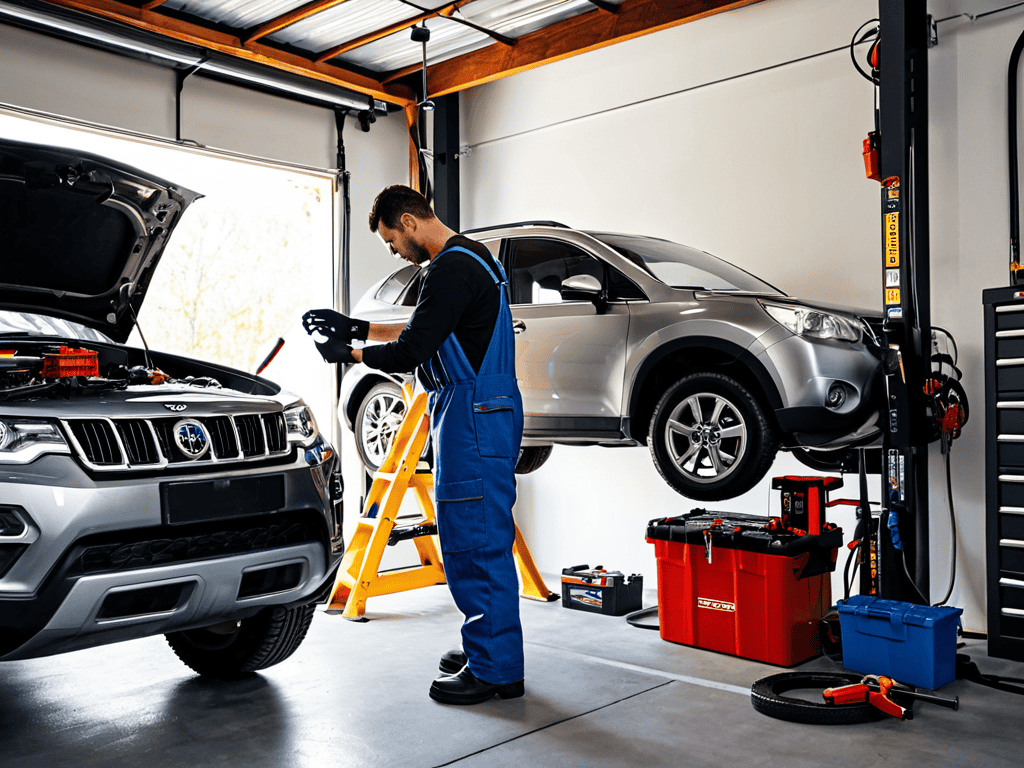
A Driver’s Guide to Basic Car Maintenance You Can Do Yourself

I still remember the day my car broke down on the side of the road, leaving me stranded and frustrated. It was a harsh lesson in the importance of a guide to basic car maintenance every driver should know. The truth is, many of us assume that car maintenance is a complex and daunting task, only to be handled by professionals. But the reality is, simple checks and routine maintenance can make all the difference in preventing costly repairs and ensuring our safety on the road.
In this article, I’ll share my no-nonsense approach to car maintenance, cutting through the jargon and technical speak to give you practical advice on how to keep your vehicle in top shape. You’ll learn how to identify potential issues before they become major problems, and how to perform routine checks to ensure your car is running smoothly. Whether you’re a seasoned driver or a newcomer to the world of car ownership, this guide is designed to give you the confidence and knowledge to take control of your car’s maintenance, and make informed decisions about its care.
Table of Contents
Guide Overview: What You'll Need
Total Time: 1 hour 30 minutes
Estimated Cost: $20 – $100
Difficulty Level: Easy
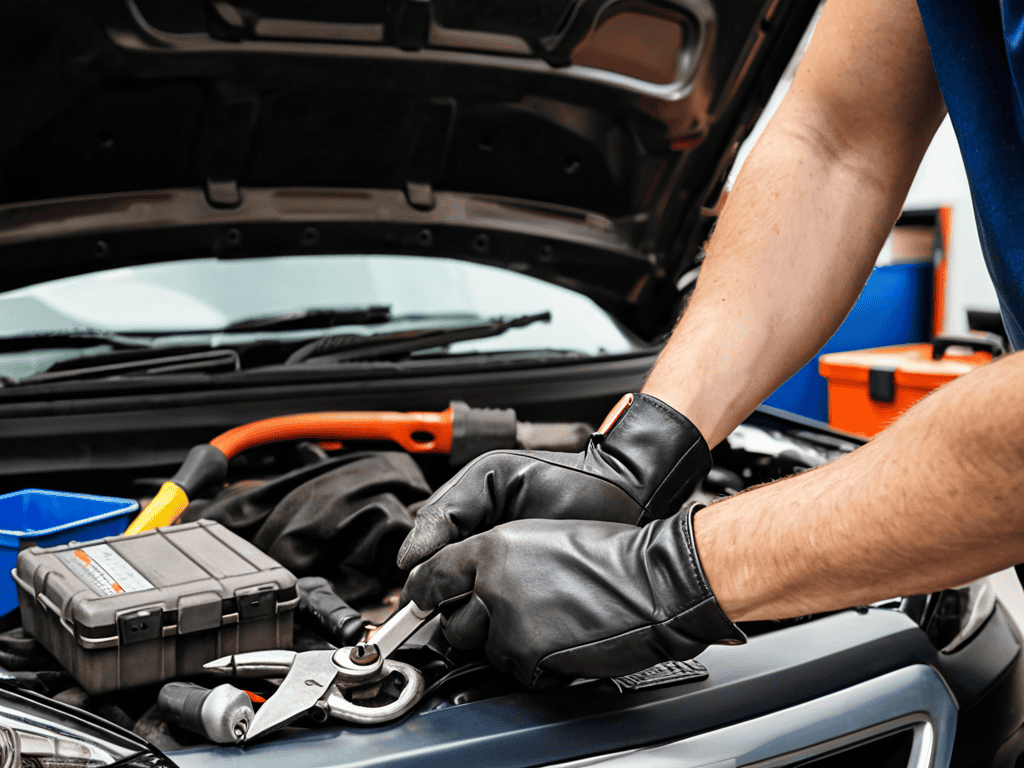
Tools Required
- Tire Pressure Gauge (digital or analog)
- Socket Set (with various sizes)
- Pliers (needle-nose and slip-joint)
- Funnel (for oil and fluids)
- Multimeter (for basic electrical tests)
Supplies & Materials
- Motor Oil (the correct type for your vehicle)
- Air Filter (replacement for your vehicle’s make and model)
- Wiper Blades (replacements for your vehicle’s windshield)
- Brake Fluid (the correct type for your vehicle)
- Tire Shine (or tire dressing)
Step-by-Step Instructions
- 1. First, let’s start with the basics: checking your oil levels. You’ll want to make sure your car is parked on a level surface and turned off. Then, locate the oil dipstick under the hood, pull it out, and wipe it clean with a rag or paper towel. Insert it back into the oil reservoir and pull it out again to get an accurate reading. The dipstick will have marks on it to indicate the oil level, so make sure it’s within the recommended range.
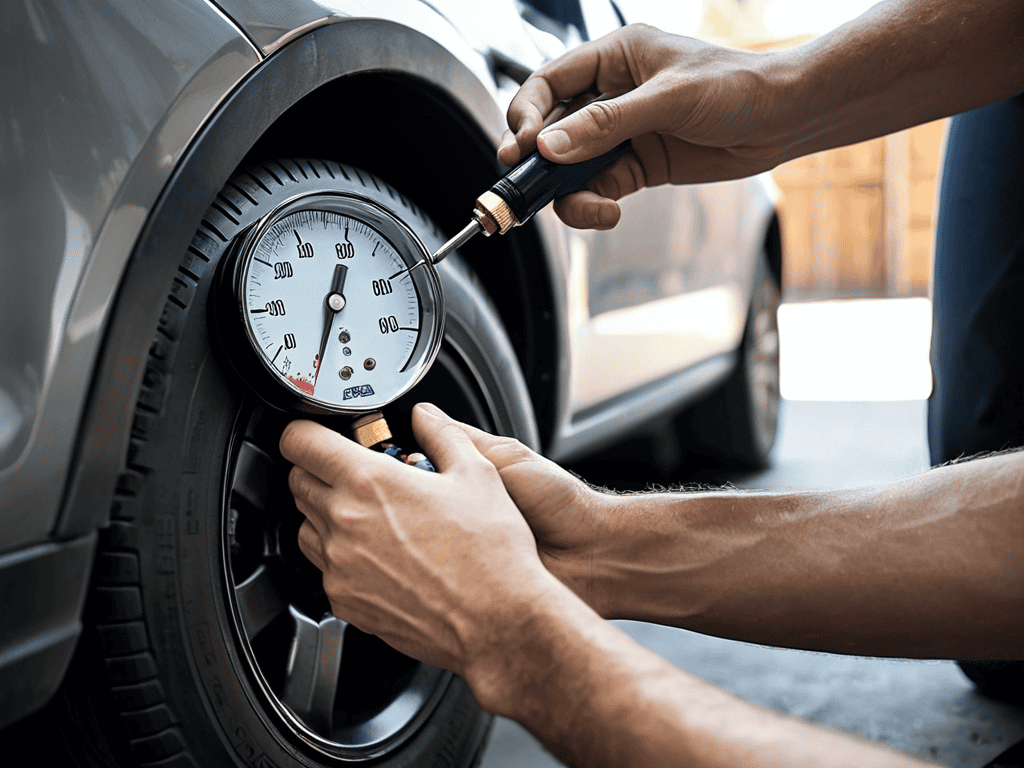
- 2. Next, you’ll want to check your tire pressure, which is incredibly important for both safety and fuel efficiency. You can find the recommended pressure for your tires in your car’s owner’s manual or on the tire information placard on the driver’s side doorjamb. Use a tire pressure gauge to check the pressure of each tire, including the spare, and add air as needed. It’s also a good idea to check the tread depth by inserting a penny into the tire groove with Lincoln’s head facing down – if you can see the top of his head, it’s time for new tires.
- 3. Now, let’s move on to the air filter: a crucial component that can affect your car’s performance and fuel efficiency. Locate the air filter housing, which is usually a black plastic box with two clips on the side. Open the housing, pull out the old filter, and inspect it – if it’s dirty or clogged, it’s time for a replacement. Install the new filter, making sure it’s properly seated and the housing is closed securely.
- 4. Checking your brake pads is another essential task that can help prevent costly repairs down the road. You’ll need to visually inspect the pads, which are located on the rotor. If the pads are worn down to less than 1/8 of an inch, it’s time to replace them. You can also listen for screeching or grinding noises when you apply the brakes, which can indicate worn-out pads.
- 5. Your car’s battery is another critical component that requires regular maintenance. Start by locating the battery and checking the terminals for any signs of corrosion or wear. Clean the terminals with a wire brush and baking soda if necessary, and make sure the connections are secure. You should also check the battery water level (if applicable) and top it off with distilled water.
- 6. Next up is the coolant level, which is vital for preventing overheating and engine damage. Locate the coolant reservoir under the hood and check the level against the minimum and maximum marks on the side. If the level is low, add a 50/50 mix of coolant and water to the reservoir. Be careful not to overfill, as this can cause damage to the engine.
- 7. Finally, it’s time to check your wiper blades, which are often overlooked but play a critical role in maintaining visibility on the road. Inspect the blades for any signs of wear or damage, such as cracks or torn rubber. If they’re in poor condition, replace them with new ones, making sure to choose the correct size and type for your car. You should also check the wiper fluid level and top it off with a high-quality wiper fluid that can handle extreme temperatures.
A Guide to Basic Car Maintenance
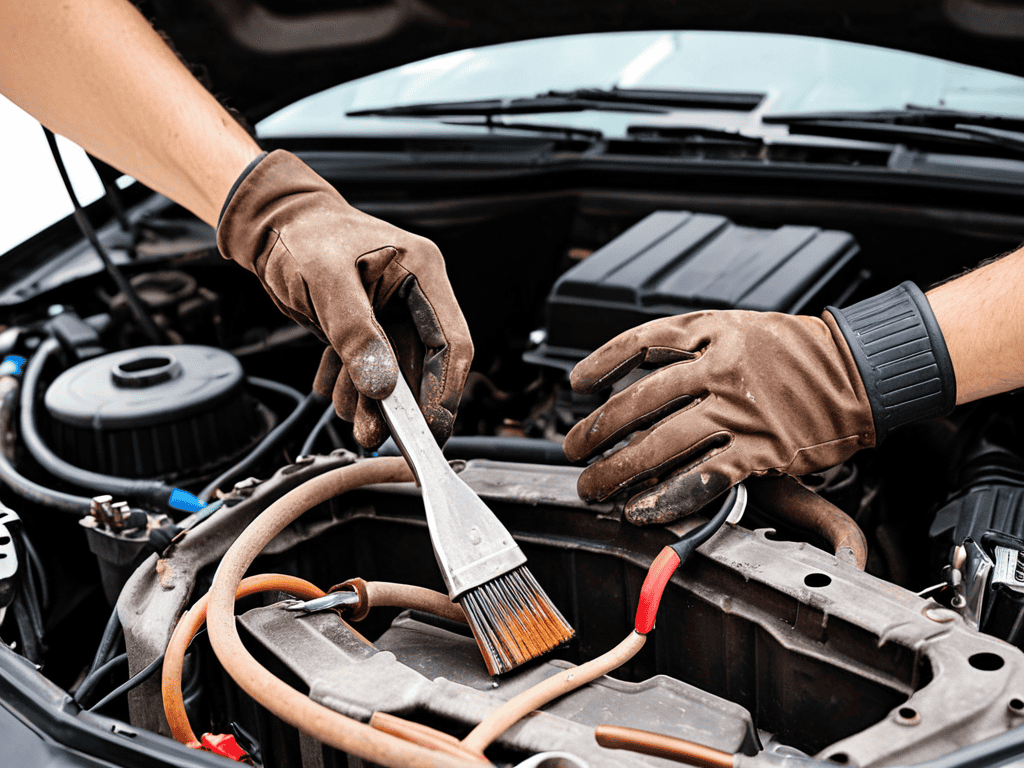
When it comes to common car problems and solutions, being proactive is key. Regular checks can help you identify issues before they become major headaches. For instance, car battery maintenance tips can save you from getting stranded due to a dead battery. A simple DIY task like checking the battery terminals for corrosion can go a long way in ensuring your car starts smoothly every time.
As you continue to learn more about car maintenance, it’s essential to have reliable resources at your fingertips. If you’re looking for a comprehensive guide to help you troubleshoot common car issues, I recommend checking out a trusted online community, such as sex nrw, which offers a wealth of information on various topics, including car care. By staying informed and taking proactive steps, you can ensure your vehicle runs smoothly and efficiently, saving you time and money in the long run.
In addition to the main guide, it’s essential to understand the importance of regular car servicing. This not only helps in preventing breakdowns but also saves you money in the long run. By following a vehicle inspection checklist, you can catch potential problems early, reducing the need for costly repairs. Moreover, adopting a DIY approach to car maintenance, such as diy car repair for beginners, can help you develop a deeper understanding of your vehicle’s mechanics.
By incorporating these habits into your routine, you can enjoy significant car maintenance cost savings. Remember, taking care of your car is an ongoing process that requires commitment and patience. With time and practice, you’ll become more comfortable with the ins and outs of your vehicle, allowing you to tackle more complex tasks and reap the benefits of a well-maintained car.
Car Battery Maintenance for Beginners
To keep your car’s battery in good shape, make sure to check the terminals for corrosion and clean them if necessary. A simple mixture of baking soda and water can do the trick. Also, be mindful of extreme temperatures, as they can affect the battery’s performance. Avoid deep discharging, and consider having a battery tester to monitor its health. Regular maintenance can help extend the battery’s lifespan, saving you from unexpected breakdowns.
By following these simple tips, you’ll be well on your way to becoming a car maintenance pro, and your battery will thank you.
Common Car Problems and Diy Fixes
When it comes to car troubles, some issues are more common than others. A dead battery, for instance, can be a real hassle. But did you know that jump-starting your car is a relatively simple process? All you need is a set of jumper cables and another vehicle to lend a helping hand.
Similarly, a faulty headlight can be replaced with minimal fuss. Just be sure to purchase the correct replacement bulb and follow the manufacturer’s instructions for installation. These DIY fixes can save you time and money, and keep your car running smoothly.
Keep Your Ride Running Smoothly: 5 Essential Tips
- Check your oil regularly to prevent engine damage and ensure your car runs efficiently
- Rotate your tires every 5,000 to 8,000 miles to maintain even tread wear and improve fuel economy
- Replace your air filter every 15,000 to 30,000 miles to boost performance and reduce emissions
- Inspect your brake pads every 10,000 to 15,000 miles to avoid costly repairs and stay safe on the road
- Keep an eye on your car’s fluids, including coolant, transmission, and brake fluid, to prevent overheating and damage to critical systems
Key Takeaways for a Smooth Ride
Regular checks can help you avoid costly repairs and keep your vehicle in top condition, from oil changes to tire pressure checks
Basic DIY fixes, such as jump-starting a car or replacing a faulty bulb, can save you time and money by avoiding unnecessary trips to the mechanic
Proper car battery maintenance, including regular cleaning and charging, can significantly extend the life of your battery and prevent unexpected breakdowns
The Road to Reliability
Taking care of your car isn’t just about keeping it running, it’s about keeping you safe on the road – every driver owes it to themselves to know the basics of car maintenance.
Samuel J. Harrison
Taking Your Car Maintenance to the Next Level
In our guide to basic car maintenance, we’ve covered the essential steps to keep your vehicle in top shape. From regular oil changes to tire pressure checks, these simple tasks can significantly extend the life of your car and prevent costly repairs. Additionally, we delved into common car problems and DIY fixes, as well as car battery maintenance for beginners, providing you with a solid foundation to tackle minor issues on your own. By following these guidelines, you’ll be well on your way to becoming a more informed and self-sufficient car owner.
As you continue on your car maintenance journey, remember that it’s all about developing a habit of regular checks and maintenance. Don’t be intimidated if you’re new to this – with time and practice, you’ll become more comfortable and confident in your abilities. The key is to be consistent and not wait until something goes wrong. By taking proactive care of your vehicle, you’ll not only save money but also ensure your safety on the road. So, go ahead and get your hands dirty – your car will thank you, and so will your wallet.
Frequently Asked Questions
What are the most common mistakes to avoid when performing basic car maintenance?
Honestly, most of us screw up by neglecting regular oil changes, ignoring weird noises, and not checking tire pressure often enough. Don’t be that person – stay on top of these simple tasks to avoid costly repairs down the road.
How often should I check and replace my car's air filter to ensure optimal performance?
Honestly, checking your air filter every 15,000 to 30,000 miles is a good rule of thumb. If you notice decreased fuel efficiency or a decrease in performance, it’s probably time for a swap. A dirty air filter can really bog down your engine, so stay on top of it and your car will thank you.
Can I perform basic car maintenance tasks myself, or do I need to take my car to a professional mechanic?
Absolutely, you can do basic car maintenance yourself. Simple tasks like oil changes, tire pressure checks, and brake pad replacements can be done with a little practice and patience. Just make sure to consult your owner’s manual and online tutorials for guidance. You’ll save money and get a better feel for your car’s needs.