
Human Trafficking: Exposing the Hidden Atrocities

Did you know that millions are exploited year-round, both within and beyond borders? They are forced into various jobs, often without pay. Shockingly, the average age of these victims is just 14. Nearly 42% of the child victims are American.
Almost 90% of the identified cases are for sex trafficking. Victims are made to work in factories, farms, mines, and even homes. These horrors aren’t just happening far away; they’re also occurring right here in the U.S., in places as quiet as Iowa.
This shows the urgent need for awareness about human trafficking. It’s a form of modern-day slavery that affects thousands.
Those who control the victims use coercion, providing just enough to keep them trapped. Victims are found in restaurants, farms, hotels, and homes. Traffickers lure them in with the promise of a better life, only to exploit them mercilessly.
Victims might seem to lead “normal” lives to the outside world. Yet, they live in constant trauma and fear.
This fear keeps them from seeking help. By bringing these atrocities into the open, we start the fight against this exploitation.
The Scope of Human Trafficking and Modern Slavery
Human trafficking affects millions worldwide. It’s a modern form of slavery that includes forcing people to work or to sell sex. Men, women, and children are trapped in various terrible situations. An estimate shows that 40.3 million people are victims each year, highlighting the issue’s enormity.
Statistics and Data
The numbers on global trafficking are alarming. About 25 million victims are pushed into labor, facing tough and cruel conditions. Another 15 million, many of whom are children, are forced into marriages. Additionally, 79% of trafficking cases involve sexual exploitation, majorly affecting women and girls.
Shockingly, about 20% of trafficking victims are children, with places like West Africa seeing nearly all child victims. Forced labor makes up 18% of cases, showing modern slavery’s various forms worldwide.
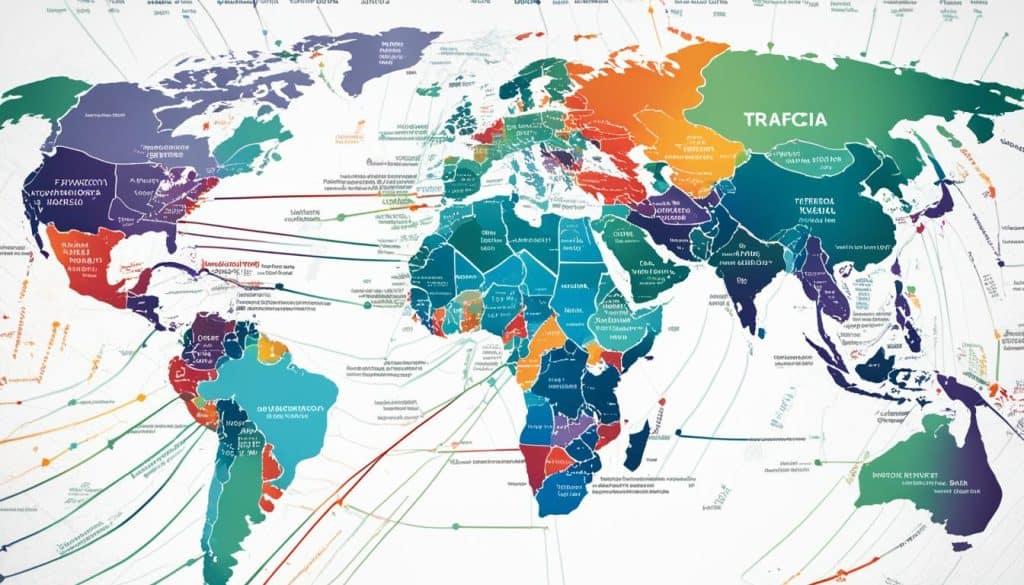
Global Impact and Regional Variations
Human trafficking’s impact is global, but it varies by region. Often, it occurs within the same region or country, not just across borders. The quest for cheap labor and goods and sex fuels the trafficking industry, making huge profits for traffickers.
Interestingly, women are the main traffickers in 30% of countries. The risk for traffickers is low due to poor government response and weak laws. This calls for better data collection, increased public awareness, and strong actions to fight trafficking.
Methods of Exploitation in Human Trafficking
Human trafficking uses many cunning ways to exploit people. Traffickers take advantage of the weak, forcing them into slavery and misery. Here, I explore the most common methods traffickers use to exploit others.
Sexual Exploitation
Sexual abuse is one of the worst types of human trafficking. Victims, especially women and children, are forced into sex work. Traffickers use fear, harm, and lies to make people obey. They trick victims with fake love, promises, or jobs, leaving them no choice but to follow.
This exploitation destroys lives, keeping victims in constant abuse and control.
Labor Exploitation
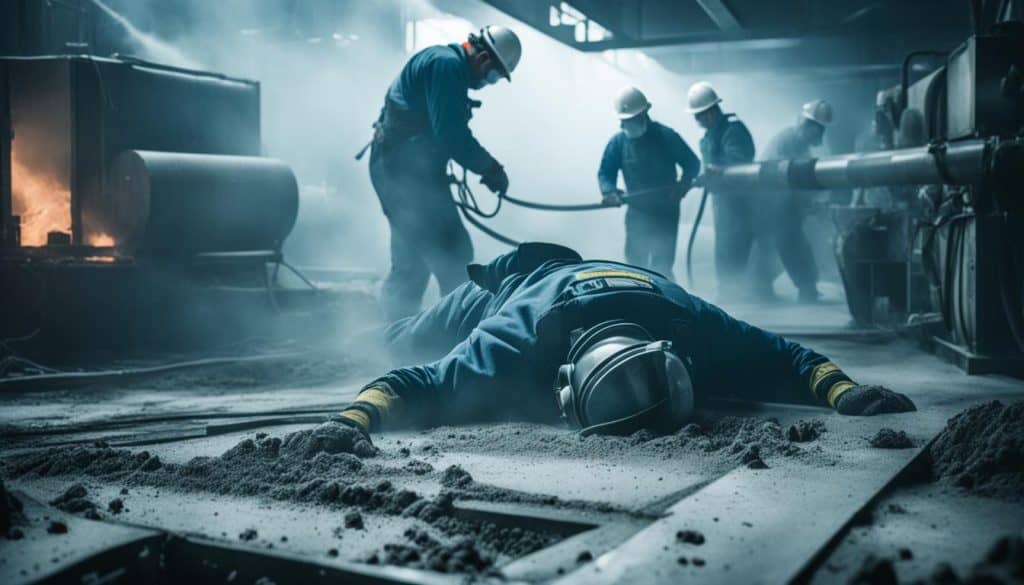
Forced labor is another major form of human trafficking. It happens in different jobs like manufacturing, farming, and building. People work in terrible conditions without fair pay, tricked into these situations.
Areas like hotels, car washes, and beauty salons often have forced labor. Traffickers lure victims with the promise of work, then trap them in awful conditions.
Cases of Forced Marriage
Forced marriage makes individuals, mainly women and girls, marry without agreeing to it. It’s used to take advantage of them for money or legal status. Victims lose their freedom, stuck in constant domination.
Traffickers use cunning methods to make victims feel they must marry unwillingly. This takes away their rights as humans.
In summary, human trafficking involves terrible exploitation through sex, labor, or forced marriage. It’s crucial to be aware, recognize the signs, and work together to stop these crimes.
Legal Action Against Human Trafficking
We’ve made great strides in the fight against human trafficking thanks to strong laws and justice efforts. Our legal system and coordinated actions have boosted our ability to stop this terrible crime.
Federal and State-Level Initiatives
The Trafficking Victims Protection Act of 2000 introduced a key strategy called the “3 P’s”: protect, prevent, prosecute. It’s been updated many times to strengthen laws and help victims more. The Justice for Victims of Trafficking Act of 2015 and the Preventing Sex Trafficking and Strengthening Families Act of 2014 aim to cut down sex trafficking, helping at-risk youth and strengthening laws.
Updates to the TVPA made it tougher on traffickers and better at helping victims. In 2003, the government started working together more through a new group, and in 2008, it made new laws against getting in the way of trafficking investigations. This means better support and justice for victims.

The government’s anti-trafficking teams give lots of money to fight trafficking, making law enforcement stronger. Working together, these agencies have put more traffickers in jail, sending a clear message.
Successful Prosecutions and Cases
New laws have led to big court wins against traffickers. These wins help stop trafficking and show the laws are working. The 2015 laws made it easier to punish traffickers, leading to tougher penalties.
Important court cases show the laws are effective. The 2015 law focused on punishing buyers of sex trafficking and started a council led by survivors. State laws, supported by the federal government, have made local fights against trafficking stronger.
By taking legal action, we’re dedicated to breaking up trafficking rings. We want to make sure traffickers are punished and victims are protected. This helps keep everyone safe.
Human Trafficking: The Hidden Atrocities
Human trafficking reaches into our neighborhoods and businesses, becoming a secret epidemic. It’s called ‘hidden atrocities’ because victims suffer terribly without many people noticing. This crime’s secrecy shows we need to raise awareness, challenge indifference, and listen to those who have been through it.
Human trafficking is a worldwide crime that preys on men, women, and children. It involves forcing or tricking people into sex work or other kinds of labor. For example, sex trafficking happens through force or by involving minors, and labor trafficking uses coercion for work or services.
Many times, those caught in human trafficking don’t see themselves as victims. This makes these crimes hard to spot. Traffickers range from lone individuals to large criminal groups. Fighting this requires efforts from ICE, HSI, and police at all levels.
ICE is crucial in fighting human trafficking by targeting those responsible across borders. HSI cuts off criminal networks, seizes their money, and helps protect victims. ERO also plays a key role by spotting victims and traffickers in detention centers.
Across the country, ICE helps teach people about the dangers of human trafficking. They work with doctors, industries, and everyday people to notice signs of trafficking. Teaming up with the DOJ, FBI, and DOL, and other countries’ law enforcement is vital.
The Blue Campaign works to make more people aware of human trafficking. It trains police and offers resources to stop traffickers. The UNODC’s 2022 report found that women and girls make up a big part of trafficking victims. Industries like agriculture, construction, and many others can be affected by these crimes.
Stories of Survivors: Overcoming the Trauma
Survivor stories are a beacon of hope, showing us the power of the human spirit. They tell tales of bravery in the face of human trafficking horrors. And they point out how vital support and care are after such trauma.
Support Systems for Survivors
Organizations like Safe Horizon’s Anti-Trafficking Program (ATP) are crucial. They provide survivors with essentials: clothes, food, and a safe place. These are the first steps on the path to rebuilding lives.
ATP also helps with counseling, which is key for healing. Take Angela, for instance. She was trapped in labor trafficking, earning barely 30 cents an hour for endless work. ATP’s support was a lifeline for her, helping her escape and heal.
Beyond the basics, ATP helps with medical care, therapy, school, and legal aid. They work with police and help survivors get T-Visas. For Angela, this meant she could work and support herself again.
Personal Accounts of Triumph
Angela’s journey shows the true strength support can give. With ATP’s help, she worked on her education and mental health. This support helped her chase her dream of writing.
Alight is another group making a difference, helping over 200 survivors in 33 states and Washington D.C. since 2017. Their work proves how crucial survivor stories are in sparking change.
These stories highlight survivors’ incredible will and the power of help from others. The joint work of NGOs, therapists, and legal teams gives survivors a new start. It empowers them to look to the future with hope.
Community Efforts and Advocacy
Ending human trafficking needs everyone to work together. This includes community groups, faith organizations, and law enforcement. Advocates and survivors lead the fight against trafficking. They bring fresh energy to the movement. Freedom Network USA (FNUSA) is key in these efforts, organizing events like the 2023 survivor-led briefing for Congress. This event helped lawmakers understand how to support survivors without unnecessary obstacles.
Preventing exploitation is a key focus. FNUSA fights for better laws to protect survivors. They work on expanding criminal record relief through legislation. In January 2023, FNUSA joined the Human Trafficking Legal Center to fight for survivors’ rights. They want survivors to seek justice without fear.
FNUSA also pushes for better prevention. This includes access to housing, healthcare, and protection from discrimination. They gave input on the Department of Health and Human Services’ trafficking prevention plans for 2023. Community advocacy isn’t just about changing laws. It also means raising awareness. Training for stakeholders and social media campaigns help spread the word. The use of hashtags like #endtrafficking and #freedomfirst brings people together against trafficking.
For help or to report trafficking, call the National Human Trafficking Hotline at 1-888-373-7888. The Department of Labor’s List of Goods Produced by Child Labor or Forced Labor is also a great resource. Our combined efforts and advocacy can create a future without human trafficking.