
Criminal Justice: Reform or Revolution?

Only a few reform proposals make it through the legislative process. This shows the big hurdles in making big changes in our political system. As I look into the American justice system and its impact, I wonder if small reforms are enough. Maybe we need a complete overhaul of the legal system.
There’s a clear difference in trying to fix racial justice issues within existing systems or tearing them down completely. At first, reforming within a democracy for urgent racial justice issues seems possible. But, the truth of politics with many parties shows compromises weaken efforts against racial injustice.
Also, money in politics lets corporations have too much power, making racial equity harder to achieve. The government doesn’t show much diversity, making it tough for those fighting for bold racial justice. With mostly wealthy, white people in power, we face a big question. Can we really get true racial justice this way, or do we need a revolution now?
Exploring the Need for Criminal Justice Reform
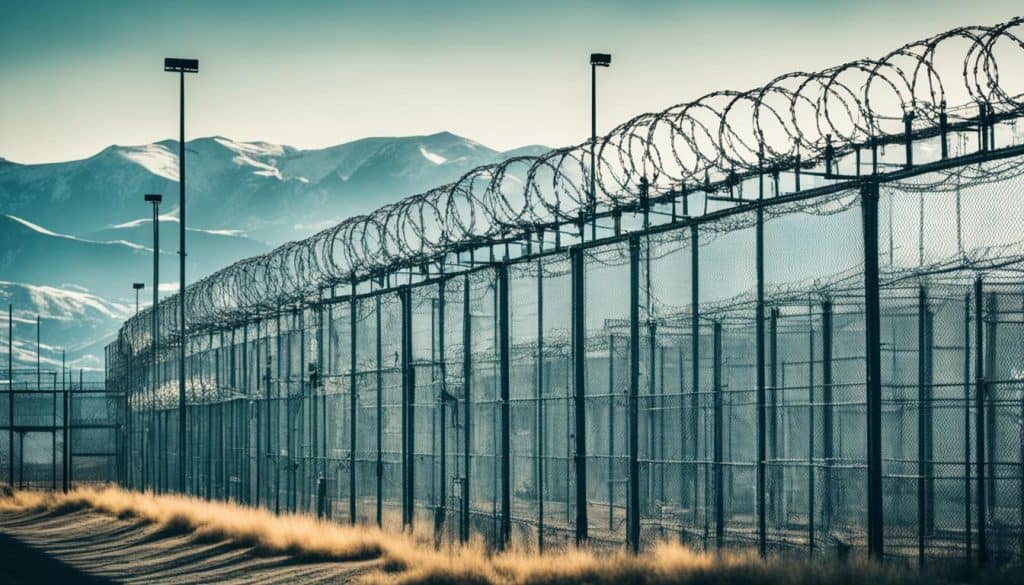
The US prison population has dramatically increased. Now, over five million people are under correctional watch with almost two million behind bars as of 2020. This situation challenges our democracy and reveals deep flaws in our penal system. Racial differences play a big part, driving the need for significant reform.
The Current State of the Penal System
Today, between 70 to 100 million Americans have a criminal record; 19 million of those are felony convictions. This shows a system that’s harsh, especially on the poor and people of color. Over 4.5 million can’t vote because of their past crimes. This reduces our democracy’s voice.
Mass imprisonment costs the US about $87 billion every year. It also makes social inequality worse. Often, money can influence justice more than actual guilt.
Benefits of Incremental Legal Change
Reform advocates believe in slow, steady legal changes. They say it fits well with democracy and how laws are made. Recent laws show progress. For example, California’s Racial Justice Act lets people seek relief if racism affected their case. Also, states like Maryland and Missouri have updated old drug laws.
Florida and Oklahoma have passed laws that offer a better deal for prisoners. These laws give hope and aim for a fair penal system. Yet, getting these laws passed often means making compromises. This can water down their impact.
Debating the Efficacy of Criminal Justice
The debate on criminal justice reform is not simple. It highlights balance between right and wrong and the outcomes. There’s a big benefit in working with the political system we have. This approach can quickly make a difference, especially in fixing racial justice issues.
Utilitarian Benefits of Working Within the System
One big reason to work inside the system is to make small but important changes. By choosing leaders who fight for racial justice, we can use political power to get better laws. A look at crime rates shows how necessary this is. From the 1960s to the 1970s, murder and robbery rates skyrocketed.
Despite the clear need for change, opinions on this topic vary. Some doubt the effectiveness and ethics of compromising within a system where it’s tough for race-conscious leaders to reach top positions. People wonder if choosing progressive leaders can actually fix the deep issues of race and economic unfairness in politics.
The effect of policies on political power is huge. For instance, the 1994 Crime Act greatly increased the number of people in prison and made the system more punishing than corrective. Strategies for reform need to deal with policy complexity and public opinions.
Views on this issue may differ, but the goal is the same. We want to see long-term reforms for racial justice and a fairer, more effective justice system. Using solid data and ongoing advocacy can change the system for the better, even within our current political limits.
The Role of Law Enforcement in a Reformed Criminal Justice Chamber
Law enforcement plays a key role in shaping our criminal justice system’s future. They balance community safety with the need for restorative justice and rehabilitation. With millions in jail or on probation in the U.S., a more balanced approach is necessary.

Conservative views play a big part in justice reform, focusing on practical solutions. Our current system, with 25% of the world’s prisoners, needs change. This change should keep us safe but also promote healing and restoration.
The Push for Rehabilitation Over Imprisonment
More people now support rehabilitation over long jail terms. Following the lead of Douglas Husak and Rachel A. Harmon, there’s a push for reforms. These include mentorship, helping inmates re-enter society, and discussions between victims and offenders.
The SAFE-T Act in Illinois, backed by the Illinois Legislative Black Caucus, aims for fairness in justice, especially for minorities. It gets rid of cash bail and requires yearly training, showing a move towards more rehabilitation and justice for all.
Conservative Perspectives on Justice Charitable online sources often stress the effectiveness and humanity of reform. The SAFE-T Act, for example, improves law enforcement and community safety. It does this without solely depending on locking people away.
In discussions about justice, the value of restoring relationships is more recognized now. Both conservative and progressive groups see that combining law enforcement with rehabilitation helps. This makes our communities safer and our justice system fairer.
Putting rehabilitation at the heart of justice is crucial. It helps bridge the divide between punishment and restoration. This way, our justice system stays fair, efficient, and good at keeping us safe.
Abolition vs. Reform: Radical Perspectives on Change
In criminal justice talks, people debate abolition and reform. They explore different ways to make changes. Some suggest small adjustments within the system. Others urge for big changes that completely redo it. Movements pushing for these big changes grew strong after protests against racism in 2020.
The Influence of Grassroots Movements
Grassroots movements point out the flaws in small reforms. They want a bold new approach to justice. Groups like Project NIA, 8toAbolition, and MPD 150 say small tweaks won’t fix deep issues. They relate their cause to the fight to end slavery. These groups want to move funds from police to community needs like healthcare and jobs.
The Argument Against Incremental Change
Some criticize slow, small changes as ineffective. They believe real solutions must tackle systemic racism and poverty. They say slight changes or quick fixes don’t solve problems long-term. For example, they argue #8CantWait’s policies won’t bring lasting change. With many prisoners living in terrible conditions, a big shift is needed. Groups like Critical Resistance aim for a world where punishment isn’t the answer.
While reformers and abolitionists might agree on some strategies, their core beliefs vary. Abolitionists envision a new justice system. One that stops oppression and focuses on real safety and fairness.


