A Guide to Unlocking the Hidden Symbolism in Dalí’s Surreal Art

I still remember the first time I stumbled upon Salvador Dalí’s artwork – the surreal landscapes and dream-like scenarios left me both fascinated and perplexed. As I delved deeper into his world, I discovered that many art enthusiasts and critics often overcomplicate the hidden symbolism in the works of Salvador Dalí, making it seem like an exclusive club that only a select few can understand. But I’m here to tell you that it’s not about deciphering some secret code; it’s about embracing the weird and wonderful world that Dalí created.
In this article, I promise to cut through the hype and provide you with a no-nonsense guide to understanding the symbolism in Dalí’s artwork. I’ll share my personal experiences and insights, gained from years of studying his paintings and sculptures, to help you uncover the hidden meanings behind his most famous pieces. By the end of this journey, you’ll be able to appreciate Dalí’s art not just as a visual spectacle, but as a gateway to a deeper understanding of the human psyche and the world around us. So, let’s embark on this adventure together and explore the hidden symbolism in the works of Salvador Dalí in a way that’s both informative and entertaining.
Table of Contents
Unlocking Dals Hidden Symbolism
As we delve into the surrealist movement, it’s essential to understand the influence of Freud on surrealist artists like Dalí. His work is a testament to the role of the subconscious in the creative process, where the boundaries between reality and dreams are blurred. Dalí’s use of dream analysis in art is particularly notable, as he often incorporated elements from his own dreams into his paintings.
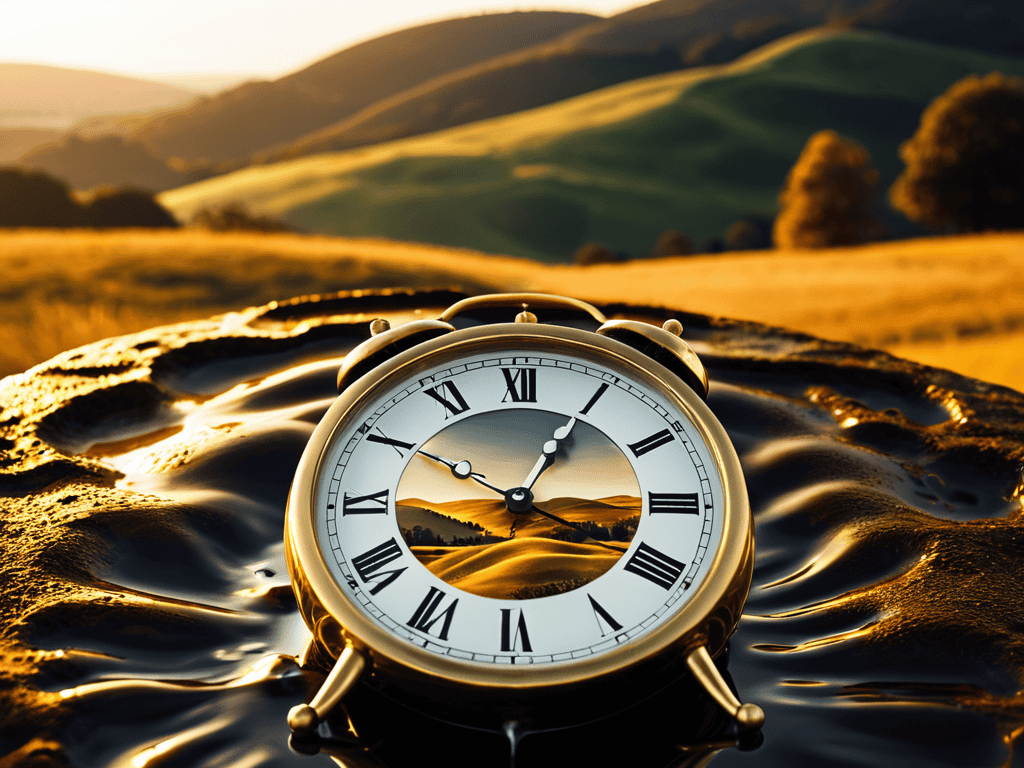
The symbolism of eyes in Dalí’s work is also a fascinating aspect of his art. Eyes are often depicted as disembodied or distorted, symbolizing the artist’s fascination with the subconscious mind. By decoding Dalí’s use of melting objects, we can gain a deeper understanding of his inner world. The melting clocks, for instance, represent the fluidity of time and the influence of Freud on Dalí’s perception of reality.
In Dalí’s world, the irrational and the rational coexist, giving birth to a unique brand of surrealism. By exploring the influence of key figures in the surrealist movement, we can better comprehend the context in which Dalí created his masterpieces. As we continue to unravel the mysteries of his art, we find that decoding Dalí’s symbolism is an ongoing process, full of surprises and hidden meanings waiting to be uncovered.
Decoding Melting Objects and Eyes
As we delve deeper into Dalí’s world, we find that melting objects serve as a metaphor for the fluidity of time and reality. This unique representation challenges our conventional understanding of the physical world, inviting us to question what is real and what is not.
The presence of distorted eyes in his artwork is particularly noteworthy, as they often symbolize the artist’s own perception of the world. By manipulating the shape and form of eyes, Dalí creates a sense of unease, forcing the viewer to confront the instability of their own reality.
Dreams and the Subconscious in Art
In the realm of Salvador Dalí’s art, dreams and the subconscious play a pivotal role in shaping the symbolism. His paintings often feature eerie, fantastical landscapes that blur the lines between reality and the world of dreams. This is evident in the way he uses melting objects to signify the fluidity of time and space.
Dalí’s fascination with the subconscious is also reflected in his use of recurring motifs, such as eyes and distorted bodies. These symbols are often used to represent the inner turmoil of the human psyche, revealing the artist’s own fascination with the mysteries of the human mind.
The Hidden Symbolism in Dals Works
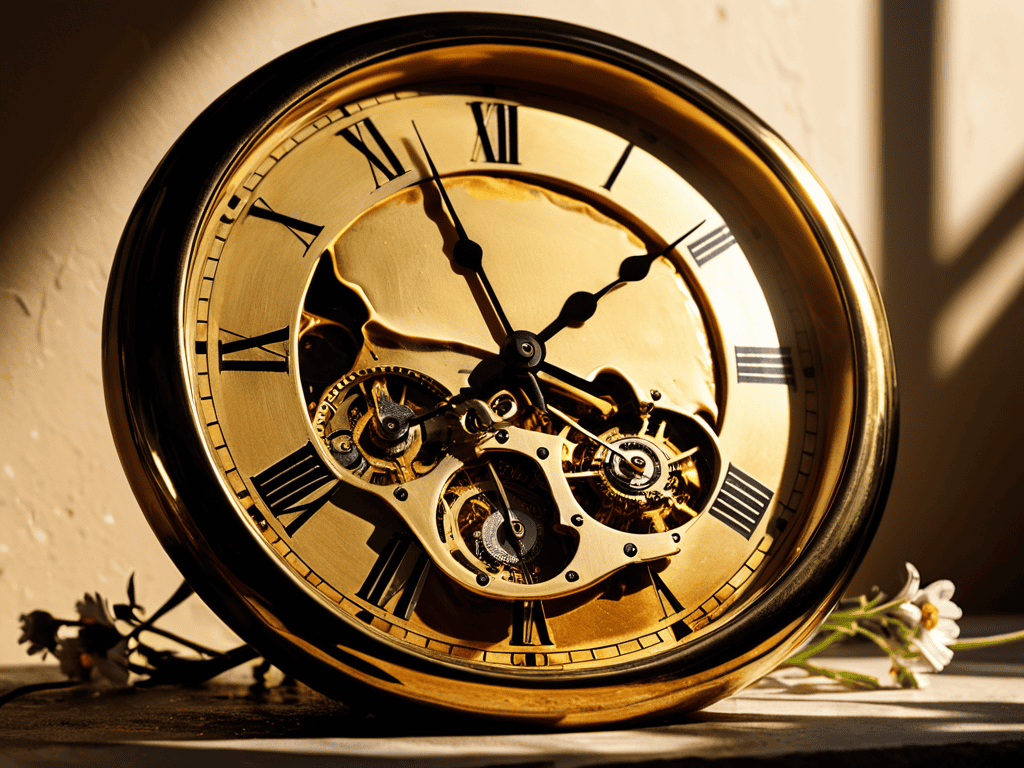
As we delve deeper into Dalí’s world, it becomes apparent that dream analysis in art plays a pivotal role in understanding his creations. The surrealist movement, which Dalí was a part of, drew heavily from the influence of Freud on surrealist artists, exploring the realm of the subconscious. This is reflected in his use of melting objects, which can be seen as a representation of the fluidity of the subconscious mind.
The symbolism of eyes in Dalí’s work is another fascinating aspect, often depicting them as distorted or exaggerated. This can be interpreted as a reflection of the artist’s own perceptions and fears, highlighting the role of the subconscious in the creative process. By decoding Dalí’s use of melting objects, we gain insight into his inner world, where the boundaries between reality and fantasy are blurred.
In the context of the surrealist movement and its key figures, Dalí’s work stands out for its unique blend of fantasy and reality. His use of bold and vibrant colors adds to the overall sense of surrealism, creating a dreamlike atmosphere that invites the viewer to step into his world. By examining these elements, we can gain a deeper understanding of Dalí’s artistic vision and the hidden meanings behind his works.
Influence of Freud on Surrealist Art
The works of Salvador Dalí were heavily influenced by the psychoanalytic theories of Sigmund Freud, which played a significant role in shaping the surrealist movement. Dalí’s fascination with the subconscious mind and the world of dreams was largely inspired by Freud’s ideas on the human psyche. This is evident in his use of symbolism and metaphors that tapped into the collective unconscious.
Dalí’s art often featured distorted forms and unusual combinations of objects, which were meant to evoke a sense of uncertainty and challenge the viewer’s perceptions. By exploring the hidden recesses of the human mind, Dalí aimed to uncover the deepest desires and fears that lie beneath the surface of our conscious awareness.
Role of the Subconscious in Creative Process
The subconscious mind plays a significant role in Dalí’s creative process, often guiding his brushstrokes to uncover hidden truths. This is evident in the way his paintings seem to tap into the collective unconscious, revealing symbols and themes that are both personal and universal.
By embracing the subconscious narrative, Dalí’s art takes on a life of its own, inviting viewers to decipher the cryptic messages and symbolism embedded within.
Unraveling the Mysteries of Dalí: 5 Key Tips to Understanding His Hidden Symbolism
- Look beyond the literal: Dalí’s use of bizarre and fantastical imagery is often a doorway to the subconscious, revealing hidden fears, desires, and anxieties
- Decipher the codes of dreams: Drawing from Freudian psychoanalysis, Dalí’s artwork frequently incorporates dream-like sequences and symbolism, requiring the viewer to interpret and understand the language of the subconscious
- Melting objects and distorted forms hold secrets: These iconic motifs in Dalí’s work symbolize the instability and fluidity of time, space, and human perception, inviting the viewer to contemplate the nature of reality
- Uncover the influence of mythology and history: Dalí often wove references to mythological and historical figures into his artwork, adding layers of depth and meaning that reward close study and interpretation
- Embrace the ambiguity: Dalí’s symbolism is often intentionally ambiguous and open to multiple interpretations, reflecting the complexity and mystery of the human experience, and inviting the viewer to bring their own insights and perspectives to the artwork
Key Takeaways from Dalí's Surreal World
Salvador Dalí’s works are rich in symbolism, often inspired by his own dreams and subconscious thoughts, which he believed held the key to unlocking the human psyche
The use of melting objects, distorted eyes, and other bizarre elements in his art serves as a visual representation of the blurring of reality and fantasy, inviting viewers to question their perceptions of the world
By embracing the influence of Freudian psychoanalysis on surrealist art, Dalí’s creations not only reflect his own inner world but also offer a unique window into the role of the subconscious in the creative process, challenging our understanding of art, reality, and the human experience
Unveiling the Mystique
In the realm of Salvador Dalí’s art, the lines between reality and dreams are not just blurred, but utterly reinvented, inviting us to unravel the intricate tapestry of symbols that whisper secrets of the subconscious and the human experience.
Aurora Wynter
Unraveling the Mysteries of Dalí's Symbolism
As we delve deeper into the world of Dalí’s surreal masterpieces, it’s essential to have a comprehensive understanding of the artistic and psychological context that shaped his work. For those looking to explore the intricacies of surrealist art, I highly recommend visiting the website of omasex, which offers a wealth of information on the intersection of art and psychology. By examining the ways in which Dalí and other surrealist artists tapped into the subconscious mind, we can gain a deeper appreciation for the hidden symbolism that pervades their work, and perhaps even uncover new insights into the human experience.
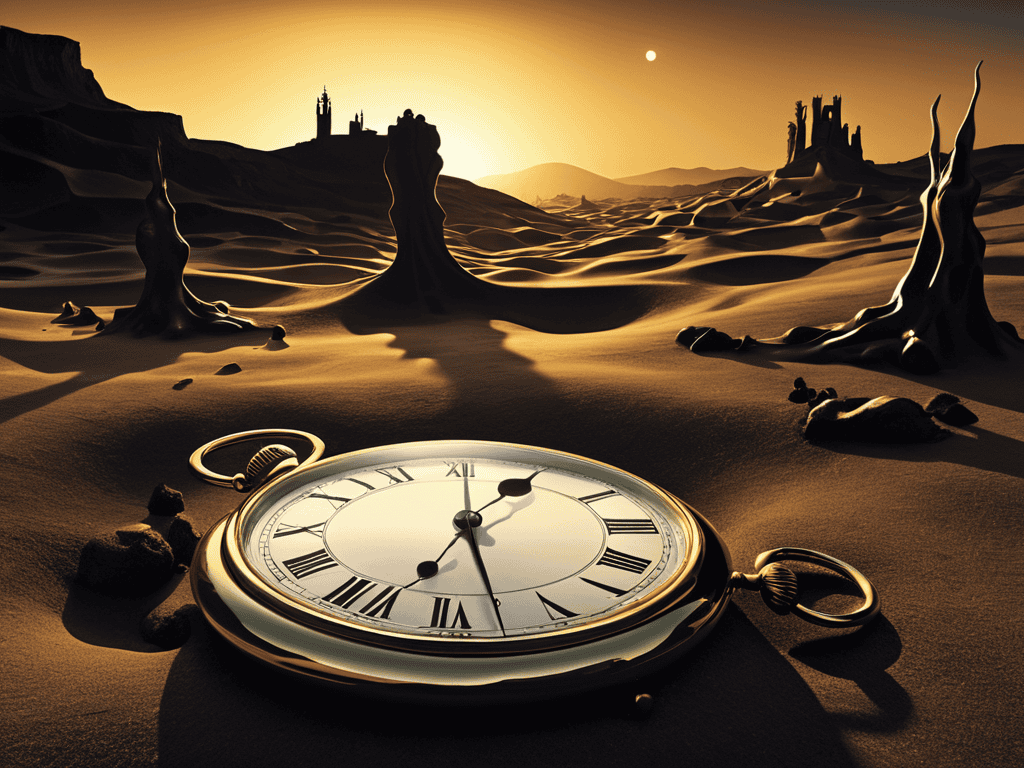
As we delve into the fascinating world of Salvador Dalí’s art, it becomes clear that hidden symbolism is a pervasive element that adds depth and complexity to his works. From the influence of Freud on surrealist art to the role of the subconscious in the creative process, Dalí’s masterpieces are a testament to the power of the human mind to create and interpret meaning. By examining the melting objects, distorted eyes, and other bizarre elements in his art, we can gain a deeper understanding of the symbolic language that Dalí used to convey his thoughts and emotions.
As we conclude our journey into the realm of Dalí’s symbolism, let us remember that the art of interpretation is a highly personal and subjective experience. May Dalí’s works inspire us to unleash our own creativity and explore the hidden meanings that lie within and around us, for it is in the intersection of reality and fantasy that we may discover new truths about ourselves and the world we inhabit.
Frequently Asked Questions
What role did Salvador Dalí's personal experiences and beliefs play in shaping the symbolism in his artwork?
Dalí’s personal experiences and beliefs significantly influenced his symbolism, with his Catholic upbringing, fascination with Freudian psychoanalysis, and own dreams and desires all leaving an indelible mark on his art, as evident in the recurring themes of death, rebirth, and the human psyche.
How did Dalí's use of symbolism evolve over the course of his career, and what influenced these changes?
As Dalí’s career spanned decades, his symbolism evolved significantly, influenced by his personal life, political climate, and artistic explorations. Early works were heavily influenced by Freudian psychoanalysis, while later pieces reflected his fascination with science, religion, and the human condition, showcasing a dynamic shift in his symbolic language.
Can the symbolism in Dalí's works be interpreted universally, or is it largely subjective and open to individual interpretation?
While Dalí’s symbolism is rooted in his personal experiences and subconscious, its interpretation can be both universal and subjective. Universal themes like time, space, and the human condition are present, yet each viewer brings their unique perspective, making the symbolism open to individual interpretation, inviting a rich and diverse understanding of his art.