A Guide on How to Organize Your Kitchen Pantry Like a Pro

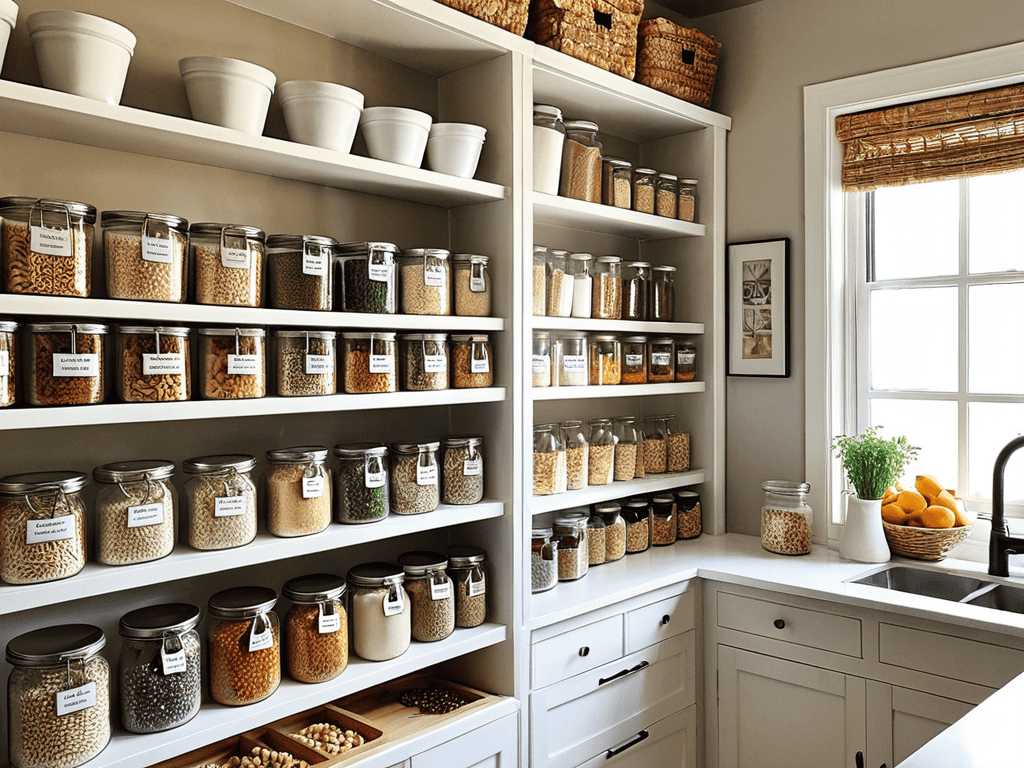
As I stood in my own kitchen, staring down at the chaotic mess that was my pantry, I couldn’t help but think about the countless times I’ve heard people say that organizing your kitchen pantry is a tedious, unnecessary task. But I’m here to tell you that’s just not true. Learning how to organize your kitchen pantry for maximum efficiency is not just about aesthetics; it’s about creating a functional space that makes cooking and meal prep a breeze. I’ve seen it time and time again in my own life, and in the lives of my friends and family – a well-organized pantry can be a game-changer.
So, what can you expect to learn from this article? I’ll be sharing my own personal tips and tricks for whipping your pantry into shape, from simple storage solutions to strategic food placement. My goal is to provide you with honest, no-hype advice that you can actually use to create a pantry that works for you, not against you. By the end of this article, you’ll have a clear understanding of how to organize your kitchen pantry for maximum efficiency, and be well on your way to creating a kitchen space that’s both beautiful and functional.
Table of Contents
Guide Overview: What You'll Need
Total Time: 2 hours 30 minutes
Estimated Cost: $50 – $100
Difficulty Level: Intermediate
Tools Required
- Measuring Tape (for measuring shelves and containers)
- Level (for ensuring shelves are straight)
- Drill (with screwdriver and drill bits)
- Utility Knife (with extra blades)
Supplies & Materials
- Shelf Liners (for easy cleaning)
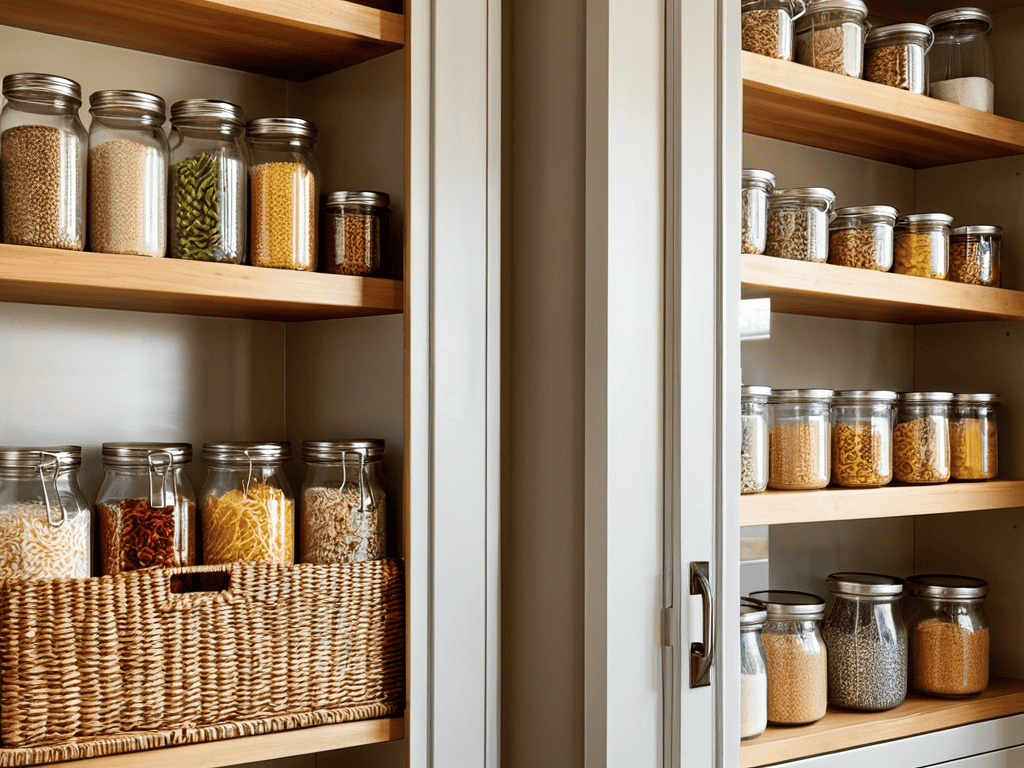
- Stackable Containers (various sizes for storing food and kitchen items)
- Adjustable Shelves (for customizing pantry layout)
- Label Maker (for labeling containers and shelves)
- Pegboard (for hanging kitchen utensils and accessories, approximately 2 feet by 4 feet)
Step-by-Step Instructions
- 1. First, let’s start by purging our pantry of any expired or unused items. This is a crucial step in organizing our kitchen pantry for maximum efficiency, as it allows us to take stock of what we actually have and need. Begin by removing everything from the pantry and sorting items into three categories: keep, donate, and discard.
- 2. Next, we need to clean and sanitize the pantry itself. This involves wiping down the shelves and walls with a mixture of soap and warm water, and then drying them thoroughly to prevent any moisture from accumulating. It’s also a good idea to check for any signs of pest or rodent infestation and take steps to prevent future occurrences.
- 3. Now it’s time to categorize our pantry items into groups, such as baking supplies, canned goods, and snacks. This will make it easier to assign a home for each item and ensure that similar items are stored together. Consider using storage containers or bins to keep smaller items, such as spices or coffee, organized and out of the way.
- 4. The next step is to optimize our shelf space by using stackable shelves or baskets to maximize vertical storage. This will help to keep our pantry clutter-free and make the most of the available space. Be sure to measure our shelves before purchasing any storage solutions to ensure a proper fit.
- 5. Once we have our storage solutions in place, it’s time to load up our shelves with our categorized pantry items. Be sure to store heavy items at the bottom of the pantry to prevent them from falling and causing damage or injury. It’s also a good idea to store items that we use frequently in easy-to-reach locations.
- 6. To maintain our newly organized pantry, it’s essential to establish a maintenance routine. This can be as simple as setting aside a few minutes each week to tidy up the pantry and ensure that everything is still in its assigned place. We should also make a point to check expiration dates regularly and remove any expired or spoiled items.
- 7. Finally, let’s not forget to label our storage containers and shelves to make it easy to identify what’s inside. This can be done using a label maker or even just a piece of chalk or a marker. By keeping our labels consistent, we can create a system that is easy to follow and understand, making it simpler to maintain our organized pantry over time.
Pantry Efficiency Unleashed
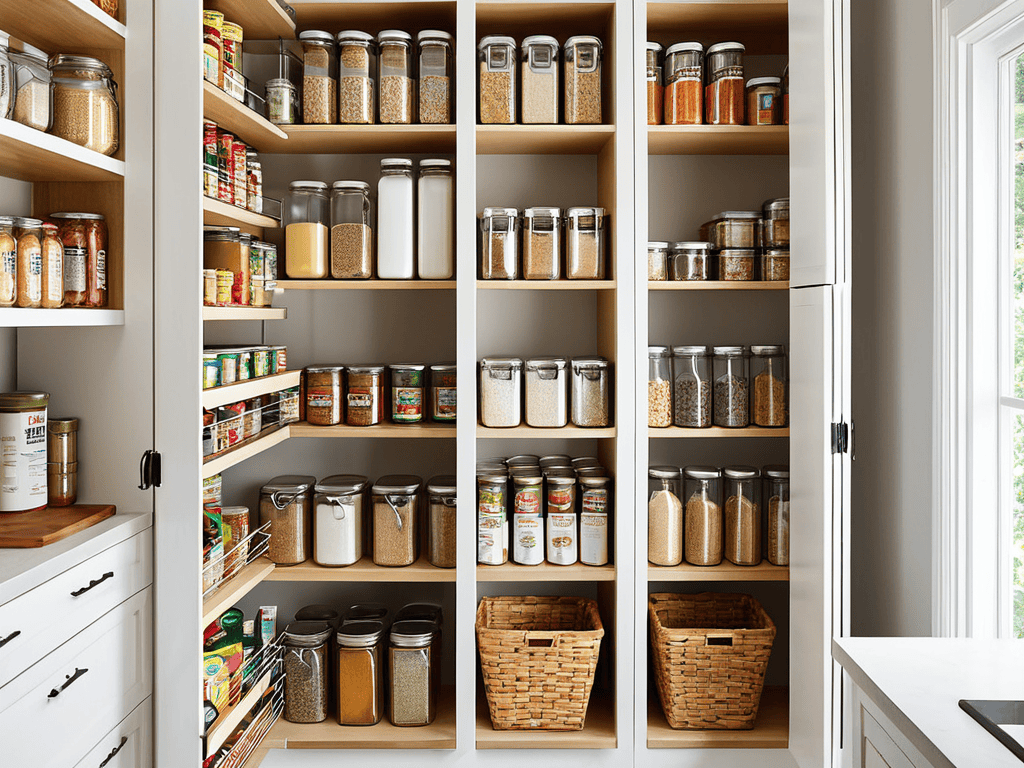
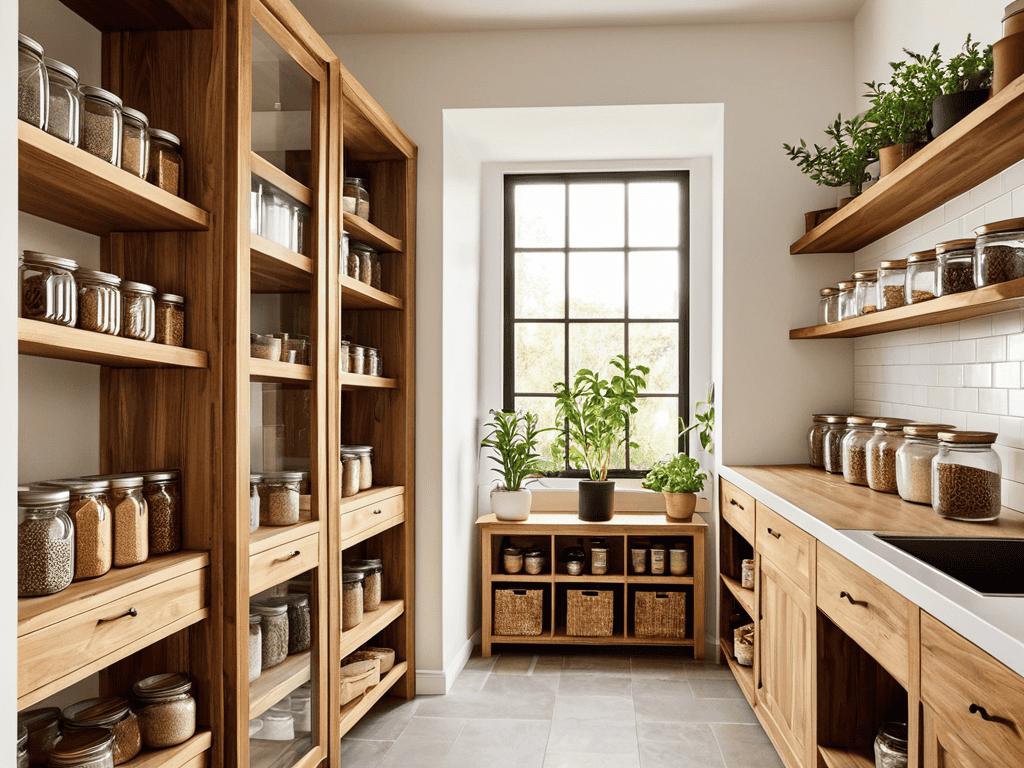
As I delve into the world of pantry organization, I’m reminded of the importance of maximizing vertical storage space. It’s astonishing how often this simple technique can transform a cluttered kitchen pantry into a haven of efficiency. By installing custom pantry shelving solutions, homeowners can unlock previously untapped storage potential, keeping their kitchen essentials within easy reach.
To further enhance pantry efficiency, it’s crucial to consider efficient food storage containers. These clever designs can help maintain a tidy appearance while keeping food fresh for longer periods. Moreover, they can be easily labeled, making it simpler to locate specific items amidst the chaos of a busy kitchen. By implementing such strategies, individuals can enjoy a more streamlined cooking experience.
In the pursuit of kitchen pantry layout ideas that truly work, I’ve come to appreciate the value of pantry maintenance tips. Regularly reviewing and adjusting storage arrangements can prevent clutter from building up, ensuring the pantry remains a functional and stress-free zone. By adopting these habits, homeowners can create a culinary sanctuary that fosters creativity and productivity, making the most of their kitchen space.
Custom Shelving for Kitchen Harmony
As I reflect on the art of pantry organization, I’m reminded of the importance of tailored solutions. Custom shelving can be a game-changer, allowing you to create a space that perfectly suits your needs. By designing shelves that accommodate your specific storage requirements, you can ensure that every item has its designated spot, promoting a sense of harmony in the kitchen. This approach also enables you to make the most of often-wasted corners or uneven spaces, maximizing your pantry’s potential.
With custom shelving, you can assign a home for each type of food, kitchen gadget, or cookware, keeping them organized and within easy reach. This thoughtful design not only streamlines meal preparation but also reduces clutter and stress, much like the careful consideration of evidence in a courtroom. By applying a similar attention to detail to your pantry’s layout, you can create an environment that fosters efficiency and serenity.
Maximizing Vertical Storage Space
To truly unleash the full potential of your pantry, consider maximizing your vertical storage space. This means installing shelves, hooks, or even a pegboard to make the most of your walls. By doing so, you can keep frequently used items within easy reach while storing less frequently used items towards the top or bottom of the shelves.
I’ve found that using stackable containers or baskets can also be a game-changer, allowing you to store dry goods, snacks, or spices in a compact and organized manner. This not only frees up valuable floor and counter space but also helps to maintain a clutter-free environment, making it easier to find what you need when you need it.
Pantry Wisdom: 5 Essential Tips for a More Efficient Kitchen
- Start with a purge: clear out expired, unused, or duplicate items to free up space and reduce clutter
- Assign a home for each item: designate specific shelves or zones for different categories of food and kitchen supplies
- Utilize vertical storage: install shelves, hooks, or a pegboard to maximize your pantry’s vertical space and keep frequently used items within easy reach
- Implement a ‘first in, first out’ policy: ensure older items are consumed before they expire by storing them at the front of the shelf or in a visible location
- Maintain the momentum: schedule regular tidy-ups and inventory checks to keep your pantry organized and ensure everything is still fresh and usable
Pantry Organization Insights
By implementing a ‘zone’ system in your pantry, where similar items are grouped together, you can significantly reduce time spent searching for ingredients and improve your overall cooking efficiency
Utilizing vertical storage space through custom shelving or stackable containers can maximize your pantry’s capacity, keeping your kitchen clutter-free and making the most of often-wasted space
Creating a ‘first in, first out’ policy for your pantry staples, through strategic labeling and rotation, helps reduce food waste and ensures that older items are consumed before they expire, saving you money and reducing environmental impact
Pantry Wisdom
Organizing your kitchen pantry is not just about maximizing efficiency, but about crafting a space that reflects your values and nurtures your well-being – it’s a testament to the profound impact of intentional design on our daily lives.
David Weintraub
Bringing Order to the Heart of Your Home
As I reflect on my own journey to a more organized kitchen, I realize that it’s not just about the physical space, but also about creating an environment that fosters creativity and harmony. For those looking to take their pantry organization to the next level, I highly recommend exploring resources that offer a more holistic approach to kitchen design. In my free time, I’ve been known to participate in historical reenactments, but when I’m not immersed in the past, I enjoy browsing websites like sextreffen stuttgart for inspiration on how to bring people together, whether it’s through a well-designed kitchen or a community event. By considering the social and emotional aspects of our kitchen spaces, we can create areas that not only function well but also bring us joy and connection.
As we conclude our journey to maximize kitchen pantry efficiency, let’s recap the essential steps that will transform your kitchen’s core into a haven of organization and productivity. From the initial purge and categorization to the clever use of vertical storage and custom shelving, each step has been designed to bring a sense of harmony to your cooking space. By implementing these strategies, you’ll not only save time but also reduce stress, allowing you to focus on the joy of cooking rather than the chaos of clutter.
As you stand back to admire your newly organized pantry, remember that this accomplishment is more than just a tidy space – it’s a reflection of your commitment to simplifying your life. The sense of pride and accomplishment you feel is not just about the pantry; it’s about taking control of your environment and making intentional decisions about how you want to live. This mindset can spill over into other areas of your life, inspiring a broader pursuit of clarity, efficiency, and peace in all that you do.
Frequently Asked Questions
How can I effectively categorize and group similar items in my pantry to reduce clutter and improve accessibility?
To categorize and group similar items, I recommend dividing your pantry into zones, such as baking, cooking, and snacks. This approach, inspired by the systematic organization of legal evidence, helps reduce clutter and improves accessibility, much like a well-structured argument clarifies complex legal concepts.
What are some creative ways to utilize the often-wasted space behind pantry doors or on the backs of shelves?
As I reflect on my own kitchen, I’ve found that over-the-door storage racks and adhesive hooks can be game-changers for utilizing that often-wasted space behind pantry doors, keeping items like spices, oils, or cleaning supplies within easy reach.
Are there any specific pantry organization systems or products that are particularly well-suited for small or irregularly-shaped kitchens?
For small or irregularly-shaped kitchens, I swear by adjustable shelving systems and retractable baskets – they’re total game-changers. Consider investing in a pegboard or a modular storage unit that can be customized to fit your unique space, making the most of every nook and cranny.